
Acadia’s Eagle Lake Loop: A Class 1 E-Bike Ride
Eagle Lake in Acadia National Park is a six-mile gravel loop for Class 1 e-bikes when the carriage roads are open. Start at the carriage-road parking area on Maine Route 233, head south under the stone bridge and follow the road around the lake. Class 2 and 3 e-bikes are not allowed on this loop.
By SickEBike desk

The short answer
Eagle Lake in Acadia National Park is a six-mile gravel loop for Class 1 e-bikes when the carriage roads are open. Start at the carriage-road parking area on Maine Route 233, head south under the stone bridge and follow the road around the lake. Class 2 and 3 e-bikes are not allowed on this loop.
Eagle Lake in Acadia National Park is a six-mile gravel loop for Class 1 e-bikes when the carriage roads are open. Start at the carriage-road parking area on Maine Route 233, head south under the stone bridge and follow the road around the lake. Class 2 and 3 e-bikes are not allowed on this loop.
The appeal is a lake loop separate from the park’s regular motor roads, not a full day of mileage. This is a planning guide based on National Park Service information, not a firsthand ride report. Access rules checked November 21, 2026. See the original National Park Service trailhead photograph.
Which e-bikes can ride Acadia’s Eagle Lake loop?
Acadia National Park allows Class 1 e-bikes on its carriage roads, including the Eagle Lake loop when open. These bikes provide motor help only while you pedal and stop assisting at 20 mph. Class 2 and 3 e-bikes are not permitted on the loop, even if you plan to ride slowly.
The superintendent’s compendium distinguishes the carriage-road network from park motor roads, which have a separate set of e-bike rules. The thing to verify before loading the car is the bike’s class, not whether you promise to leave the throttle alone. See our three-class e-bike primer if the label is unfamiliar.
Where does the Eagle Lake e-bike loop start?
Start at the Eagle Lake carriage-road parking area off Maine Route 233 on Mount Desert Island. Take the carriage road south under the stone bridge to loop around the lake. The National Park Service lists the loop at six miles and notes a steep hill at the southwest end.
The National Park Service route description distinguishes the Eagle Lake loop from the northbound route toward Witch Hole Pond. Save the carriage-road map before you leave and use the numbered wooden signs at junctions. The crushed-rock surface and southwest hill make this different from a flat paved rail-trail. Start in a modest assist mode so you have assistance in reserve for the climb.
What should you check before riding Eagle Lake?
Check Acadia’s current conditions and posted signs before leaving for the trailhead. The park closes the carriage roads to bikes during seasonal thaw, and temporary closures can change the ride. Bring a park entrance pass and arrange your own e-bike transport. Acadia’s seasonal Bicycle Express does not carry e-bikes.
Use the park’s current conditions page and check signs on arrival. If the carriage road is closed to biking, a nearby hiking path is not an e-bike detour. The park’s bicycling page explains the shuttle limits and indicates where traditional bikes and Class 1 e-bikes may ride. Carry water and layers; don’t plan the loop around a place to recharge.
How should you ride on the shared carriage road?
Cyclists yield to other users on Acadia’s carriage roads, and everyone yields to horses. The speed limit is 20 mph, not a target. Slow down before passing, give a clear warning and stay right. If there isn’t space to pass safely, wait rather than squeezing past walkers or horses.
Check speed before a blind bend or a descent. Loose gravel can make it harder to stop abruptly, and the path is shared. Pull off to the side when pausing for a look at the lake so the travel lane stays open. For the full etiquette rules, use the park’s carriage-road guide.
Questions people ask
Which e-bikes can ride Acadia’s Eagle Lake loop?+
Acadia National Park allows Class 1 e-bikes on its carriage roads, including the Eagle Lake loop when open. These bikes provide motor help only while you pedal and stop assisting at 20 mph. Class 2 and 3 e-bikes are not permitted on the loop, even if you plan to ride slowly.
Where does the Eagle Lake e-bike loop start?+
Start at the Eagle Lake carriage-road parking area off Maine Route 233 on Mount Desert Island. Take the carriage road south under the stone bridge to loop around the lake. The National Park Service lists the loop at six miles and notes a steep hill at the southwest end.
What should you check before riding Eagle Lake?+
Check Acadia’s current conditions and posted signs before leaving for the trailhead. The park closes the carriage roads to bikes during seasonal thaw, and temporary closures can change the ride. Bring a park entrance pass and arrange your own e-bike transport. Acadia’s seasonal Bicycle Express does not carry e-bikes.
How should you ride on the shared carriage road?+
Cyclists yield to other users on Acadia’s carriage roads, and everyone yields to horses. The speed limit is 20 mph, not a target. Slow down before passing, give a clear warning and stay right. If there isn’t space to pass safely, wait rather than squeezing past walkers or horses.
Keep riding

What Is a Class 1, 2, and 3 E-Bike?
Class 1 is pedal-assist to 20. Class 2 adds a throttle to 20. Class 3 is pedal-assist to 28. A Tuttio is none of these. The sticker is not the trail.
SEP 23, 2026

Juneau Bars E-Motos From City Trails Starting Dec. 16
Juneau’s new ordinance takes effect December 16, 2026. It bars e-motorcycles from city bike paths, shared-use paths, sidewalks and trails, including Eaglecrest ski and Nordic trails, unless designated for their use. E-bikes and e-trikes that meet the bicycle definition are not barred by this change, but individual trail restrictions still apply.
NOV 22, 2026
 Guides
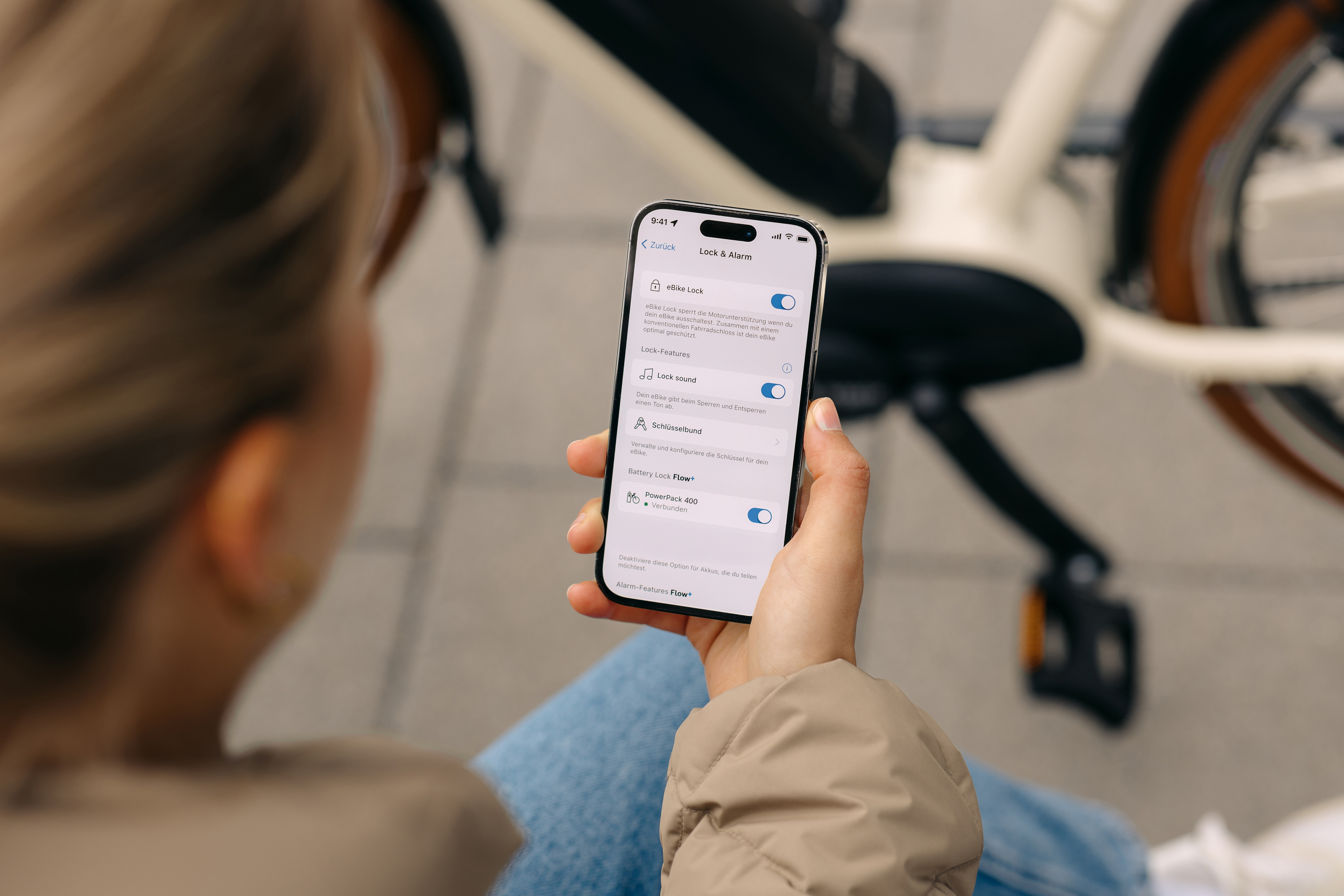
Bosch Battery Lock vs. eBike Lock: What Changes?
Bosch eBike Lock disables motor assistance on a compatible smart-system bike. Battery Lock is separate: with paid Flow+, it digitally restricts use of the battery in another e-bike. Neither stops someone from carrying off the bike or the battery, so keep using a suitable physical lock.
NOV 22, 2026