
What Is a Class 1, 2, and 3 E-Bike?
Class 1 is pedal-assist to 20. Class 2 adds a throttle to 20. Class 3 is pedal-assist to 28. A Tuttio is none of these. The sticker is not the trail.
By SickEBike desk
The short answer
A Class 1 e-bike is pedal-assist only to 20 mph with no throttle. A Class 2 e-bike adds a throttle, still 20 mph. A Class 3 e-bike is pedal-assist to 28 mph (25 in New York), usually with a speedometer. All three assume pedals and a motor of 750W or less. A Sur-Ron or Tuttio is not a class. The path sign can still be 15.
A Class 1 e-bike is pedal-assist only, motor cuts at 20 mph, no throttle. A Class 2 e-bike adds a throttle, still 20 mph. A Class 3 e-bike is pedal-assist to 28 mph (25 in New York), usually with a speedometer and no throttle. PeopleForBikes wrote that three-class model so states could treat low-speed electric bicycles like bicycles instead of mopeds. All three, in the usual U.S. definition, also assume fully operable pedals and a motor of 750 W or less. That is the hangtag. Speed limits on the path are a different number. Federal product law is a third. A Light Bee is not in this article.
PeopleForBikes-style three-class baseline used by most states in 2026. Ride Brief (11 Sep 2026), eBikeLocal (Aug 2026). New York Class 3 is 25 mph. Oregon allows 1,000 W. New Jersey no longer uses these labels.
| Class 1 | Class 2 | Class 3 | |
|---|---|---|---|
| Motor helps | Only while you pedal | Pedal and/or throttle | Only while you pedal |
| Assist cutoff | 20 mph | 20 mph | 28 mph (NY: 25) |
| Throttle | No | Yes, to 20 mph | No (model law) |
| Speedometer | Not required | Not required | Required in model law |
| Typical access | Widest: lanes, many paths | Roads; some paths ban throttle | Roads and bike lanes; many paths no |
| Typical extra rules | Fewest | Throttle is the fight | 16+, helmet, path bans |
| 2026 examples on this desk | Levo 4, Bosch CX trekking | Level 4 REC, Aventure 3, XP4 as shipped | Level 4 unlocked, Vado, Current |
What is a Class 1 e-bike?
A Class 1 e-bike is the closest thing in the three-class system to a normal bicycle with a tailwind. You have to pedal. There is no twist or thumb throttle. The motor adds power only while the cranks turn, and it must stop adding power at 20 mph. You can still pedal or coast faster — that is speed limits, not a new class. Ride Brief’s 11 September 2026 class note: Class 1 is the first-timer’s path bike because acceleration is tied to pedaling, which other trail users can read.
That is why land managers like it. PeopleForBikes’ model policy generally allows Class 1 wherever bicycles go, unless a local agency posts otherwise. It is the default on many U.S. Forest Service and city greenway signs that say ‘Class 1 only.’ A Bosch Performance Line CX on a Turbo Levo 4 is a Class 1 mountain bike: mid-drive, no throttle, assist that fades at 20. Trek, Gazelle, and Specialized city bikes with Bosch or Specialized motors ship Class 1 when they have no throttle. Walk-assist or a 3.7 mph start bump (California’s 2025–26 carve-out) is not a Class 2 throttle.
Who it is for: trails, multi-use paths, anyone who will share a 10-foot ribbon of asphalt with strollers. Who it is not for: the rider who wants to leave a light without spinning the cranks. If your commute is stop-and-go and your knees are the reason you bought electric, Class 1 still works — you just have to pedal through the intersection. Hub vs mid-drive is a separate choice. Most Class 1 mountain and trekking bikes are mid-drives. Most cheap Amazon ‘Class 1’ listings are hubs with the throttle unplugged in software. Ask whether the throttle hardware is even on the bar. A throttle you never use can still be a Class 2 in a ranger’s eyes. If the shop cannot show a Class 1 label and a missing throttle, it is not Class 1. Walk away.
What is a Class 2 e-bike?
A Class 2 e-bike is Class 1 plus a throttle, with the same 20 mph motor cutoff. The motor may propel the bike without pedaling. Pedal-assist still works. Both die at 20 mph. That throttle is the entire legal difference, and it is the feature path managers fight. Surface 604’s 2026 class guide: Class 2 is convenient on city streets; the throttle is exactly what many multi-use paths restrict.
This is the U.S. mass-market bike. Aventon Level 4 REC, Aventure 3, Lectric XP4, RadRover 6 — they ship as Class 2: thumb throttle, cadence or torque assist, 20 mph on the box. BikeRide’s Level 3 review (the previous generation, still the same class logic): ships Class 2; pedal-assist adjustable 12–28 mph; throttle 12–20; throttle removable for Class 1; firmware up for Class 3. Aventon, Lectric, and Ride1Up all sell that menu. The hangtag the bike wore out of the box is Class 2. The class you are riding is whatever the display is set to today, in a state that allows that class, on a path that allows that class.
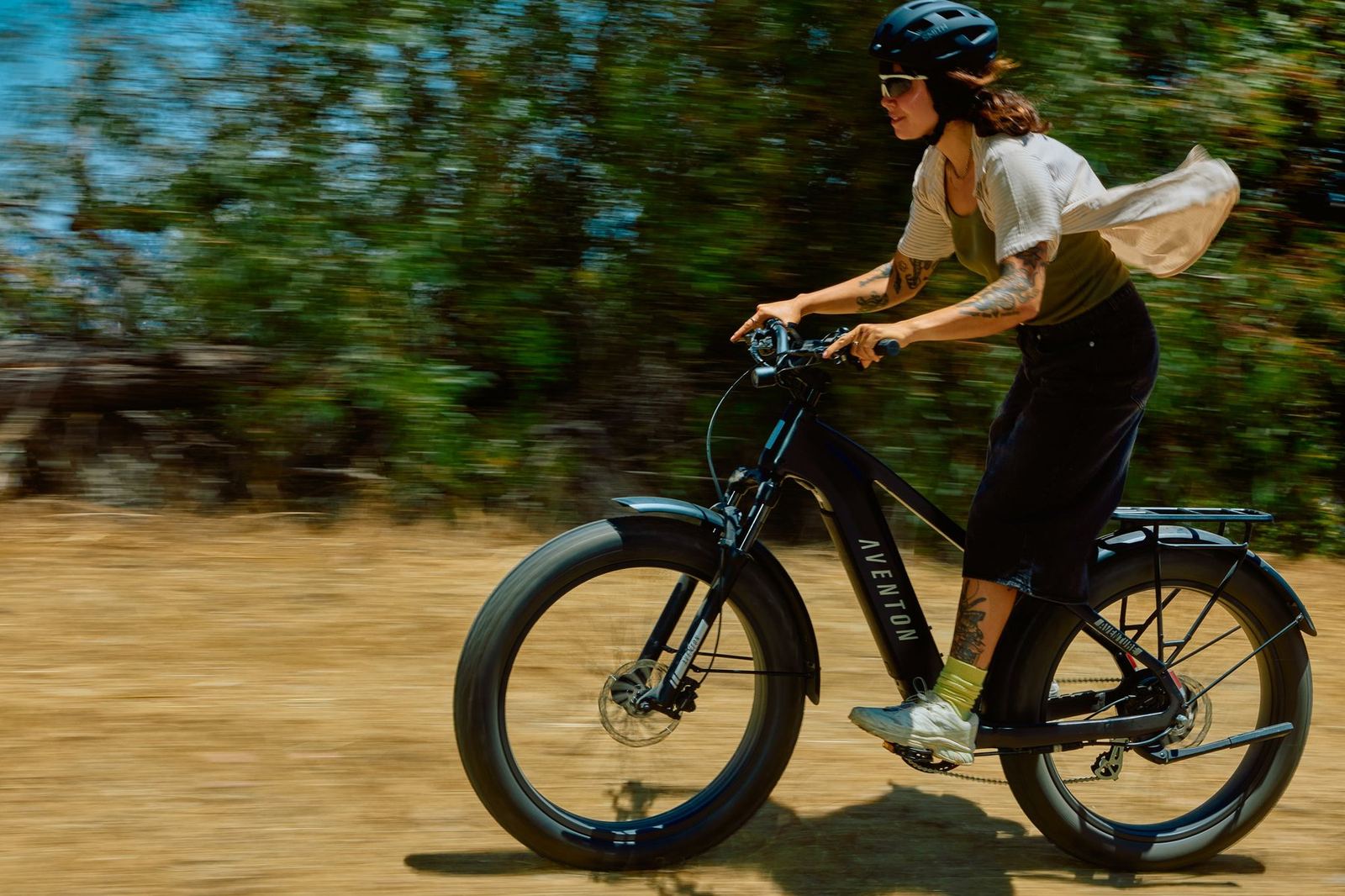
Who it is for: stop-and-go commuting, cargo that you do not want to launch from a dead stop in a crosswalk, riders who need the motor while they clip in. Who it is not for: a ‘Class 1 only’ trailhead, and not for California Class 1/3 bikes that cannot legally wear a throttle after SB 1271 (throttles belong on Class 2). Florida still allows Class 2 on the Pinellas Trail as a bicycle — at the posted 20 mph, not at whatever the throttle will do downhill. Tampa Riverwalk is 15. The class does not outrun the sign.
What is a Class 3 e-bike?
A Class 3 e-bike is pedal-assist only, like Class 1, but the motor may keep helping until 28 mph. Model legislation (PeopleForBikes; Virginia and Maryland statutes copy it) wants a speedometer. It does not want a throttle. Brands cheat the marketing: throttle to 20, pedal-assist to 28, sold as ‘Class 3 capable.’ Ride Brief still lists Class 3 as pedal-assist only. Electric Bike Report’s beginner series says the quiet part: a throttle that pulls to 28 mph on motor alone has already left the federal low-speed electric bicycle test (motor-only under 20).
New York is the speed exception: Class 3 is 25 mph, not 28, and only operable in cities of a million-plus — in practice NYC — where the city then caps every e-bike at 15 mph on the street (speed limits). California Class 3: 16+, helmet every rider, off most Class I multi-use paths unless a local ordinance lets it on, no throttle (SB 1271), no speed-mod dongle (AB 1774). RiderGuide’s July 2026 Class 3 tracker is a pile of 28 mph assist bikes: Level 4, Pace 5, Lectric XPeak2, Current, Vado-class. If a listing hits 28 on the throttle with no pedaling, it does not belong in that table.
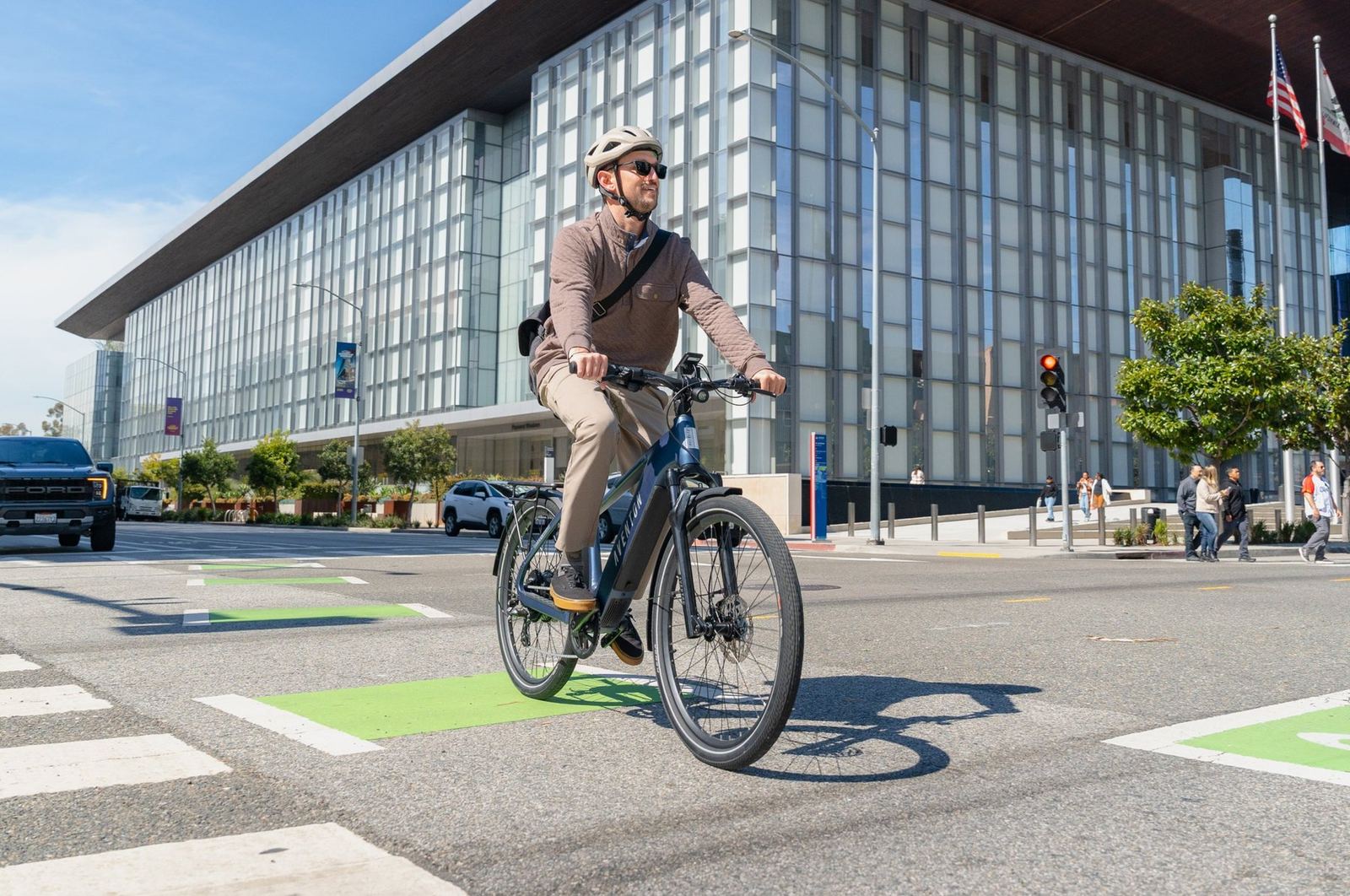
Who it is for: a 30–35 mph suburban arterial, keeping up with cars in a painted lane, longer road commutes where 20 mph feels like you are the rolling chicane. Who it is not for: the Pinellas weekend, a California Class I path, a 16-year-old in a state with a Class 3 age floor. Helmet laws bite here first. Class 3 is also the class that eats watt-hours — 28 mph is not 20 with extra attitude; aero drag is a cube. EBR’s Level 4 Turbo loops are the published proof.
Federal law is not a class
Congress never wrote Class 1, 2, or 3. 15 U.S.C. § 2085 is a Consumer Product Safety definition: two or three wheels, fully operable pedals, motor under 750 W, motor-only speed 20 mph or less on the level. That decides whether the factory sold a bicycle-like product. It does not open the Pinellas Trail. States copied PeopleForBikes’ three-class bill for where you may ride. eBikeLocal (August 2026): most states use 20/20/28; eight jurisdictions still do not use the labels (Alaska, Kentucky, Montana, North Carolina, Pennsylvania, South Carolina, D.C.; Massachusetts has no Class 3). New Jersey dropped the labels in 2026 for MVC registration and a license. The class-law ‘what riders get wrong’ piece is the federal-vs-sign argument. This page is what the three words mean.
PeopleForBikes is explicit about what does not go in the class system: devices that are not bicycle-like, that exceed the assisted-speed caps, or that exceed the power caps. Tuttio Soleil01, Heybike Villain, Sur-Ron Light Bee X, Talaria MX4 fail on pedals-as-bicycle, watts, and speed. Calling a 3 kW mini a ‘Class 3’ because it has pegs and a battery is how Pinellas deputies get a motor-vehicle case. The trail checklist (Dunedin / PCSO, March 2026): 28 mph max, 750 W, working pedals, no illegal mods. Miss one and you are not an e-bike on that path.
How to tell which class you have — and which to buy
Read the sticker: class, watts, top assisted speed. Look at the bar: a throttle is Class 2 unless you removed it and the firmware agrees. Check the display: 28 mph assist in a state that allows Class 3 is a Class 3 ride even if the box said Class 2. California AB 1774 bans kits and software meant to override those limits — do that at your own risk, with a tech, or not at all. GPS the bike once; wheel-size in the computer lies. The how to buy rule is still: match the slowest place you actually ride.
Buy Class 1 if the path is the point — Levo, Bosch trekking, any throttle-less mid-drive. Buy Class 2 if the city is stop-and-go and you want a throttle you will actually use under 20 — Level 4, Aventure 3, XP4. Buy Class 3 only if the road is the commute, you are old enough, you will wear the helmet, and you will not take it on a 15 mph Riverwalk at 28. A firmware toggle is not a personality. It is a class change. Ride the one that matches the sign in front of you. If you only remember one line: Class 1 is pedals to 20, Class 2 is a throttle to 20, Class 3 is pedals to 28. Everything else — NYC 15, Pinellas 20, a 10 kW dirt bike — is a different article.
Questions people ask
What is a Class 1 e-bike?+
Pedal-assist only, no throttle, motor stops helping at 20 mph. Widest path and trail access. A Specialized Levo or a Bosch trekking bike is typical Class 1.
What is a Class 2 e-bike?+
Throttle and/or pedal-assist, motor stops at 20 mph. This is how most U.S. commuters ship (Aventon Level 4, Aventure 3, Lectric XP4). Some paths ban the throttle.
What is a Class 3 e-bike?+
Pedal-assist to 28 mph (25 in New York), speedometer in model law, generally no throttle. Often 16+, helmet, and banned from multi-use paths.
Is a Tuttio or Sur-Ron a Class 3?+
No. Class 3 is still a bicycle-class device: pedals, under 750W, assist to 28. Mini and trail e-motos fail those tests. PeopleForBikes says they do not belong in the class system.
Can I change class in the app?+
Many Aventon and Lectric bikes ship Class 2 and unlock Class 3 or drop to Class 1. That is only legal where that class is legal. California AB 1774 bans speed-override devices. The path sign still wins.
Should I do these mods or repairs myself?+
Do this at your own risk. Work with a qualified ebike or e-moto technician for wiring, batteries, brakes, and controller maps. SickEBike is an informational desk, not a shop. A wrong amp limit, a mismatched charger, or a bad bleed can start a fire or a crash.
Keep riding
 Guides
E-Bike Speed Limits
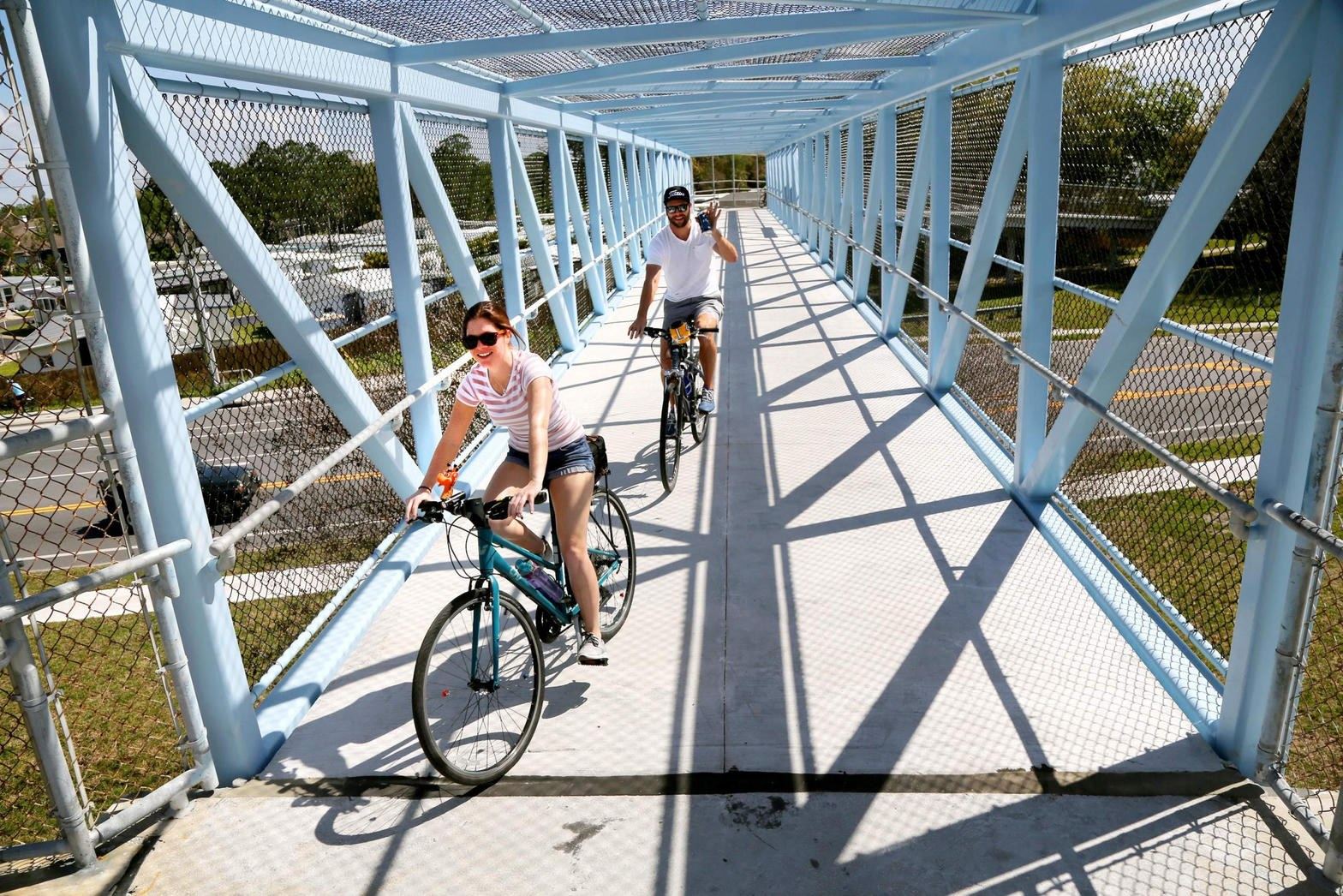
The motor cuts at 20 or 28. The path sign is often 15. NYC is 15 on the street. Pedaling faster is still a bicycle. Unlocking the app is not.
SEP 13, 2026 · 13 min
 Guides
Class 1, 2, and 3: The U.S. Ebike Laws Riders Still Get Wrong
Federal product law is not the same as the trailhead sign.
AUG 22, 2026 · 9 min
 News
NewsU.S. Ebike Laws in 2026: One Federal Ceiling, Fifty State Rulebooks
Class 1–3 is the baseline. New Jersey just left it. NYC caps you at 15. California wants a helmet and a UL sticker.
SEP 9, 2026 · 11 min