

Riding the Coast: Highway 1, Wind, and Tunnels
The Pacific Coast is a real route. The headwind does not care about 750 watts.
By Jordan Hale
The short answer
The Pacific Coast is a real bicycle route with real tunnels, frost-heave shoulders, and a headwind that does not care about 750 watts. An equipped commuter or touring ebike with lights and a backup charge plan belongs here. An unlocked Class 3 or an e-moto does not make the trucks smaller.
California’s Highway 1 / Pacific Coast Highway and the Oregon Coast Bike Route are established touring corridors, not a product launch. Expect narrow pavement, rental convertibles, tunnels that legally require a light, and an afternoon onshore wind that will still exist at 750 watts.
Practical setup that matches how people actually tour this coast: 40–50 mm tires (or wider if you leave the fog line), a front light for tunnels, Eco or Tour on the rollers so the pack survives the wind, and lodging that lets you bring a removable battery indoors. Many California segments are Class 1/2/3 legal on the road; some state beaches and local paths are not. Oregon’s coast route follows 101 and connected bike paths — Class 3 access is still local.
If you only have one day, ride a defined chunk (for example Half Moon Bay to Santa Cruz, or Cannon Beach to Pacific City) rather than inventing a 90-mile heroic. Charge in the room. Do not count on a café outlet as infrastructure. The motor makes the distance possible. The cliff still makes the photos.
Questions people ask
Can I e-bike the whole PCH?+
Segments, yes, with detours where the highway is closed to bikes. It is not one unmarked bike lane from Vancouver to Tijuana.
What bike for coast touring?+
Lights, fenders, rack, and range you measured, not brochure Eco. A Level 4, Como, or Bosch commuter beats a fat-tire dirt bike on chipseal.
Keep riding
 Rides
Rides5 Ebike Routes Worth the Battery — If the Rules Allow You
White Rim to the Oregon Coast. Real places. Real permits.
SEP 19, 2026 · 8 min
 Gear
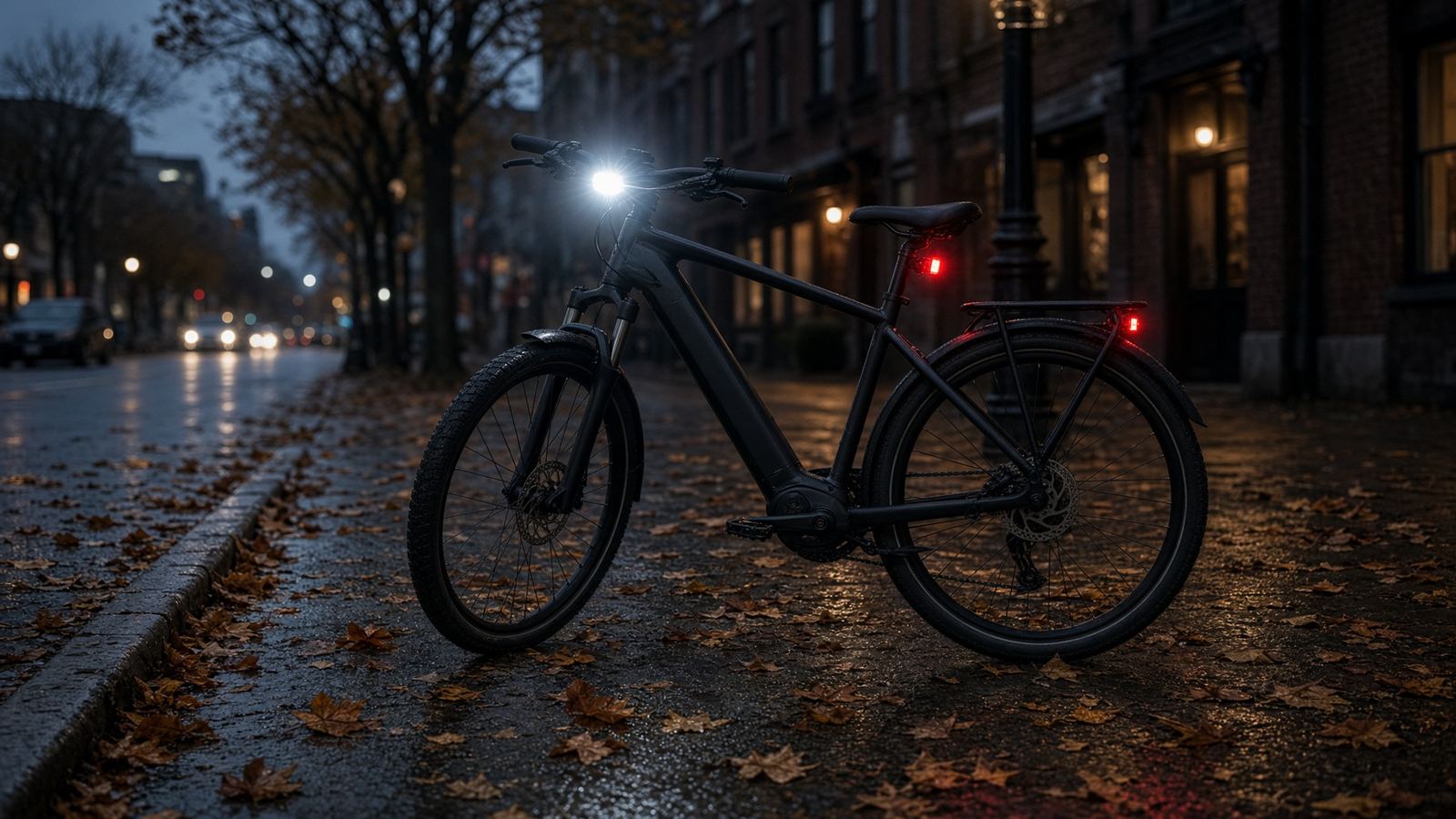
GearFall Ebike Kit: Lights, Layers, and a Battery That Hates Cold
Lithium sags in the cold. Drivers still need to see you at 5:40 p.m.
SEP 6, 2026 · 6 min
 Guides
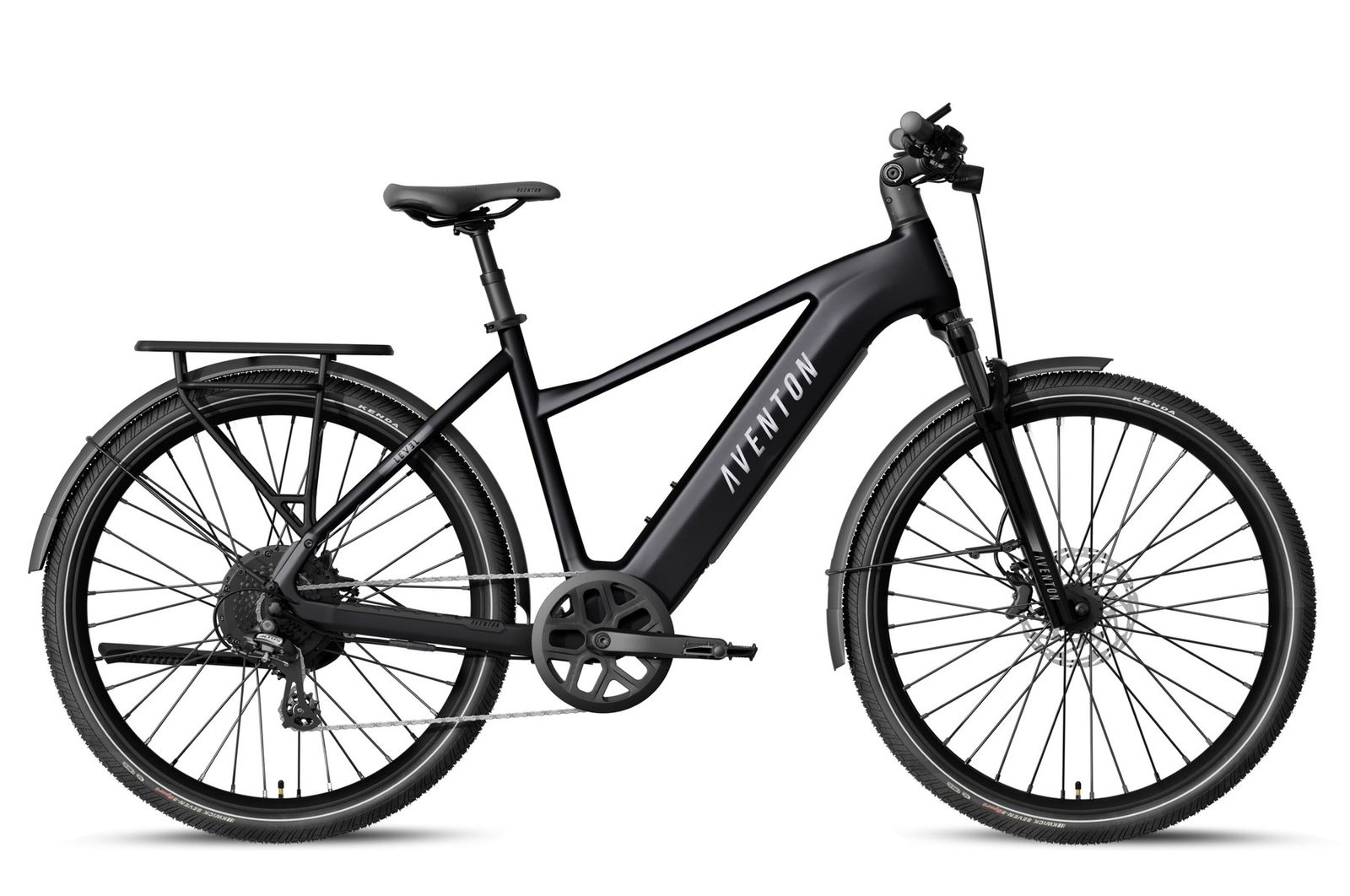
10 Commuter Ebikes Worth Shopping in 2026
Named bikes, real motors, and the jobs they actually do.
SEP 14, 2026 · 11 min