Class 1, 2, and 3: The U.S. Ebike Laws Riders Still Get Wrong
Federal product law is not the same as the trailhead sign.
By Priya Nair
The short answer
Class 1 is pedal-assist to 20 mph with no throttle. Class 2 adds a throttle but the motor still cuts at 20. Class 3 is pedal-assist to 28 mph. Federal law (under 750W, pedals, motor-only under 20) decides whether the thing is a bicycle in the store. The city sign decides whether you get a ticket.
Most U.S. states use three classes. Class 1: pedal assist only, motor cuts at 20 mph, no throttle. Class 2: throttle allowed, 20 mph cap. Class 3: pedal assist to 28 mph, speedometer on the model-law version, generally no throttle. All three, in the usual definition, also assume operable pedals and a motor of 750 W or less.
Federal CPSC ‘low-speed electric bicycle’ law is a consumer-product definition (pedals, ≤750 W, motor-only speed ≤20 mph). It does not grant trail access. States and cities do. New York caps Class 3 at 25 mph, not 28. Oregon allows motors up to 1,000 W. New Jersey, as of 19 July 2026, no longer uses the three-class labels at all (registration + license for every ebike).
Helmets, age, paths
California: Class 3 minimum age 16; helmet required for all Class 3 riders and for any rider under 18. Connecticut: helmet for every operator and passenger, all ages, all classes. New York: 16+ to ride any class; helmet under 18; NYC caps operation at 15 mph. Texas: Class 3 at 15+, no statewide helmet. Florida: helmet under 16, no statewide minimum age, SB 382 vetoed. Class 3 is commonly banned from multi-use paths even when it is street-legal. A throttle on a bike you never twist can still change the class — and the sign.
The motor does not decide if you belong on a trail. The local rulebook does. Read it before the ranger does.
Questions people ask
Can I ride Class 3 on a bike path?+
Often no. Many paths allow Class 1 and 2 only. California Class 3 is typically road and bike-lane, 16+, helmet required. Read the sign.
Does a 750W peak Amazon title mean it is legal?+
No. The statute is less than 750 watts, not “peak 1,200W on the box.” Peak marketing is not the CPSC number.
Should I do these mods or repairs myself?+
Do this at your own risk. Work with a qualified ebike or e-moto technician for wiring, batteries, brakes, and controller maps. SickEBike is an informational desk, not a shop. A wrong amp limit, a mismatched charger, or a bad bleed can start a fire or a crash.
Keep riding
 Guides
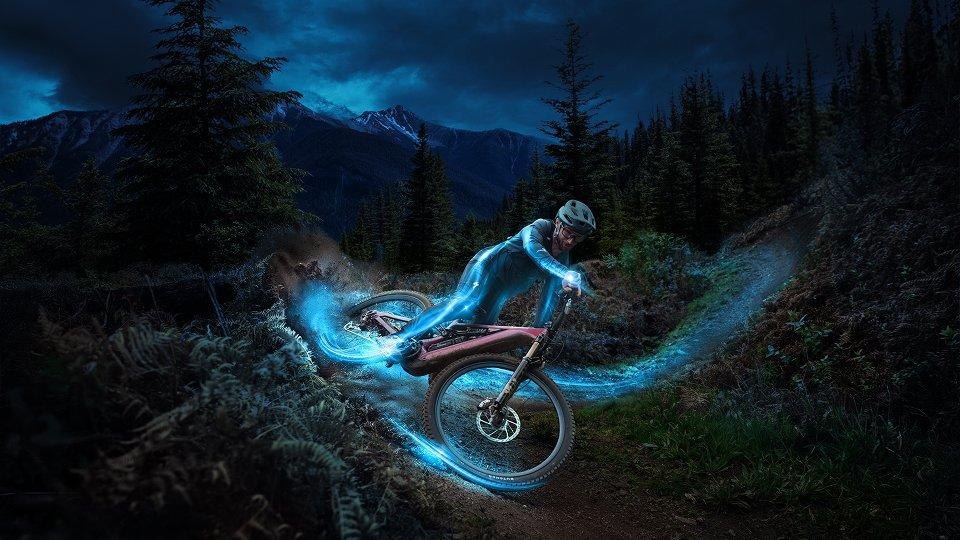
What Is a Class 1, 2, and 3 E-Bike?
Class 1 is pedal-assist to 20. Class 2 adds a throttle to 20. Class 3 is pedal-assist to 28. A Tuttio is none of these. The sticker is not the trail.
SEP 13, 2026 · 14 min
 Guides
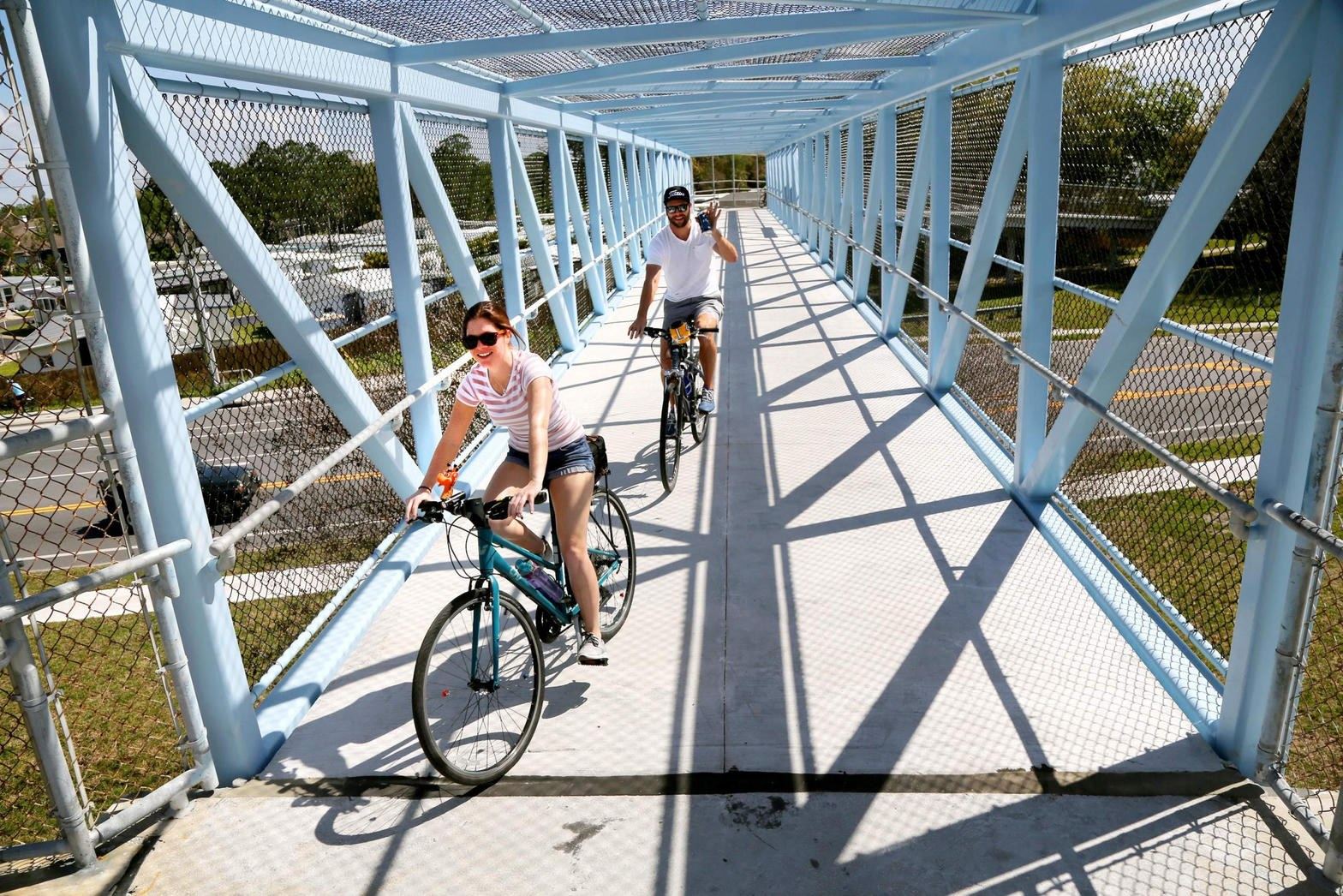
E-Bike Speed Limits
The motor cuts at 20 or 28. The path sign is often 15. NYC is 15 on the street. Pedaling faster is still a bicycle. Unlocking the app is not.
SEP 13, 2026 · 13 min
 News
NewsU.S. Ebike Laws in 2026: One Federal Ceiling, Fifty State Rulebooks
Class 1–3 is the baseline. New Jersey just left it. NYC caps you at 15. California wants a helmet and a UL sticker.
SEP 9, 2026 · 11 min