How to Buy an Ebike in 2026 Without Getting Burned
Class, UL, watts, and the shop that will bleed the brakes.
By Priya Nair
The short answer
Buy a 2026 ebike by job and class, not peak watts. Confirm the bike is UL 2849 (or equivalent), matches the path you actually ride (Class 2 on most greenways, Class 3 often road-only), and has a shop or parts story. Throttle dirt bikes over 750W are e-motos — different law, different insurance.
Buy the class that matches the path, the certification that matches the law, and the motor you can get serviced. Everything else is colorways.
Five checks before money leaves the account
1. Class vs. the route. Federal 15 U.S.C. § 2085 is a product definition (pedals, <750 W, motor-only <20 mph). States add Class 1/2/3. New York City caps every ebike at 15 mph. Chicago bans motors on the Lakefront Trail. California wants a helmet on Class 3 at any age. New Jersey wants a license and MVC registration. A Class 3 unlock in the app does not rewrite the sign. 2. The frame label. Most three-class states require class, top assisted speed, and motor wattage permanently affixed. If it isn’t there, you cannot prove you are on a bicycle when a deputy asks. 3. UL 2849 (whole electrical system) and UL 2271 (the pack). New York City Local Law 39 has required those certs to sell or rent since 16 September 2023. California’s SB 1271 tightened battery rules as of 1 January 2026. The CPSC proposed a federal micromobility battery rule (NPR in the 24 June 2026 Federal Register; comments through 24 August). As of September 2026 that federal rule is still a proposal, not a final CFR you can cite as in force.
4. Watts. Federal language uses less than 750 watts. Peak watts on a product title are a few seconds of controller output. An honest 750 W Class 2 hub (RadRover 6 Plus, Aventure 3, Level 4 REC) is a bicycle in most three-class states. A 3,000 W throttle bike that does 35 mph without pedaling is not, no matter what the listing says. 5. Who bleeds the brakes. Trek, Specialized, Gazelle, Tern: dealer network. Aventon lists 1,800+ U.S. partners. Lectric and many Amazon brands are mail-back. A 70 lb bike with hydraulics will need a shop. Budget for that.
Fit the heavier adult first on cargo bikes (Tern GSD GVW 200 kg / ~441 lb; Globe Haul ST ~419 lb payload). Folding: Brompton Electric if you actually carry it (~34–38 lb); Lectric XP4 if you fold it into a garage (~70 lb). Helmets: CPSC 16 CFR 1203. Under-16 is the common floor; California and a dozen other states put a helmet on every Class 3 rider. Lights after dark are a bicycle rule in every state. Lock budget: 10–15% of the bike’s street price, two locks, not one.
If the only spec you remember is peak watts, you bought a listing, not a bike.
Questions people ask
What class of ebike should I buy?+
Class 2 (throttle, 20 mph) is the default U.S. commuter. Class 1 if your path bans throttles. Class 3 (28 mph assist) only if your roads and local signs allow it — California wants a helmet for every Class 3 rider.
Is UL 2849 required?+
California SB 1271 requires it on new bikes sold or leased. NYC already requires UL 2849 / 2271 for sale. The CPSC proposed a federal micromobility battery rule in June 2026; it was not a final CFR as of 20 September 2026. Shop as if 2849 is the floor.
Should I buy a Tuttio or Sur-Ron as a first ebike?+
Those are e-motos. If you want bike-path legal, buy a Class 1–3 bicycle (Lectric, Aventon, Trek). If you want dirt, read our Villain vs Tuttio and Light Bee comparisons and ride private land.
Should I do these mods or repairs myself?+
Do this at your own risk. Work with a qualified ebike or e-moto technician for wiring, batteries, brakes, and controller maps. SickEBike is an informational desk, not a shop. A wrong amp limit, a mismatched charger, or a bad bleed can start a fire or a crash.
Keep riding
 Guides
How to Choose the Right E-Bike
Ride job first, then class, motor, watt-hours, and the shop that will still exist. Not peak watts. Not the 85-mile ad.
SEP 14, 2026 · 16 min
 Guides
E-Bike Battery Fires: Risk, Causes & Prevention
CPSC counted 19 e-bike fire deaths in 13 incidents (2017–2024). NYC deaths fell after UL law, not because lithium got nicer. Matched charger, UL 2849, don’t block the exit.
SEP 15, 2026 · 15 min
 Gear
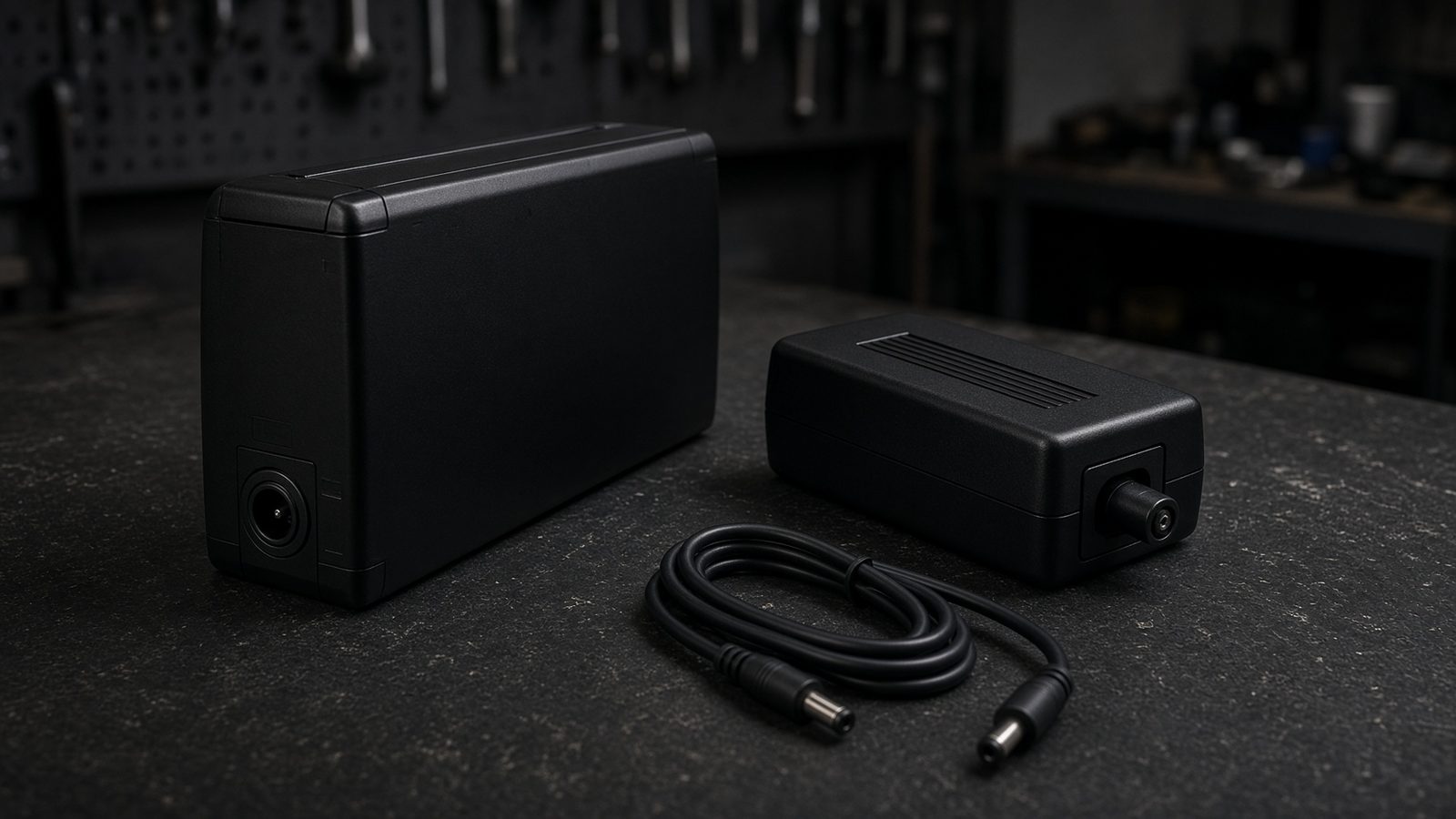
GearUL 2849, Chargers, and the Kit That Keeps a Pack from Becoming a Fire
NYC made certification law. The CPSC wants it federal. Charge with the matched brick.
SEP 16, 2026 · 7 min