What a City Commuter Actually Needs (Not the Catalog)
Belt or chain, lights, a lock, and a class that matches the path.
By Jordan Hale
The short answer
A 2026 commuter is a 50–75 lb bike with fenders, lights, a rack, and a class that matches the path. Budget 10–15% of the bike for two locks. Torque-sensor mid-drives feel like bicycles; cadence hubs are cheaper and snappier. Neither replaces a lock plan.
A mid-price commuter in 2026 is a 50–75 lb bike with fenders, a rack, lights, and either a 500–750W hub or a Bosch/Shimano/Specialized mid-drive. The question is not top speed. It is whether the bike still makes sense on Friday in the rain.
What actually shows up in published commuter tests: lights matter more than peak watts; a chain that rusts after two wet weeks is a maintenance bill; a battery you can carry into an office avoids hallway lithium arguments. Torque-sensor mid-drives (Bosch on Trek/Gazelle, Specialized on Como/Vado) feel closer to a bicycle. Cadence-sensor hubs (many Rad and Lectric models) are cheaper and snappier off the line. Both are legitimate. They are not the same ride.
A commuter without a lock plan is a brochure. Budget 10–15% of the bike’s price for two locks, not one.
Buy this class of bike if your route is paved and repeatable. Skip it if you want trail manners — that is a different motor, tire, and travel number. And if your path bans Class 3, do not app-unlock a Level 4 or Aventure 3 to 28 mph and hope. The sign wins.
Questions people ask
Belt drive or chain for commuting?+
Belt (Gates on Soltera, Como, Gazelle) in rain cities if you will skip weekly chain lube. Chain is cheaper and everywhere. Both work if you maintain them.
Should I unlock Class 3 on a Level 4?+
Only where Class 3 is legal and you will wear the helmet. Path signs at 15–20 mph do not care what the app says.
Keep riding
 Guides
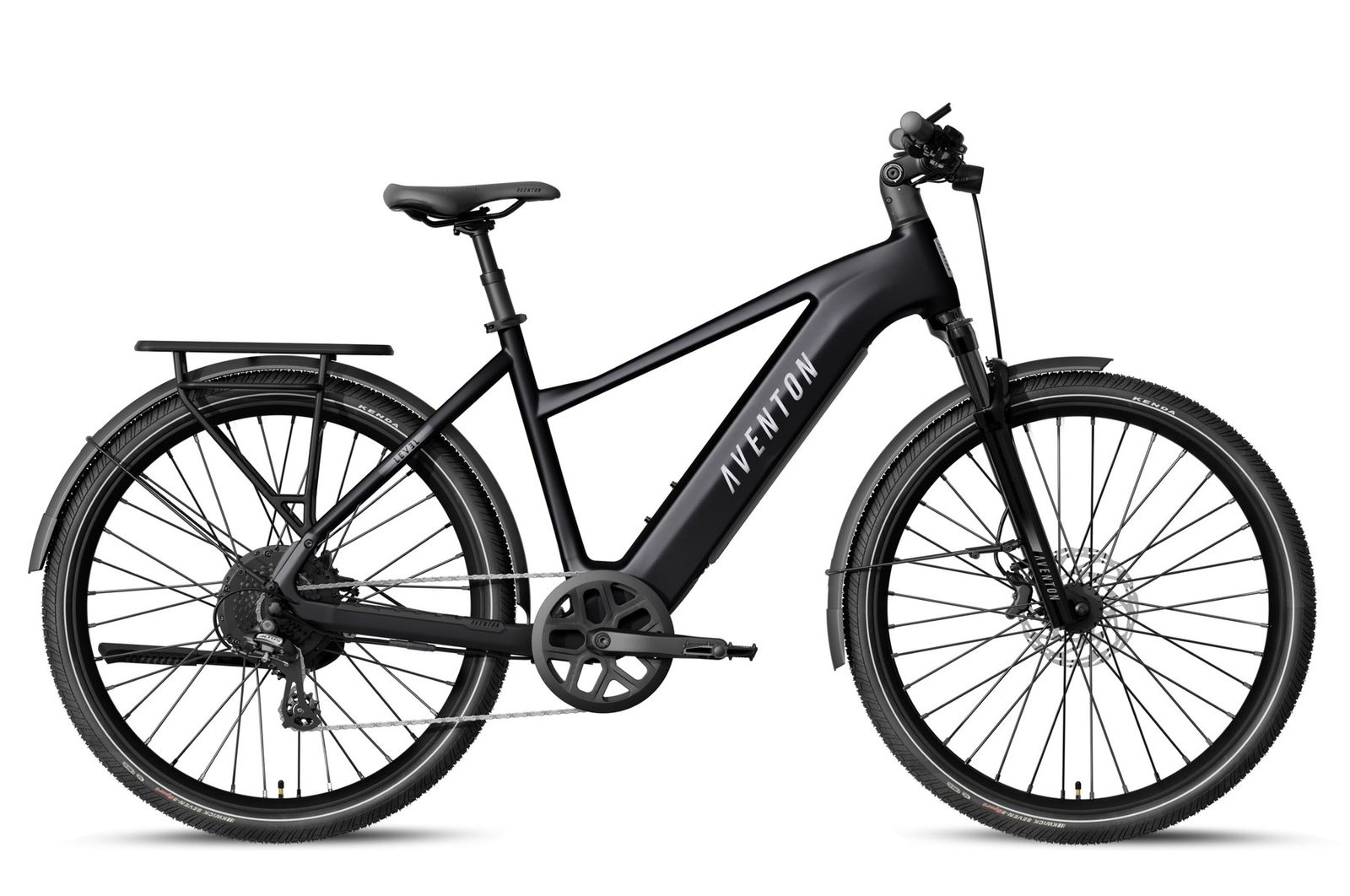
10 Commuter Ebikes Worth Shopping in 2026
Named bikes, real motors, and the jobs they actually do.
SEP 14, 2026 · 11 min
 Rides
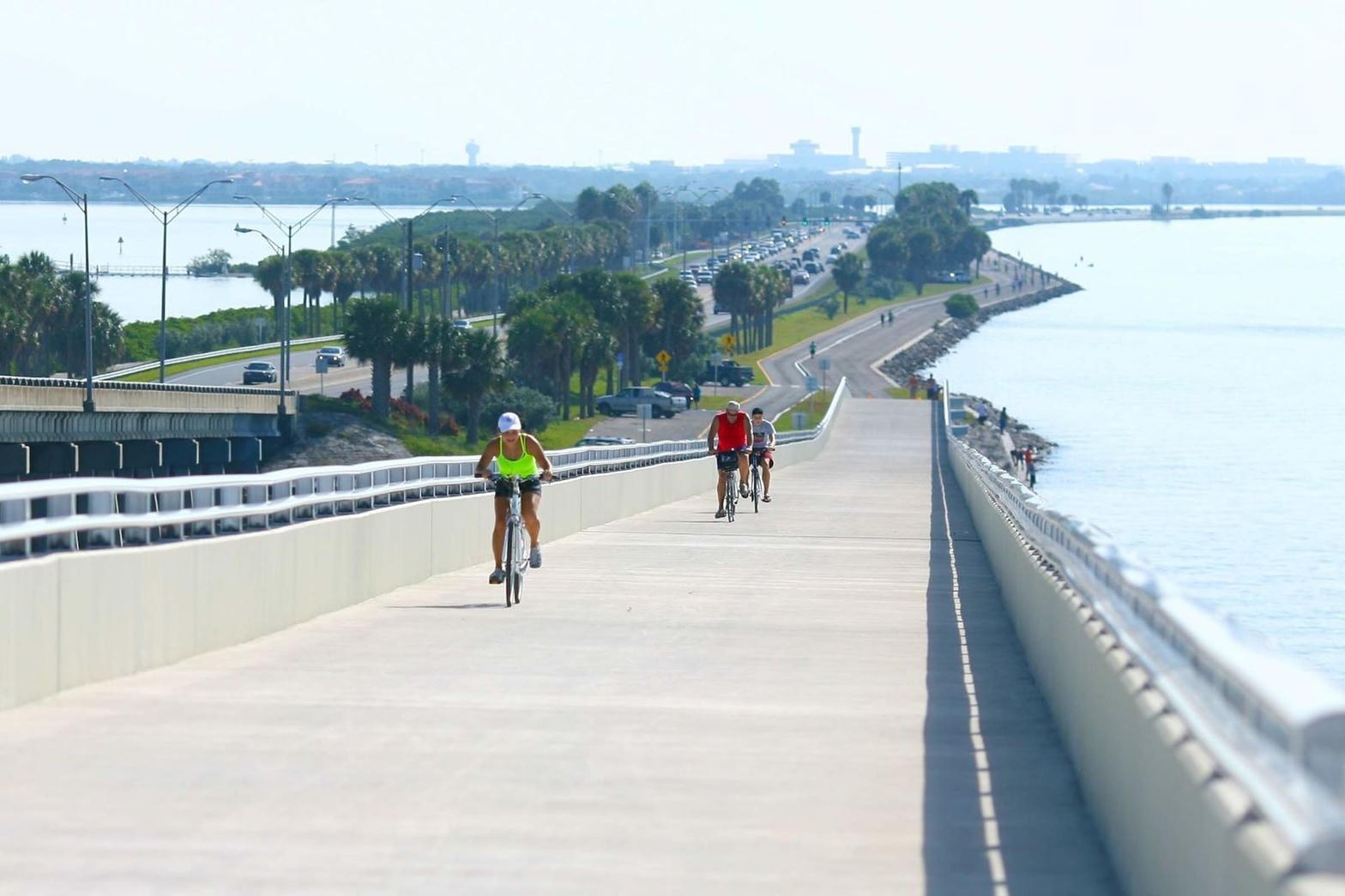
RidesBest E-Bike Trails in Tampa Bay
Pinellas Trail 20 mph, Riverwalk 15, Courtney Campbell wind, Alafia phosphate singletrack. Named pavement and the signs that actually matter.
SEP 14, 2026 · 11 min
 Guides
How to Buy an Ebike in 2026 Without Getting Burned
Class, UL, watts, and the shop that will bleed the brakes.
SEP 17, 2026 · 9 min