Hub Motor vs Mid-Drive: Which Should You Buy?
Hub ignores the gears. Mid-drive uses them. Hills, cargo, range-per-Wh, chain bills, and the $1,500 line where the answer actually changes.
By SickEBike desk
The short answer
Buy a hub for pavement under about 8% and under $2,000 (Level 4 REC, XP4, Aventure 3). Buy a mid-drive for hills, cargo, and trail (Bosch CX, Specialized 3.1, Level 4 ADV). A hub ignores the gears and can cook on a long grade. A mid-drive uses the cassette. EBR 2026: REC hub 43.8/97 miles Turbo/Eco; ADV mid 54.6/120.8.
Buy a hub if the week is pavement under about 8% and the budget is under $2,000. Buy a mid-drive if you climb, haul kids, or ride dirt. A hub motor lives in the wheel and ignores the cassette. A mid-drive lives at the cranks and uses those gears, so the motor stays in its RPM band on a hill. Electric Bike Report’s 2026 same-brand pair is the camera evidence: Level 4 REC hub 43.8 / 97 miles Turbo/Eco (733 Wh); ADV mid-drive 54.6 / 120.8 (800 Wh). This is not a forum fight. It is location, heat, and who replaces the chain. Pair it with how to choose the right e-bike for the rest of the bike.
2026 U.S. street bikes, not e-motos. Nm is not a scoreboard — crank torque and wheel torque are different measurement points. Prices are complete-bike street, September 2026.
| Hub motor | Mid-drive | |
|---|---|---|
| Where | Front or (usually) rear hub | Bottom bracket |
| Uses the gears? | No | Yes |
| Typical claimed torque | 40–80 Nm at the wheel | 60–120 Nm at the crank |
| U.S. power marketing | 500–750 W Class 2 | 250 W continuous; 600–750 W peak |
| Hills | Lugs, heats, may tap power | Downshift; motor stays in band |
| Throttle | Almost universal on Class 2 | Less common; many Class 1 |
| Chain wear | Bicycle-normal | Motor + rider through one chain |
| Shop | Any shop can swap a wheel | Bosch/Shimano/Specialized dealer |
| Street | ~$800–$2,000 | ~$1,800–$13,500 |
| Job | Flat-to-rolling commute | Hills, cargo, trail |
How Each System Works
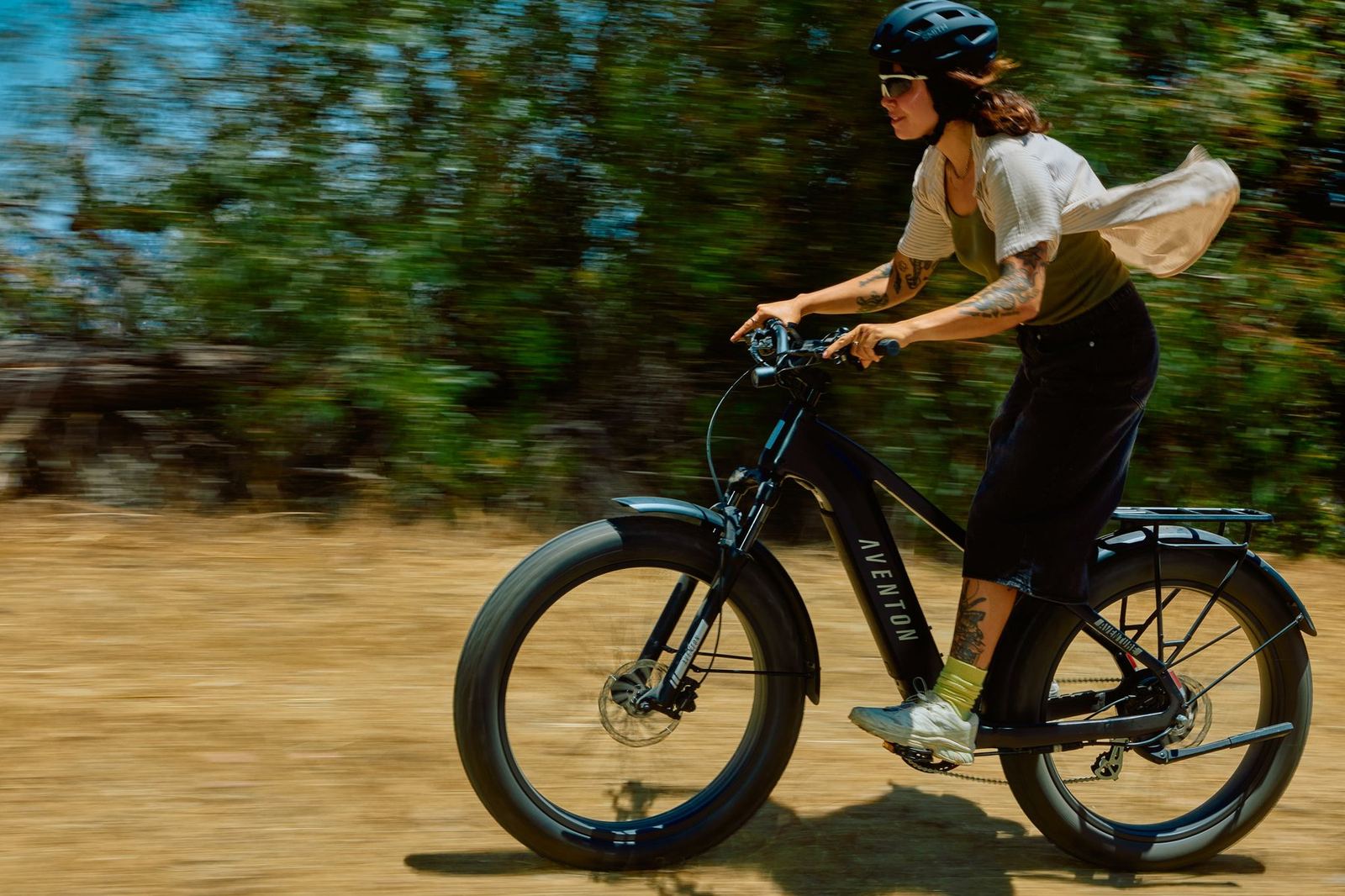
A hub motor is an electric motor built into the hub. Rear is the 2026 default. It turns that wheel. Your chain and cassette still exist for your legs; the motor does not care which gear you picked. Twist a Class 2 throttle and the wheel turns. That is why XP4, RadRover 6 Plus, Aventure 3, and Level 4 REC are hubs. Geared hubs (most commuters) use a planetary inside the can and freewheel when you coast. Direct-drive hubs are heavier, can regen (Level 4), and are the stealth/hub-brake bikes.
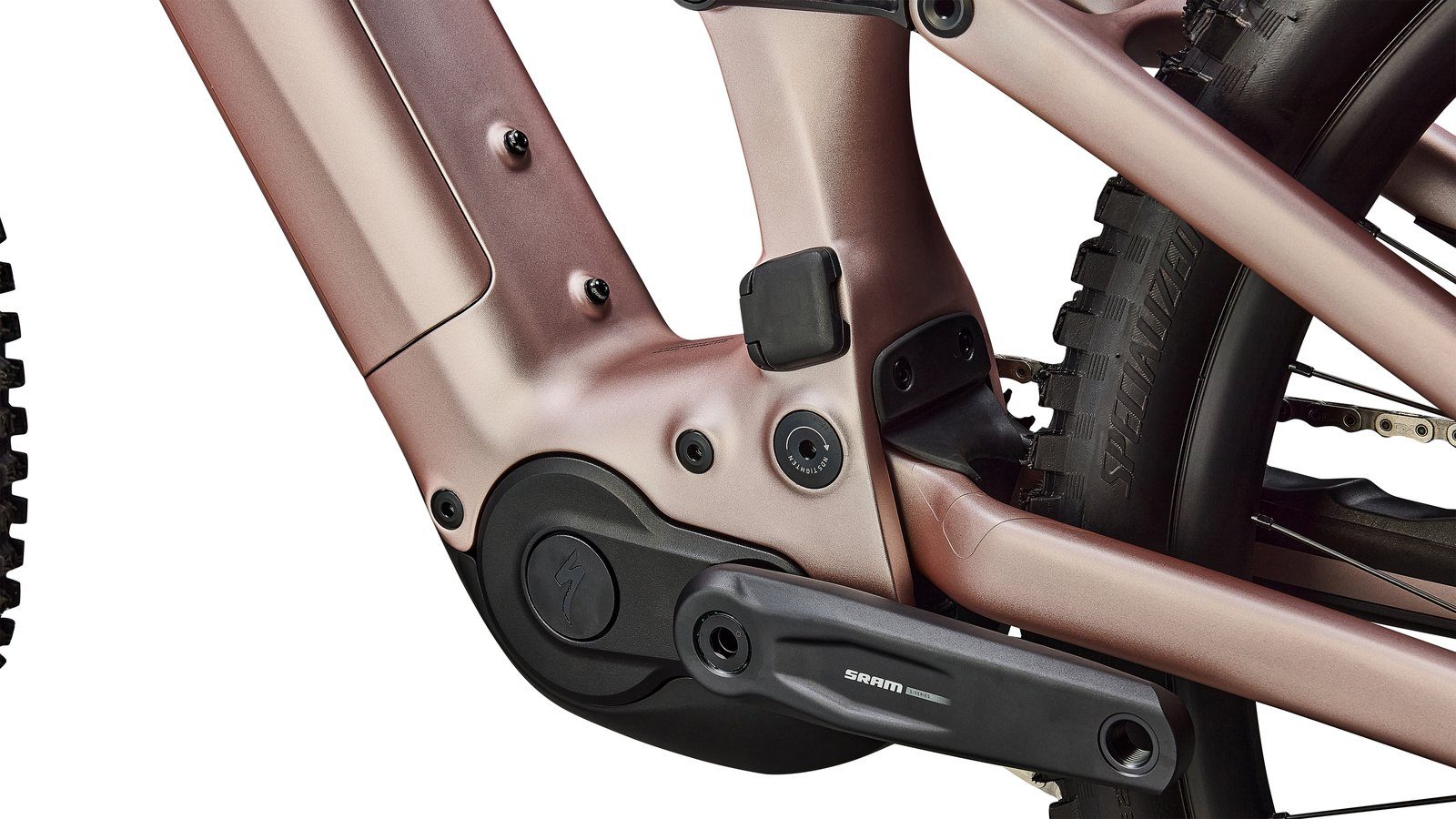
A mid-drive bolts to the bottom bracket and drives the chainring. Power goes through the same cassette you shift. Downshift on a hill and both you and the motor get a lower ratio. Bosch Performance Line CX, Shimano EP801, Specialized 3.1, Aventon Ultro S/X, Tern cargo Bosch — that is the list. Bosch also sells a 2026 city hub (Hub Line BDU306Y, ~45 Nm, 250 W continuous) so “Bosch means mid-drive” is no longer a law of nature. Cargo and e-MTB still mean mid-drive. A Light Bee mid-drive in a dirt frame is an e-moto, not this aisle — class still wants pedals, under 750 W, motor-only under 20.
Ride Feel
Feel is motor plus sensor, not slogan. Cadence hub: cranks turning → dump current → the on/off kick of a $999 bike. Torque hub (Level 4 REC): scales with how hard you push; EBR called torque mode “natural.” Torque mid-drive (Bosch, Shimano, 3.1): the bicycle that got stronger. A cheap cadence mid-drive can feel worse than a torque hub. Rear hub adds unsprung rotating mass and a rear-heavy bike; mid-drive sits low and centered, which is why cargo and trail frames are designed around it. Throttle on a hub is a moped moment at a light. Many mids are Class 1 — no throttle — which is a path ticket, not a personality.
Acceleration
Off the line on flat pavement, a 750 W cadence hub often feels faster because it does not wait for your legs. That is the Lectric/Rad party trick and why people buy Class 2. A torque mid-drive waits for you, then pulls through the gear you chose — smoother, usually slower to 15 mph unless you dump it in a low gear. On a 10% driveway with 200 lb of cargo, the hub that won the parking-lot drag will lug; the mid in granny will leave it. Watts = volts × amps. Peak 1,092 W on an XP4 500 is a burst. Continuous 250 W Bosch with gears is a climb. Do not confuse 0–15 mph on a path with a 12% start with a kid on the back.
Hills
A hub has one ratio: motor RPM to wheel RPM. As the bike slows, motor RPM falls out of band, current and heat rise, some hubs tap power or shut down. That is not a moral failing. It is a gearbox you did not buy. A mid-drive downshifts. Motor RPM stays high, wheel torque multiplies, windings stay cooler longer. BikeTips (updated Sep 2026) and Ebike Oracle (May 2026) put the split around 8% grade: below that, a decent hub is enough for most U.S. riders in the $1,000–$2,500 band; above it, or with 200 lb of cargo, buy the mid. Chicago’s median block is 0.13% — torque is the wrong spec there. Tampa’s bridges are not. XP Trike 2 750 averaged 14.8 mph on BikeRide’s 12° test hill because 85 Nm through a differential still has one ratio.
Below about 8% grade, a hub is enough for most U.S. commuters. Above it, you are buying gears for the motor, not just for your legs.
Efficiency
Efficiency is watt-hours per mile, not a brochure percent. A motor in its RPM band wastes less as heat. That is the mid-drive pitch on a climb. On the flat, a good hub is close — EBR’s REC still beat the hub-commuter average. ADV used about four to five fewer Wh/mile than EBR’s commuter average and landed in their Eco top five, with a slightly bigger pack (800 vs 733 Wh), so it is not a perfect A/B. Hub regen (Level 4) puts a little back on the way down; it is not a second battery. Fat 26×4 rubber and a 90 lb trike will drink more Wh than the motor type will save. Buy the tire and the weight first, then the motor.
Range
Range is watt-hours × how hard you ride × hills × wind × rider mass. Motor type is one term. EBR 2026, same protocol: REC hub Turbo 43.8 / Eco 97; ADV mid Turbo 54.6 / Eco 120.8. BikeMag’s Turbo-heavy REC loop was ~35 miles — hangtag “up to 75” is Eco plus regen. XP4 500 hub: EBR 30.2 / 55.1, OGL 19.1 with climbing. Halve Eco if you are 220 lb in PAS 5 in January. The mid does not invent watt-hours. It wastes fewer of them as heat when the cassette is doing work.
Drivetrain Wear
A hub spares the chain from motor torque. Bike Yard Online (Apr 2026): typical chain life ~3,000–5,000 km on hubs vs 1,500–3,000 km on mids, because the mid chain carries rider and motor together. eBicycles.ai (Feb 2026): extra drivetrain ~$80–$200/year on mids vs $10–$30 ordinary wear on hubs. A Bosch rider with a chewed 11-speed is that invoice. Belt + Enviolo (some Como, Gazelle, Soltera) is how you opt out. Single-speed hubs (XP Trike 2) still rust; they just do not have a cassette to eat. Maintenance checklist: 0.5% chain checker is cheaper than a cassette. At your own risk if you ignore it; work with a shop for hangers and limits.
Maintenance
Hub: keep the wheel true, the axle nuts/thru-axle tight, the drain holes clear, do not pressure-wash the can. A dead hub is often a wheel swap. Mid: lube, chain wear, clutch if it has one, dealer diagnostic for Bosch/Shimano error codes. Out-of-warranty EP801 is typically a whole-motor crate, not a stator job. Hydraulics still need a bleed on both. UL 2849 is the charger, not the motor. Do not map a controller on a grocery hub. At your own risk; a mismatched charger or a bad bleed is a fire or a crash — use a qualified tech.
Reliability
Hubs fail from water in the can, cooked windings on a 10% grade, and stuck hall sensors — how to test a used motor. Himiway’s 2026 hub-failure note still lists axle-cable entry, side-plate seams, bearings, and the suck of a hot motor cooling down. Mids fail from water at the BB, crashed cases, and neglected chains that eat the motor’s output gear. Dealer serials (Bosch, Shimano, Specialized) still talk to the brand; a Marketplace harness cut is a paperweight. Five-year parts: Bosch dealer > Aventon crate > no-name Amazon hub. Volume U.S. hubs (Lectric M24, Aventon) have a real spare-wheel story. That is reliability as “can I get a wheel,” not “will it never break.”
Cost
Ebike Oracle (May 2026): the $1,000–$2,500 band where most U.S. sales happen is hub territory, and that is correct for flat-to-rolling under ~30 miles a day. Bike-ev 2026: mids start to make sense from ~$1,800. Under $1,500 you are buying a hub, often cadence, often mechanical brakes. $1,800–$2,800 is torque hubs (Level 4 REC ~$1,799–$1,999) overlapping entry mids (Level 4 ADV $2,799, some Ride1Up and dealer Bosch city). Above $4,000 you are paying for Bosch/Shimano/3.1, a shop, and a frame designed around the motor. Levo 4 $5,800–$13,500. Do not spend mid money and skip chain service. Do not spend hub money and then move to 12% hills with two kids.
Weight
Where the mass sits matters more than a 2 lb gap. Rear hub: extra rotating unsprung weight, rear-biased, noticeable in a manual or a curb. Mid: low, centered, the bike wheels in a garage. Bosch CX ~2.8–2.9 kg; EP801 ~2.6–2.8 kg; a fat geared hub in a 26×4 wheel is a brick at the rim. SL mids (Vado SL, Fuel EXe) exist to keep the bike in the 40–50 lb class you can lift. XP4 hub folder is ~70 lb because of the frame, not because hubs are heavy. XP Trike 2 91–96 lb is three wheels. If you carry the bike, buy SL or Brompton, not a motor thread.
Commuting
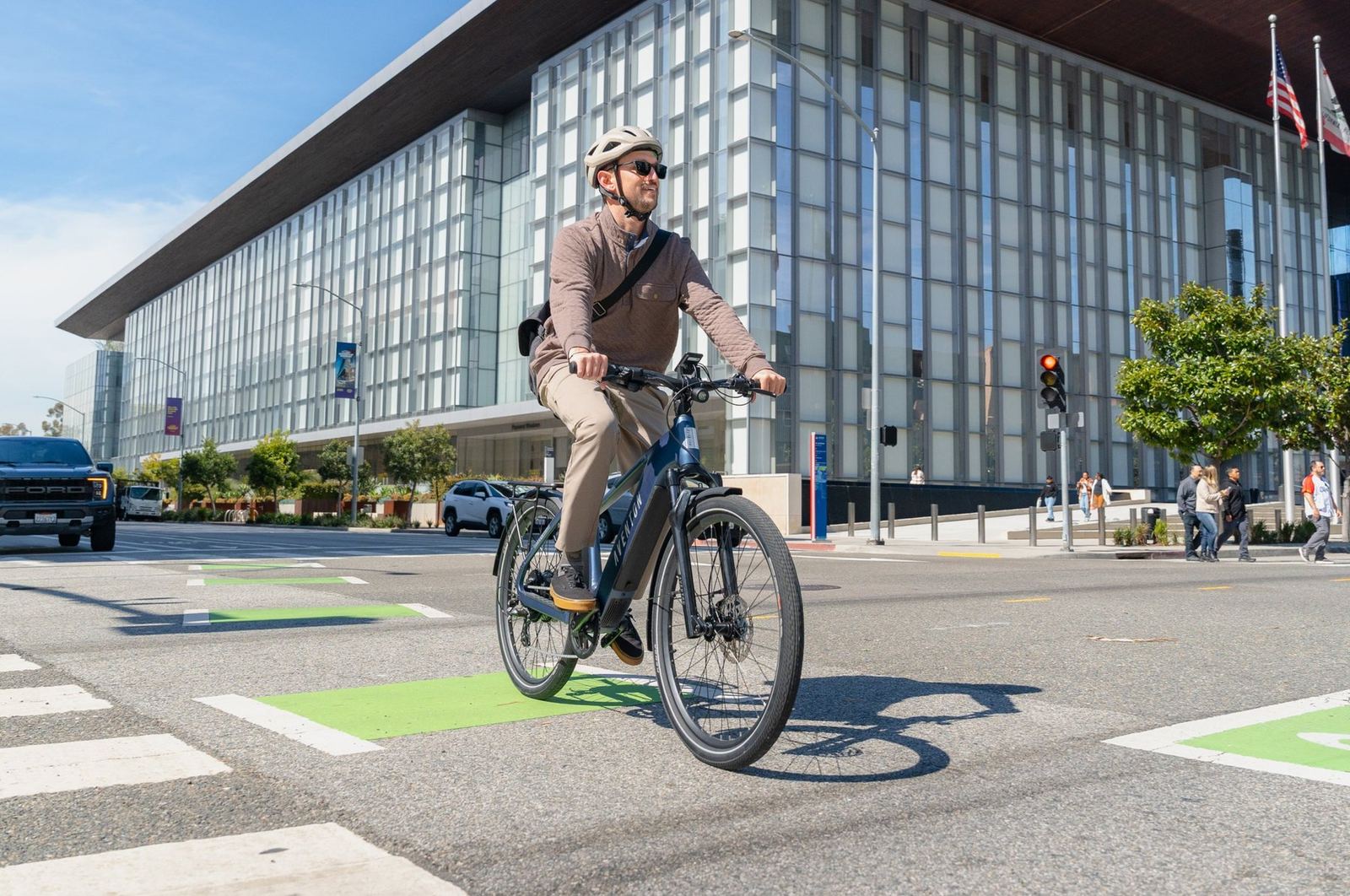
Pavement, lights, a rack, a class that matches the path. Hub is the default: Level 4 REC, XP4, Vorsa, Discover 3. Torque sensor if you ride in traffic. Fenders. Hydraulics at 20 mph. NYC 15 for every class; Pinellas 20; Class 3 is a road. Belt city mids (Gazelle, some Como) if you will not index a derailleur in the rain. Regen on Level 4 is a nice extra, not a reason to skip pads. The commute question is stairs and the sign, not 85 Nm. Full chooser: how to choose.
Cargo
Starting on a 10% driveway with two kids is a crank-torque problem. Tern GSD 200 kg GVW, HSD Gen 2 419 lb, Urban Arrow, Trek Fetch+ — Bosch (or Cargo Line) mids. Lectric XPedition 2 from $1,399 is a hub that moves groceries; it is not that product. Globe Haul ST ~419 lb is the value hub longtail (~$2,800). Pay for the mid when the mass is a person who can fall off. Two-stage brakes. Demo with the heavier adult and the seats on. A twitchy front-loader with a powerful hub is a story, not a calmer Tuesday.
Mountain Biking
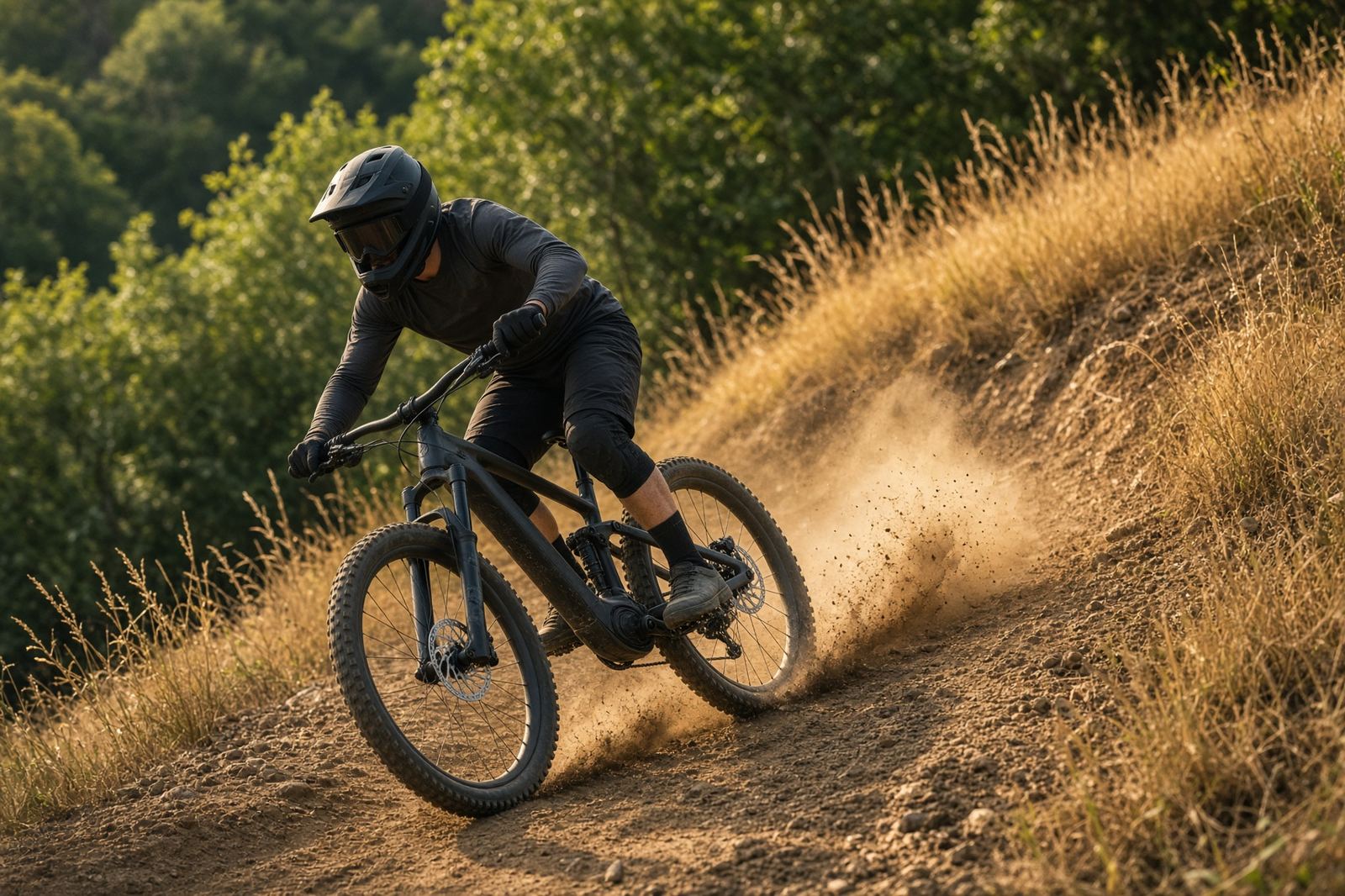
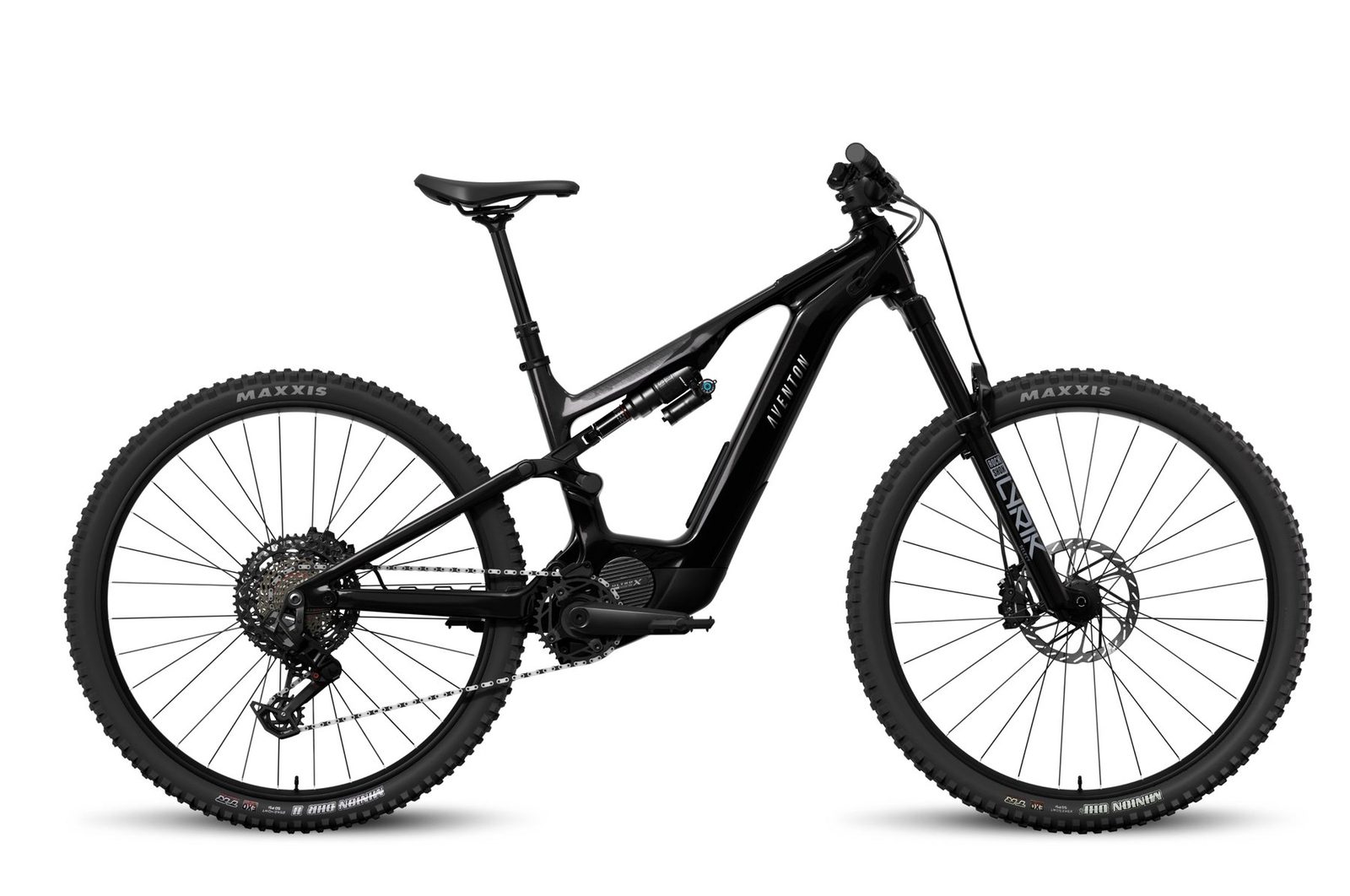
Singletrack wants a mid, a clutch, a dropper, 140–160 mm. Levo 4 3.1 / 840 Wh / 160/150. Trek Fuel EXe is the SL. Aventon Current ADV/EXP and Ramblas ADV are the under-$6k / under-$2.5k mids. A 750 W fat hub (Aventure 3, RadRover) is fire-road and beach. Class 1 is the trail default — no throttle. Land managers still write the ticket. A Sur-Ron is an e-moto: off-road, not a bicycle class. Do not flash a trail mid onto a 15 mph path.
Heavy Riders
Payload is rider + cargo. Typical commuter 250–300 lb; XP4 330; Trike 2 415/330 rider; Haul ST ~419; GSD 200 kg. Heavy riders cook hubs on grades because current scales with mass and the motor cannot downshift. A mid plus low gears is the tool — and hydraulics, 180–203 mm rotors, and wheels built for the number. A 330 lb rider on a 250 lb sticker is a broken axle. Fat hubs help flotation, not heat. If you are near the sticker, buy cargo-rated, mid if there are hills, and demo at your weight. Spokes and brakes fail before the motor marketing does.
Flat Terrain
If the route is a rail-trail, a Tampa causeway, or Chicago’s 0.13% median block, a hub is the correct spend. You are buying fenders, a lock, UL 2849, and watt-hours — not 100 Nm. Level 4 REC’s 97 Eco miles are the proof that hubs are not toys on the flat. Spend the mid-drive delta on a belt, better lights, or a second battery if you actually empty the first. A Class 2 throttle at 15 mph in NYC is already the law; a CX does not write a new one.
Pros & Cons
Short version of the page. Sensor quality can flip a row — a torque hub vs a cadence mid is not the slogan fight.
| Hub | Mid-drive | |
|---|---|---|
| Pros | Price, throttle, wheel-swap repair, chain lives longer, regen possible | Hills, cargo, trail, centered weight, Wh/mile on climbs, dealer motors |
| Cons | Lugs and cooks on long grades, rear-heavy, one ratio, halls/water in the can | Chain bills, $1,800+ entry, dealer crate if it dies, often no throttle |
| Skip if | 12% driveway + kids, real singletrack | Stairs every day, sub-$1,500, you will not lube a chain |
Which One Fits Which Rider?
Hub: pavement, polite hills, under ~$2,000, want a throttle. Named: Level 4 REC, Aventure 3, XP4, RadRover 6 Plus, Ride1Up Vorsa. That is still most of America. Mid-drive: you climb, you carry humans, you ride dirt, or you want a bicycle that still feels like one at two bars. Named: Level 4 ADV, Bosch CX (Trek/Gazelle/Tern/Canyon), Specialized 3.1 (Levo 4), Ultro X (Current). Budget the chain. E-moto mids (Tuttio, Villain, Light Bee, MX4) are a different law — not Class 1–3.
Do not buy a mid because a forum said hubs are toys. Do not buy a hub because a YouTuber said mids are fragile. 2026 evidence is boring: hubs win price, simplicity, and flat range-per-dollar. Mids win hills, cargo, balance, and (in EBR’s pair) watt-hours per mile. Pick the job in how to choose. Then pick the motor that does that job without lying about 750 watts. Unlocks, maps, and DIY windings: at your own risk, with a professional.
Questions people ask
Hub motor or mid-drive — which should I buy?+
Hub if your week is flat-to-rolling pavement and the budget is under about $2,000. Mid-drive if you climb, haul kids, or ride singletrack. Sensor quality matters: a torque hub can feel better than a cadence mid.
Is a mid-drive always better than a hub motor?+
No. Better on hills above about 8%, with cargo, and for bicycle feel. Worse on price, chain wear, and simple wheel-swap repairs. Most U.S. commuters on flat-to-rolling routes are still correctly on hubs.
What range did Electric Bike Report measure for hub vs mid-drive?+
Same brand, 2026: Aventon Level 4 REC hub — Turbo 43.8 miles, Eco 97 miles (733Wh). Level 4 ADV mid-drive — Turbo 54.6, Eco 120.8 (800Wh). Different packs, same desk protocol.
Do hub motors overheat on hills?+
They can on sustained steep grades because they cannot downshift. Motor RPM falls, current and heat rise. A mid-drive uses the cassette to keep RPM in band.
How much extra maintenance is a mid-drive?+
Published desks put chain life roughly half of a hub (about 1,500–3,000 km vs 3,000–5,000 km) and extra drivetrain spend around $80–$200 a year. Bosch/Shimano out-of-warranty motors are typically whole-unit replacements.
Are Sur-Ron and Tuttio mid-drives?+
Yes — mid-drives in dirt-bike frames. They are e-motos, not Class 1–3 bicycles. Pedals, under 750W, and motor-only under 20 mph are the federal tests they fail.
Should I do these mods or repairs myself?+
Do this at your own risk. Work with a qualified ebike or e-moto technician for wiring, batteries, brakes, and controller maps. SickEBike is an informational desk, not a shop. A wrong amp limit, a mismatched charger, or a bad bleed can start a fire or a crash.
Keep riding
 Guides
How to Choose the Right E-Bike
Ride job first, then class, motor, watt-hours, and the shop that will still exist. Not peak watts. Not the 85-mile ad.
SEP 14, 2026 · 16 min
 Reviews
What YouTube Actually Measured in 2026: Level 4, Range, and Mid-Drives
Electric Bike Report, Ebike Escape, and BikeRide published numbers. Here they are.
SEP 19, 2026 · 8 min
NewsEbike Motors in 2026: Bosch, Shimano, Specialized, Hubs
The 3.1, the CX, EP8, and the 750W hub that still fills the aisle.
SEP 8, 2026 · 7 min