

How to Test a Used Motor
Smell, spin, ohms, then halls. A Marketplace ‘strong motor’ is not a spec sheet. Walk away before you buy a rusted stator and a melted plug.
By SickEBike desk
The short answer
Test a used motor in this order: smell and bearing play, finger-spin with phases unplugged, matched phase-to-phase ohms and no short to the case, then hall supply ~5V and three signals that toggle 0–5V as you turn. Burnt varnish, one open phase, a stuck hall, or rust in a Light Bee can are walk-aways. Do this at your own risk with a qualified tech — it is not a parking-lot rebuild.
A used motor is the one part a listing cannot fake with a fresh wrap. Bearings grind. Halls stick. Phase enamel cooks. Water sits in the bottom of a Light Bee can until the sensor board greens. This is a buyer’s sequence, not a rebuild manual: look, spin, measure, then a short ride. Letrigo’s 2025 motor test and EM3EV’s August 2026 hall guide agree on the electrical half. Doctorbass and a decade of Sur-Ron threads agree on the water half. Do this at your own risk — have a tech on the meter if the plugs are a mystery. Voltage still has to match the controller. Watts still equal volts times amps; the explainer is volts, amps, and watt-hours.
Walk-around before a wrench
Smell the axle cable and the can. Burnt varnish is a winding that already ran too many phase amps. Rainbow heat marks on the side cover, a melted hall plug, or a crimp that was restuffed with tape are walk-away tells. Himiway’s August 2026 hub-failure note still lists the usual water paths: axle cable entry, side-plate seams, bearings, and the suck of a hot motor cooling down. A pressure-washed Class 2 hub motor and a Light Bee that sat in a wet van fail the same way — rust at the bottom of the can.
Wiggle the wheel or the sprocket side-to-side on the bike. Letrigo: a clunk is bearing or axle wear. Spin it by hand with the bike off. Grinding is a bearing. A periodic tick can be a magnet that lifted (direct-drive) or a nylon planet tooth (geared hub). Himiway: geared hubs use three nylon planets and a one-way clutch — a stripped tooth binds the lot. On a Talaria or Light Bee, play at the output sprocket is a gearbox or bearing, not a ‘characterful’ motor.
The finger-spin: motor vs controller
Seb G’s Light Bee clip is still the two-minute test shops do before they unbolt anything. Power off. The wheel should turn with a finger — cogging from the magnets, not a lock. If it takes a hand, unplug two of the three fat phase wires at the controller and spin again. If it suddenly goes free, the short is in the controller MOSFETs, not the stator. If it stays stiff with phases off the box, the short is in the motor. That one check saves a weekend of swapping the wrong part.
Phase wires: ohms, then a short to the case
Unplug all three thick phase leads from the controller. Letrigo: phase-to-phase resistance is very low and even — typically under 1 Ω on a hub, a few tenths on a big dirt-bike stator. The three pairings (yellow-blue, yellow-green, blue-green) should match each other. A Chinese shop note still used in 2026 (and Endless Sphere on cooked Sur-Rons) says the same thing in different units: if one pair is clearly lower, enamel melted and you have a partial short. If one pair is open (OL), a winding is broken. Then check each phase to the motor case or axle. Any beep to ground is a winding that kissed the laminations. That motor is a boat anchor, not a bargain.
Colors lie. Phase yellow is not hall yellow. Confirm the pinout from the bike’s harness, not a forum screenshot for a different connector. A used Villain FarDriver and a Light Bee do not share a plug. Wrong pairing is how you get the 36 hall/phase combos Letrigo warned about — judder, heat, a controller that dies to save you.
Desk used-motor checks. Numbers are published shop ranges (Letrigo 2025, EM3EV 2026, Jieli, Endless Sphere), not a SickEBike dyno. If a reading is ugly, stop. Do not ‘just try it on 72 volts.’
| Check | Healthy-ish | Walk away |
|---|---|---|
| Smell / heat marks | Neutral, covers unstained | Burnt varnish, rainbow cover, melted hall plug |
| Finger spin (phases unplugged) | Finger plus magnet cogging | Needs a hand, grind, periodic tick |
| Axle / sprocket wiggle | No clunk | Side play, rumble |
| Phase-to-phase ohms | Low and matched (hub often <1 Ω) | One pair open, or one pair clearly lower |
| Phase to case | Open / no beep | Any continuity to axle or cover |
| Hall 5V supply | About 4.8–5.2 V (Jieli; some bikes ~5 V) | Under ~4.5 V — stop; that can be the controller regulator |
| Hall signals while turning | Each toggles ~0 V and ~5 V | Stuck high, stuck low, or all three dead |
| Connector | Clean pins, jacket intact at axle | Green crust, restuffed tape, pulled strain relief |
Hall sensors: 5 volts, then three toggles
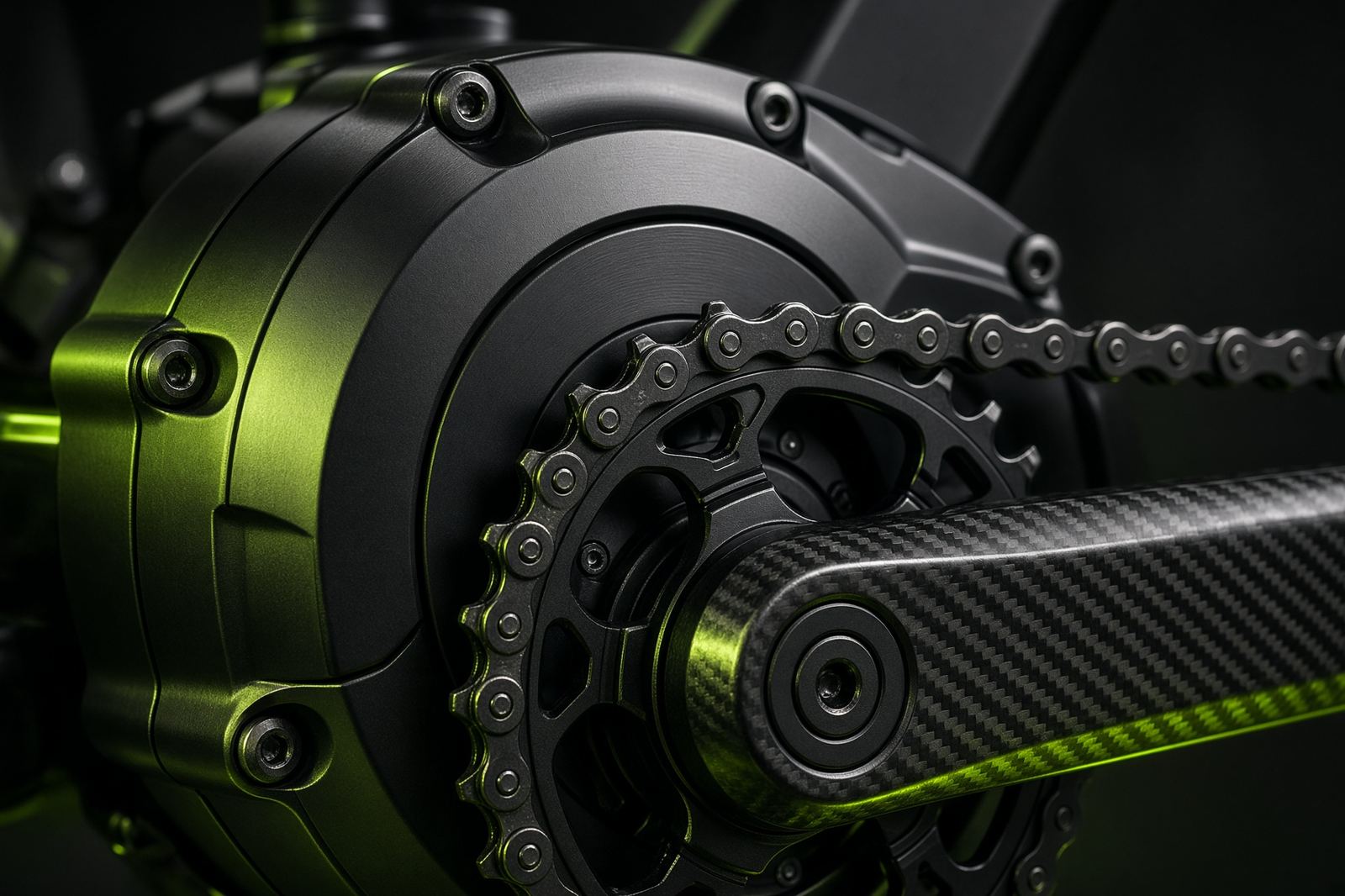
Most sensored hubs and almost every e-moto stator use three digital halls so the controller knows which phase to fire from a stop. The thin harness is usually five wires: red ~5 V, black ground, yellow/green/blue signals (Letrigo, Jieli, EM3EV). White, if present, is often a temperature tap or a speed output — not a fourth hall. EM3EV (28 August 2026): identify power and ground from verified pinout, confirm the low-voltage supply, then measure each signal while you turn the motor slowly. A live hall jumps between near 0 V and near the supply, often ~5 V. One channel that never moves is a dead sensor or a broken wire in the axle. All three dead with no 5 V is often the controller’s regulator, not the motor — Jieli says if the supply is under 4.5 V, do not throw halls at it.
Power is required for the voltage test. Keep the hall plug on the controller, bike on, wheel off the ground, no throttle. Probe from the back of the connector if you can. A cheap three-LED hall tester (ChrisCrossingWires, 2024) does the same job: all three LEDs should chase as you spin. One LED stuck is one hall. No lights is supply or an open board. The $8 diode-mode ‘test on the bench with the cover off’ clips exist (eSoulbike, 172k views); they are a board-out test, not a used-motor parking-lot test. If you are buying a used can with the cover still on, use the 5 V toggle.
Leo Guar’s 2026 hall note has a no-meter trick: battery off, three phases unplugged, halls still connected, turn the wheel backward. Working halls can add a light, even notch. A glass-smooth spin or a random crunch is a hint, not a conviction. Believe the meter.
E-motos: water, slipped magnets, field weakening
Doctorbass’s Light Bee hall video is the one the Sur-Ron groups still send. Water pools at the bottom of the can. The hall PCB lives there. Rust on the laminations, the bearing, and the potted board is why a used motor ‘hunts’ at takeoff — the controller is being lied to about rotor position. A stutter off the line, or a cut at half throttle, is halls or the tiny magnet on the rotor that the halls read. db DirtyBike (24k views): that magnet can slip in its notch; a new hall board will not fix a magnet that moved. Line it up or walk.
Stock Sur-Ron motors are surface-magnet (SPM). Endless Sphere techs have been saying for years: glue and a screw still let magnets crack at high rpm, and field weakening on a used SPM is how people turn a stator into shrapnel. KO-style interior-magnet motors exist because of that. If the used motor came off a ‘tuned’ 72V build, assume it has seen current it was not wound for. Phase ohms that do not match, a burnt smell, or a seller who will not let you unplug the phases is the whole story. Pair any surviving motor with brakes that can stop the bike and a map that does not cook it again.
Hub vs mid-drive on a used Class 1–3
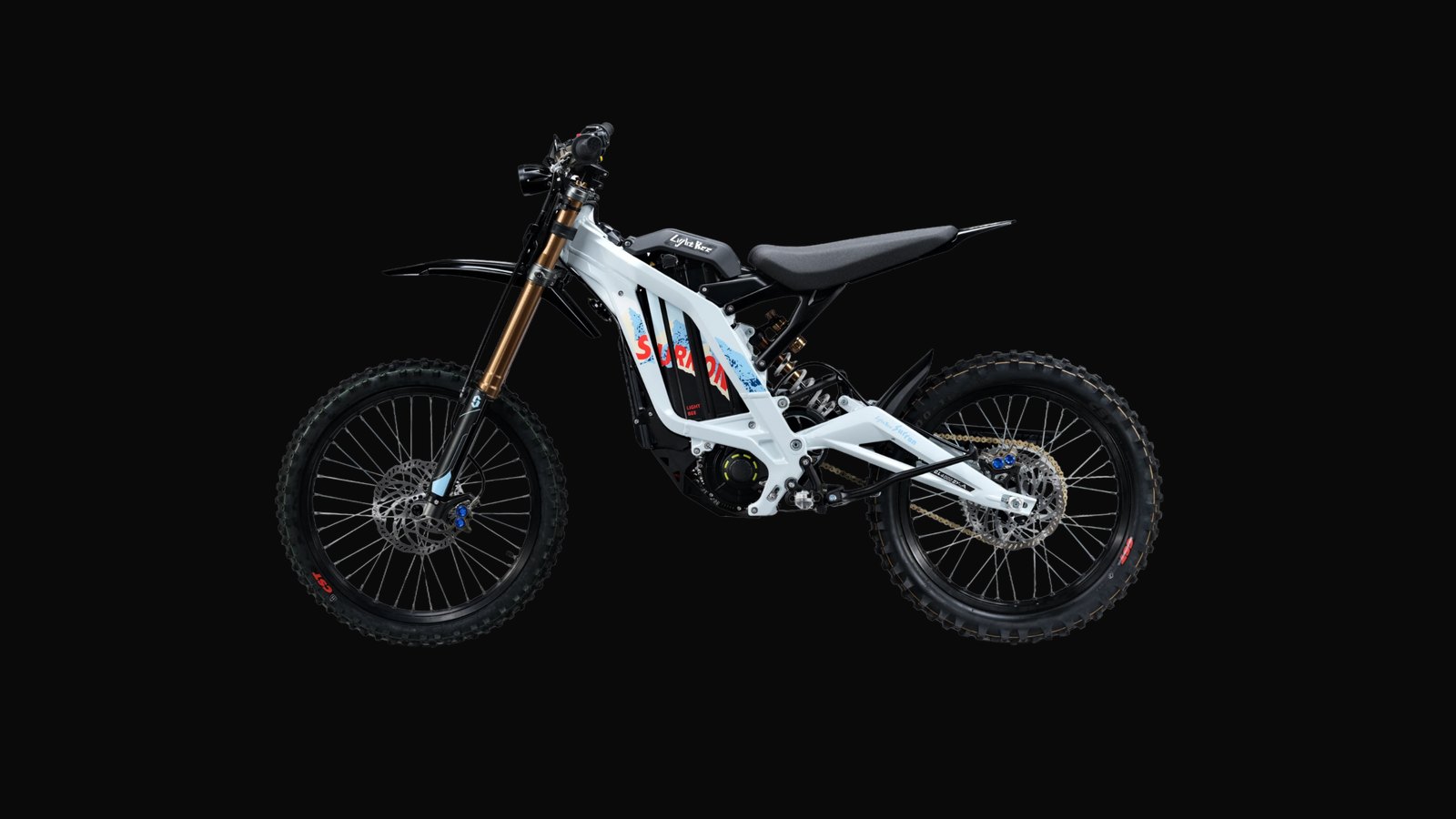
A used hub is the can in the wheel. Test it as above. Also unplug the brake cutoffs (Himiway: the most common ‘dead motor’ is a stuck brake sensor). Check the spoke magnet on mid-tails and many hubs — 3–5 mm gap, or PAS thinks the wheel is not turning and cuts assist. A used Bosch / Shimano / Specialized mid-drive is a different product: dealer diagnostic, error codes, serial that still talks to the brand. You do not hall-probe a Bosch CX on a tailgate. You ask the shop to plug in. A Marketplace ‘mid-drive’ with the harness cut is a paperweight. UL 2849 is the system — motor plus pack plus charger. A random used stator on a UL bike is how warranties die.
Geared hubs hide nylon planets. Direct-drive hubs hide magnets that can unglue and jam the stator (Himiway). Either way: spin, listen, wiggle. Then ohms. Then halls. Then a ride that is long enough for heat. Electric Bike Reviews’ used-bike checklist (2025): a good direct-drive is smooth from a stop. Rattle, buzz, or stutter on first throttle is internal, not ‘needs a tune.’
The short ride that actually tests it
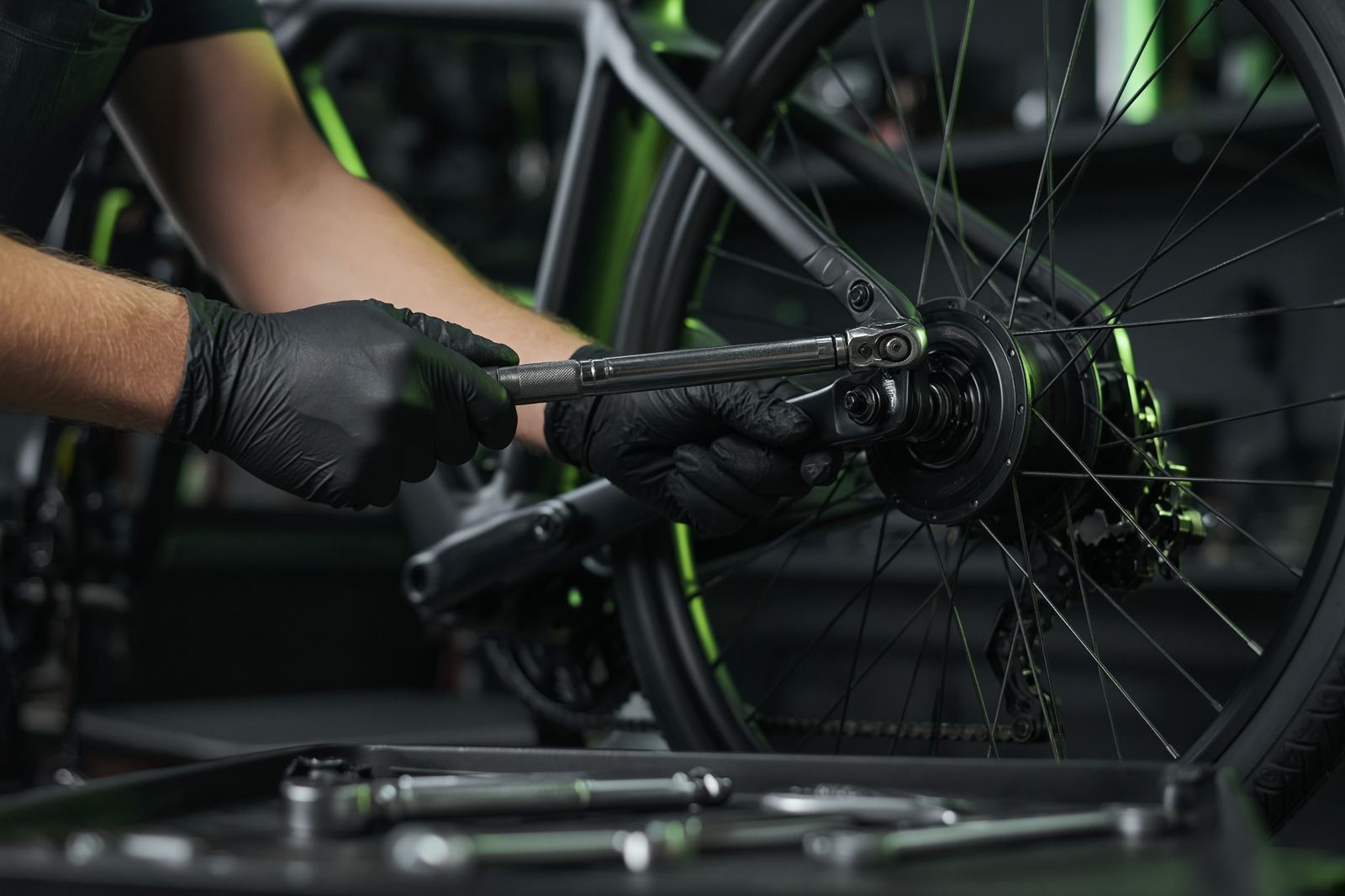
After the meter is clean: wheel up, lowest assist or a conservative map, then a loop you can walk back from. Smooth from a stop (halls). No cut at half stick (halls or a slipped magnet). No new grind after five minutes (bearing that was quiet cold). Can not too hot to touch (winding or a controller dumping DC into a short). Voltage sag is the pack, not the motor — that is the watt-hour article. If you are matching a used motor to a used box, no-load current at full stick should be the lowest of the hall/phase combinations (Letrigo). High no-load current is a bad pairing or a shorted stator. Stop. The mods list still says controller last. A used motor that needs a 900 A map to ‘feel alive’ is not alive.
Walk away: burnt smell, unmatched phase ohms, any phase-to-case beep, one hall stuck, green crust in the plug, a seller who will not unplug the controller, a ‘tuned’ Light Bee motor with no service photos, a Bosch-shaped can with the serial ground off. Buy: even ohms, three toggling halls, a dry can, a spin you can do with a finger, and a receipt that names the voltage. Then let a shop press bearings and pot the halls. This desk does not rebuild motors in a parking lot, and neither should a 13-year-old with a Tuttio and a Marketplace tab.
Questions people ask
How do I test a used ebike motor with a multimeter?+
Unplug the three thick phase wires. Phase-to-phase resistance should be low and even (hubs often under 1 Ω). No continuity to the case. Then, with halls powered, each of the three signal wires should toggle near 0 V and near 5 V as you rotate the motor (EM3EV, Letrigo, Jieli).
What does a bad hall sensor look like on a meter?+
A signal stuck high, stuck low, or not moving while the other two toggle. If all three are dead, check the ~5 V hall supply first — under about 4.5 V is often the controller regulator, not the motor.
How can I tell a shorted motor from a shorted controller?+
Spin the wheel with the bike off. If it is stiff, unplug the phase wires. Free after unplug = controller. Still stiff = motor (Seb G Light Bee phase check).
Why do used Sur-Ron motors fail halls?+
Water pools at the bottom of the can where the hall PCB sits (Doctorbass). A slipped rotor magnet can mimic a bad hall (db DirtyBike). Smell, rust, and a stutter off the line are the tells.
Can I run field weakening on a used stock Light Bee motor?+
Stock Sur-Ron motors are surface-magnet. High rpm plus field weakening is how magnets crack (Endless Sphere). If the used motor came off a ‘tuned’ 72V bike, measure ohms and smell it before you add current.
Should I do these mods or repairs myself?+
Do this at your own risk. Work with a qualified ebike or e-moto technician for wiring, batteries, brakes, and controller maps. SickEBike is an informational desk, not a shop. A wrong amp limit, a mismatched charger, or a bad bleed can start a fire or a crash.
Keep riding
GuidesAdvanced Controller Tuning
Phase amps are torque. Battery amps are the pack’s throat. Field weakening is extra RPM you pay for in heat. The app is not a dyno, and it is not a Class 2.
SEP 12, 2026 · 14 min
GuidesE-Bike Maintenance: The Complete Guide
Pre-ride to annual: chain, belt, brakes, tires, battery, torque, firmware. Mid-drives eat chains. Never pressure-wash the motor. At your own risk — a shop does bleeds and Bosch crates.
SEP 11, 2026 · 16 min
 Guides
Hub Motor vs Mid-Drive: Which Should You Buy?
Hub ignores the gears. Mid-drive uses them. Hills, cargo, range-per-Wh, chain bills, and the $1,500 line where the answer actually changes.
SEP 8, 2026 · 16 min