
Understanding Volts, Amps, and Watt-Hours
Voltage is pressure. Amps are flow. Watt-hours are the tank. The hangtag that only says 750W is selling you one of those three.
By SickEBike desk
The short answer
Voltage is pressure, amps are flow, watt-hours are the tank. Wh = volts × amp-hours. Compare packs in Wh, not Ah — a 36V 20Ah Bosch-style pack (~720Wh) matches a 48V 15Ah (720Wh). Watts = volts × amps; a 750W motor at 48V draws about 16A. Federal bicycle law still wants less than 750W, pedals, and motor-only under 20 mph.
Every spec sheet on this desk starts with three numbers, and most of the internet only argues about one of them. Volts, amps, watt-hours. They are not slang for “fast.” They are the pressure, the flow, and the size of the tank. Watts — the number on the motor hangtag — is just pressure times flow at a moment in time. Mix them up and you buy a 20Ah pack that is smaller than a 14Ah pack, or a “750W” bike that is actually a 30-amp controller on a 48-volt battery. This is a desk explainer with named 2026 bikes and published tests. It is not a physics lecture and it is not a dyno day. If you are still shopping, keep How to Buy an Ebike in 2026 open in another tab.
The three numbers, in plain English
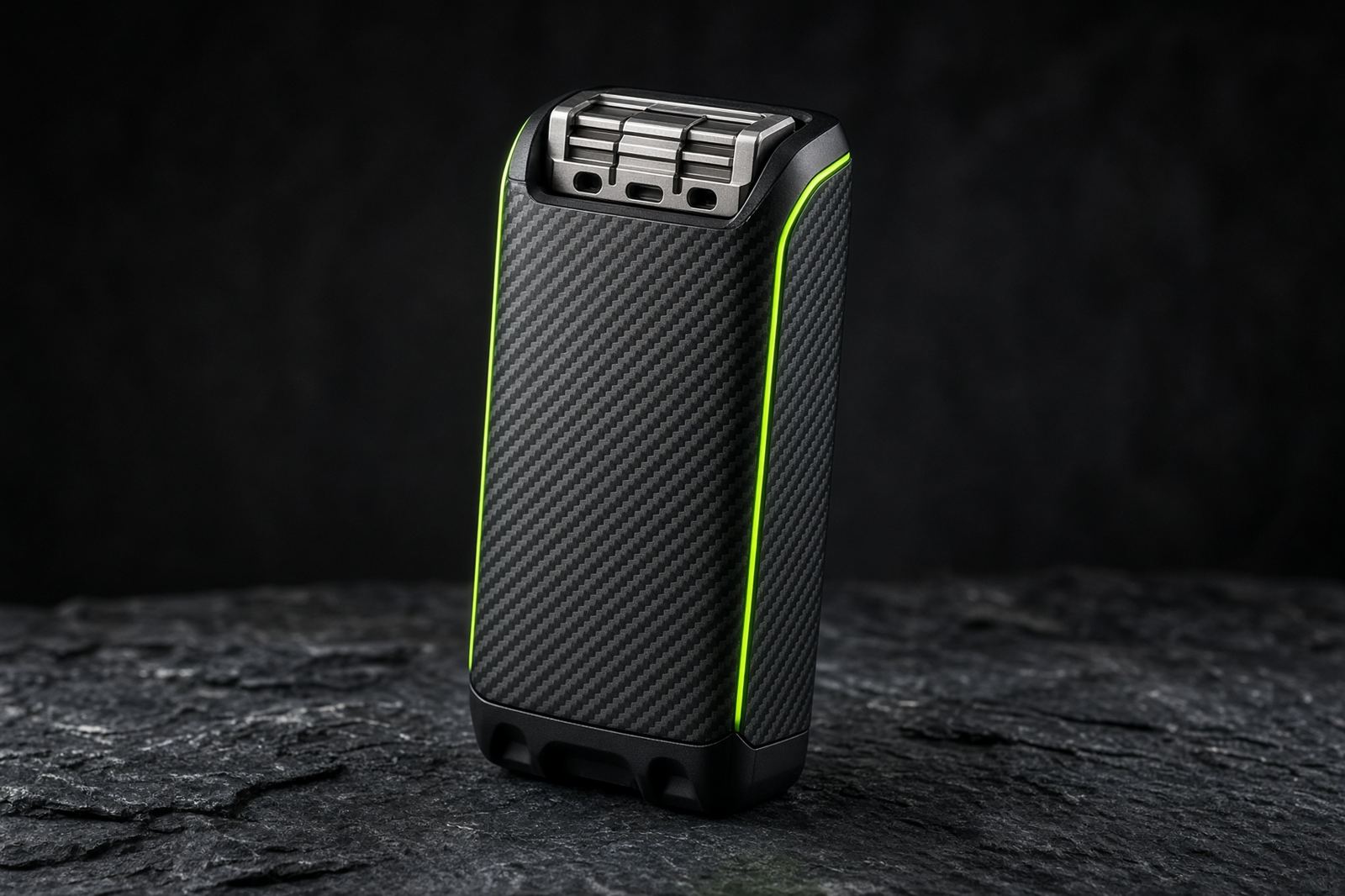
Voltage (V) is electrical pressure. A 48-volt pack pushes harder than a 36-volt pack, the way a taller water tower pushes harder on the pipe. Amp-hours (Ah) are how much charge the pack can deliver — gallons, if you like that analogy, not the pressure. Watt-hours (Wh) are the actual energy in the tank: pressure times gallons. The formula is not optional and it is not marketing:
Watt-hours = volts × amp-hours. Watts = volts × amps. Compare tanks in Wh. Compare motors in watts at a named voltage and current, not a peak-watt poem.
Electric Bike Report has been teaching this the same way for years: a 24V 20Ah pack and a 48V 10Ah pack both store about 480Wh. They do not feel the same on a hill. They do hold the same energy. Optibike’s battery lessons and EM3EV’s 2026 label guide say the identical thing. If a listing only prints Ah, multiply. If it only prints “52V,” you still do not know the tank.
How to read the label (and the charger)
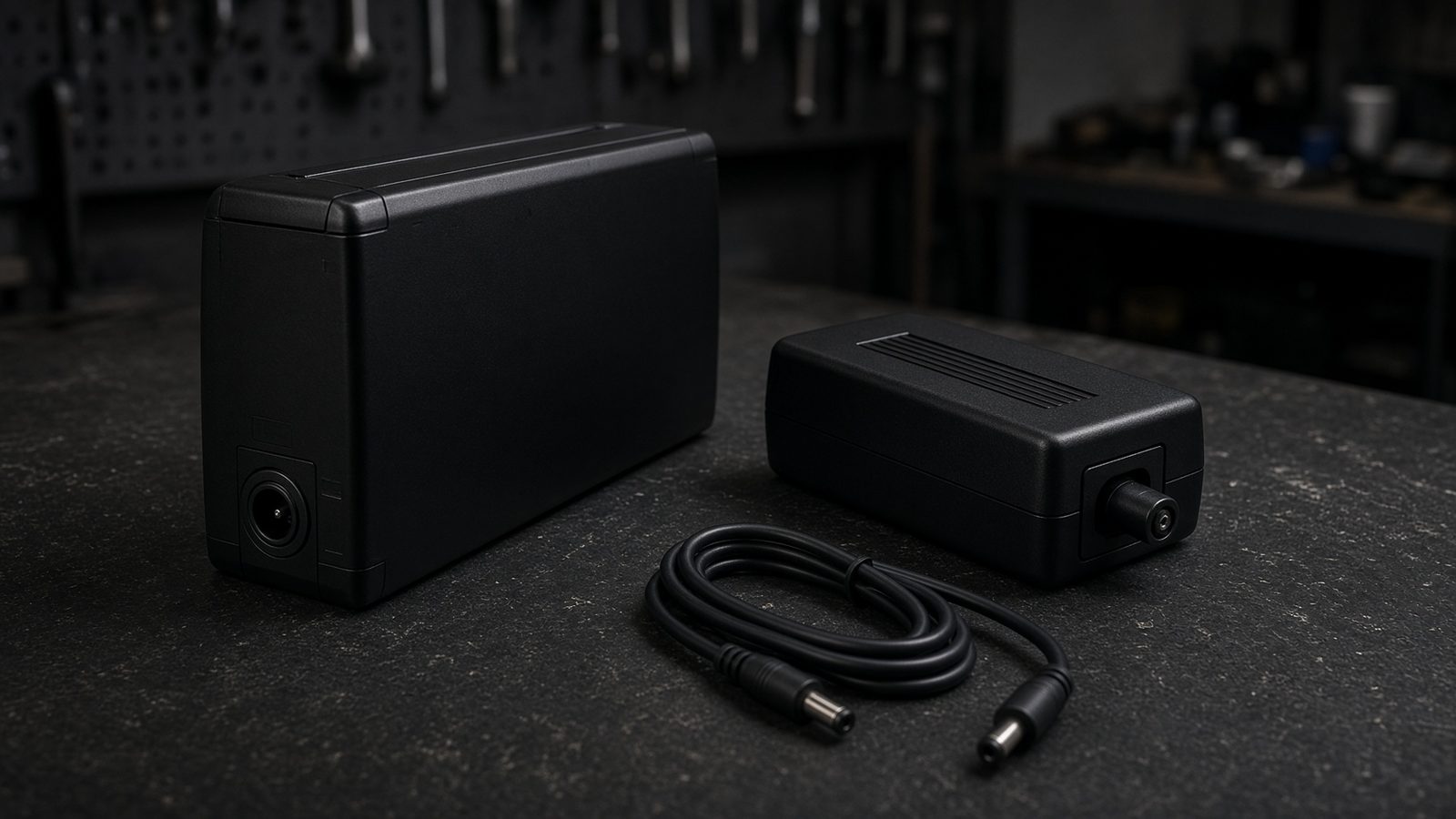
EM3EV’s September 2026 label guide is the order this desk uses: voltage class first, then Ah and Wh, then charge voltage and current, then the model number. A pack that says 48V 15Ah 720Wh is doing the math in public. A charger that says 54.6V 3A is not contradicting it. Lithium-ion cells are about 3.6–3.7V nominal and 4.2V full. Stack thirteen in series (13S) and you get a “48V” pack that sits around 54.6V on the charger. Fourteen in series (14S) is “52V,” full at 58.8V. Ten in series is the 36V world Bosch still lives in. Twenty in series is the 72V world Sur-Ron Light Bee X lives in.
Nominal vs full-charge voltages for common lithium-ion series counts. Charger voltage must match the pack chemistry, not the marketing name. Sources: EM3EV, Favoritebikes, Bosch pack sheets.
| What the box says | Cells in series | Nominal | Full (typical charger) |
|---|---|---|---|
| 36V (Bosch, many EU mid-drives) | 10S | ~36V | ~42.0V |
| 48V (most U.S. Class 2 hubs) | 13S | ~48V | 54.6V |
| 52V (Heybike Villain, many DIY) | 14S | ~52V | 58.8V |
| 60V (Talaria Sting R MX4) | 16S-class | ~60V | maker-specific |
| 72V (2026 Light Bee X) | 20S-class | ~72V | ~84V |
Do not put a 58.8V brick on a 48V pack because a forum said it would “top it off.” You are charging past the cell’s 4.2V and asking the BMS to save your garage. UL 2849 is a system mark — bike plus pack plus the matched charger. NYC and California already treat that as the floor. The CPSC’s June 2026 micromobility proposal was not a final federal rule as of 20 September 2026. Charge with the brick that came in the box.
Watt-hours are the tank. Range is the road.
A watt-hour is one watt for one hour. A 500Wh pack can theoretically hold 500W for an hour, or 250W for two. It will not, because hills, wind, rider mass, tire pressure, and Turbo exist. Ebike Classifieds UK (August 2026) still quotes a common planning band of about 10–20Wh per mile. That is a band, not a promise. The useful move is to take a published loop and divide.
Electric Bike Report’s 31 March 2026 Aventon Level 4 REC test is the cleanest U.S. camera number this desk has for a 733Wh hub pack: 43.8 miles in Turbo, 97 miles in Eco. 733 ÷ 43.8 is about 17Wh per mile. 733 ÷ 97 is about 7.5Wh per mile. Same battery. Same bike. Assist level more than doubled the tank’s miles. The ADV mid-drive on an 800Wh pack went 54.6 Turbo and 120.8 Eco on the same protocol — more tank and a motor that uses the gears. That pair is why this desk will not print “up to 75 miles” without naming the mode.
Named 2026 packs this desk already covers. Wh = V × Ah at nominal voltage, except where the brand prints Wh directly (Bosch, Specialized, Aventon). E-moto packs are energy, not bicycle class.
| Pack | Voltage | Capacity | Energy |
|---|---|---|---|
| Bosch PowerTube 625 | 36V | 16.7Ah | ~625Wh |
| Bosch PowerTube 800 | 36V | 21.3Ah | ~800Wh |
| Aventon Level 4 REC | — | — | 733Wh |
| Aventon Level 4 ADV | — | — | 800Wh |
| Aventon Aventure 3 | — | — | 733Wh |
| Specialized Levo 4 | — | — | 840Wh |
| Tuttio Soleil01 | 48V | 21Ah | ~1,008Wh |
| Heybike Villain | 52V | 26Ah | 1,352Wh |
| Sur-Ron Light Bee X MY26 | 72V | 35Ah | ~2,520Wh |
| Talaria Sting R MX4 | 60V | 45Ah | ~2,700Wh |
Look at that table until the Ah trick dies. Bosch’s 36V 21.3Ah PowerTube 800 is about 800Wh. Tuttio’s 48V 21Ah is about 1,008Wh. Same-looking amp-hour number, a quarter more energy, because voltage is higher. Favoritebikes (January 2026) and EM3EV both note that a 52V pack at the same Ah as a 48V pack stores about 8% more energy — 52×20=1,040Wh vs 48×20=960Wh — and that range still depends on how hard you ride. Voltage is not a range cheat code. Wh is the tank. Speed and hills drink it.
Watts, amps, and the 750W law
Instant power is watts. Watts = volts × amps. A motor drawing 15.6A from a 48V pack is doing about 750W. The same 750W at 36V needs about 21A. At 52V it needs about 14A. Higher voltage, less current for the same watts, less heat in the wires and the controller. That is why 52V and 72V builds show up on dirt bikes and why Bosch can stay on 36V with a large Ah count — they sized the tank in watt-hours, then kept current polite.
The controller is the valve. A “750W” hub with a 25A controller on 48V can burst past 1,200W for a few seconds (48×25=1,200). Marsantsx (January 2026) walks the same arithmetic for “1000W peak” claims: at a sagging 44V you need more amps to hold the same watts, and many stock controllers are 15–18A continuous with a 25A peak. Ebikes.ca has been saying the quiet part for a decade: the rating on the motor is not the power. The battery voltage times the controller current is the power the system is allowed to make. Peak is a few seconds. Continuous is what climbs the hill without cooking.
U.S. product law cares about the motor, not your forum controller. 15 U.S.C. § 2085 defines a low-speed electric bicycle as fully operable pedals, an electric motor of less than 750 watts, and motor-only speed under 20 mph for a 170-pound rider. It does not say “peak.” It does not say “nominal.” Amazon titles that print 1,200W peak on a Class 2 hangtag are not doing the CPSC’s homework. Class 1, 2, and 3 then decide where you may ride. A 4,160W Heybike Villain or a 10 kW Light Bee is an e-moto. Different tank, different law.

48V vs 52V vs 36V vs 72V — what actually changes
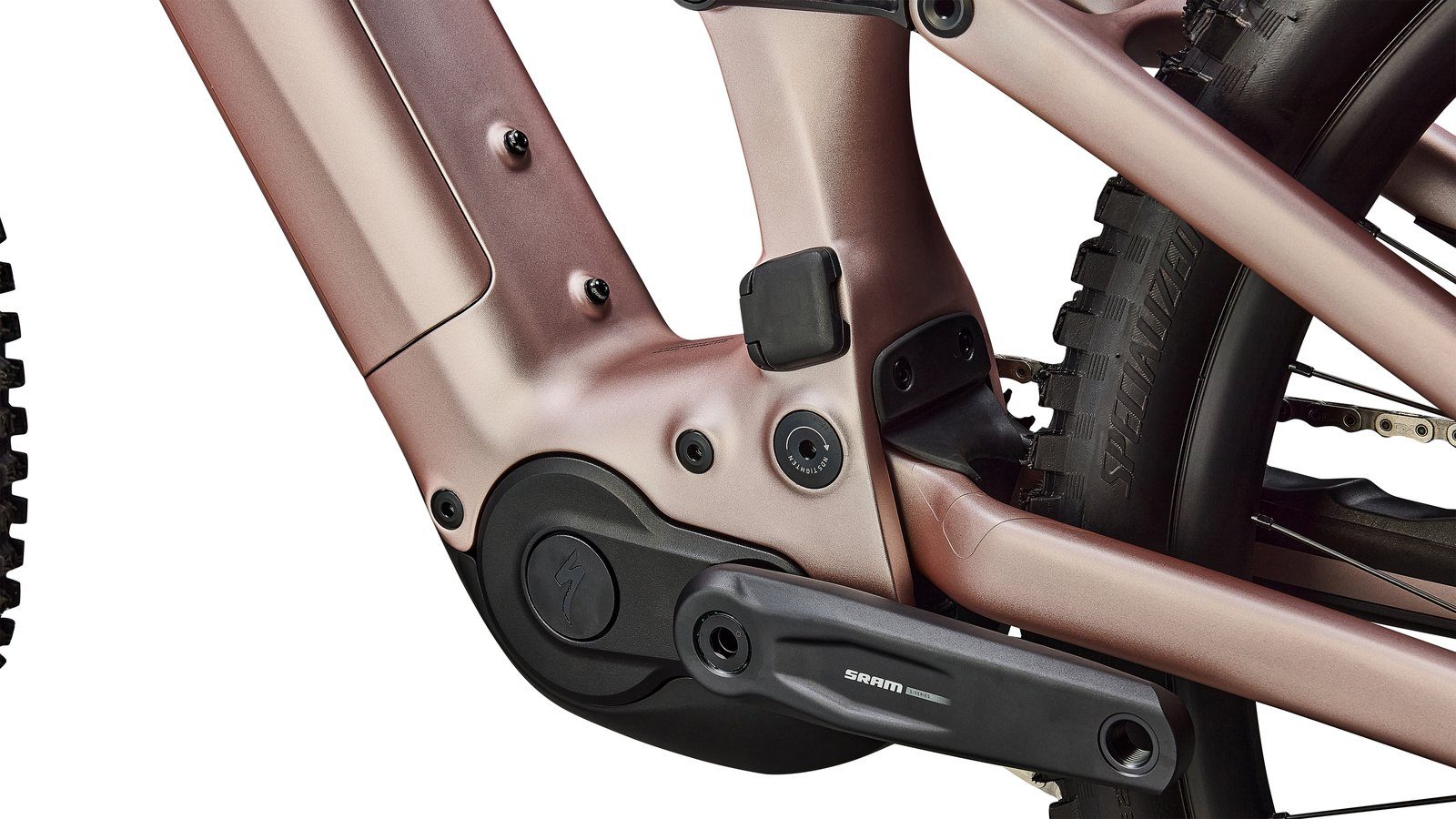
36V is the dealer mid-drive world. Bosch PowerTube 400 through 800 are all 36V on the 2026 U.S. battery page. PowerTube 625: 16.7Ah, ~625Wh, about 7.9 lb. PowerTube 800: 21.3Ah, ~800Wh, about 8.6 lb. Specialized’s Turbo Levo 4 prints 840Wh on the 3.1 system. Those packs look “small” in Ah next to a 48V 20Ah Amazon brick. They are not. 36×20 is 720Wh. Compare Wh.
48V is the U.S. Class 2 default: RadRover 6 Plus, most Lectric and Aventon hubs, Tuttio Soleil01. 52V is one cell-group up — the Villain, a lot of DIY Bafang kits, a bit more headroom at the top of the charge so the motor does not go anemic as the pack sags. Booant’s 2026 voltage guide is honest about the trap: 52V does not magically add 20 miles. It adds about 8% energy at the same Ah, and it wants a controller and charger that were built for 58.8V full.
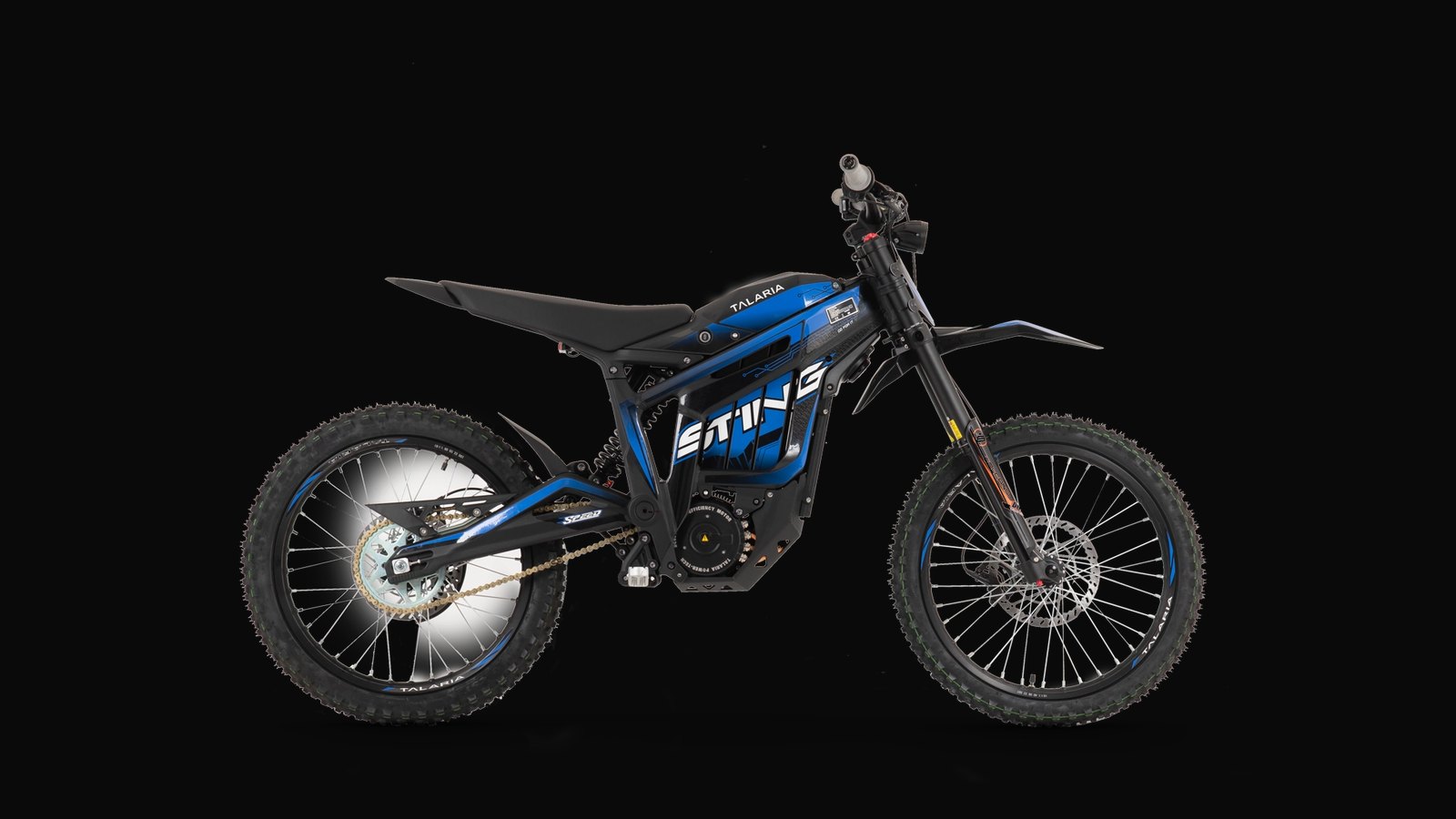
60V and 72V are e-moto voltages. Talaria Sting R MX4 is 60V 45Ah — about 2.7 kWh, more than three Bosch 800s. The 2026 Light Bee X is 72V 35Ah — about 2.5 kWh. You need that energy because you are making 8–10 kW, not 750W. You also leave the bicycle definition. Do not put a 72V pack on a 48V commuter because the connector fit. The connector is not the spec.
Voltage sag, cold, and why 50% is not half the tank
A lithium pack’s voltage falls as you drain it and as you pull hard. That dip under load is sag. A “48V” pack at 42V on a steep driveway is still the same pack; the controller now needs more amps to hold the same watts, which makes more heat, which is how hubs cook on 10% grades — the hub vs mid-drive story in electrical clothes. Mid-drives use gears to keep motor RPM (and efficiency) up. They still drink watt-hours. They just waste fewer of them as heat in the windings.
Cold is chemistry. Lithium ions move slower. Range falls. The fall kit piece is the practical version: bring the pack inside overnight, charge at room temperature, plan a shorter loop. Display percentage is usually a voltage-to-empty map, not a coulomb counter. 50% on a cheap display is not a promise of half the watt-hours. If you need the real drain, you want a readout that shows watts and amp-hours used, not a happy face.
Storage: do not leave lithium at 100% in a hot garage for a month. Do not store it at 0% and forget it. Maintenance 101 is the shop-light version. 40–80% on the shelf is the grown-up habit. Cycles (a full 0–100 and back) wear the pack; shallow daily charges wear it less. Bosch and the big cell makers still quote hundreds of cycles to a residual capacity, not infinity.
A 60-second buying checklist
Ignore Ah until you have converted it. Ignore peak watts until you know voltage and controller current. For a U.S. Class 2 commute, a 500–750Wh pack is a day’s work for most riders; 733–800Wh is the 2026 commuter sweet spot Aventon and Bosch are actually selling. For cargo and hills, buy Wh and a mid-drive, not a 52V sticker. For dirt, buy the voltage the bike was designed around — 48V Tuttio, 52V Villain, 60V MX4, 72V Light Bee — and do not mix chargers.
Then read the law. Less than 750W, pedals, motor-only under 20 mph is the federal bicycle. Everything else is an e-moto or a moped depending on the state. New Jersey wants a plate. California wants UL and a Class 3 helmet. The electrical system does not care. The cop does. Shop the tank in watt-hours. Shop the motor in volts times amps. Shop the path in class. That is the whole subject.
Questions people ask
What is the difference between volts, amps, and watt-hours on an ebike?+
Volts are electrical pressure. Amps (and amp-hours) are charge flow and charge capacity. Watt-hours are stored energy: volts times amp-hours. Watts are instantaneous power: volts times amps.
Is a 52V battery better than 48V?+
At the same amp-hours, 52V stores about 8% more energy (52×20=1,040Wh vs 48×20=960Wh). Range still depends on speed, hills, and assist. The charger and controller must be rated for 58.8V full, not 54.6V.
Why do Bosch packs look small in amp-hours?+
Bosch PowerTubes are 36V. 21.3Ah × 36V is about 800Wh (PowerTube 800). A 48V 20Ah pack is 960Wh. Compare watt-hours, not Ah.
How many watt-hours do I need?+
Electric Bike Report’s Level 4 REC (733Wh) did 43.8 miles Turbo and 97 Eco. That is about 17Wh/mi vs 7.5Wh/mi on their loop. A 500–800Wh commuter pack is a day’s work for most U.S. Class 2 riders. E-motos run 1–2.7 kWh because they make kilowatts, not 750W.
Can I use a 52V charger on a 48V battery?+
No. A 48V (13S) pack charges at 54.6V. A 52V (14S) pack charges at 58.8V. UL 2849 is the bike plus pack plus matched charger. Wrong brick is how cells go past 4.2V.
Does 750W mean the motor never makes more than 750 watts?+
Usually no. 750W is the U.S. low-speed electric bicycle motor threshold (15 U.S.C. § 2085). Controllers can burst higher (watts = volts × amps). Peak is seconds. Continuous is the climb. Peak-watt Amazon titles are not the CPSC number.
Should I do these mods or repairs myself?+
Do this at your own risk. Work with a qualified ebike or e-moto technician for wiring, batteries, brakes, and controller maps. SickEBike is an informational desk, not a shop. A wrong amp limit, a mismatched charger, or a bad bleed can start a fire or a crash.
Keep riding
 Guides
Understanding E-Bike Power: Watts, Volts, Amps & Torque
Watts are power. Peak is a few seconds. Nominal is the legal number. Torque is the shove. Compare spec sheets on those four, not a 2000W Amazon title.
SEP 10, 2026 · 15 min
GearUL 2849, Chargers, and the Kit That Keeps a Pack from Becoming a Fire
NYC made certification law. The CPSC wants it federal. Charge with the matched brick.
SEP 16, 2026 · 7 min
 Guides
Hub Motor vs Mid-Drive: Which Should You Buy?
Hub ignores the gears. Mid-drive uses them. Hills, cargo, range-per-Wh, chain bills, and the $1,500 line where the answer actually changes.
SEP 8, 2026 · 16 min