
E-Bike Battery Fires: Risk, Causes & Prevention
CPSC counted 19 e-bike fire deaths in 13 incidents (2017–2024). NYC deaths fell after UL law, not because lithium got nicer. Matched charger, UL 2849, don’t block the exit.
By SickEBike desk
The short answer
E-bike lithium fires are a small share of e-bike deaths but deadly in apartments. CPSC: 19 fire deaths in 13 incidents (2017–2024), many homemade packs or shops. NYC fire deaths fell 18→6→1 after Local Law 39 required UL 2849/2271. Use the OEM charger, don’t block the exit, don’t buy Amazon replacements. If it vents: get out and call 911.
E-bike battery fires are rare next to crashes, and still how people die in hallways. CPSC’s April 2026 micromobility report: 310 e-bike fatalities 2017–2024; motor vehicles and control issues led. Nineteen of those deaths sat in 13 lithium-ion fire incidents — 7 tied to homemade packs or bike-repair shops, 2 while charging, 1 after a pack in water, 8 with no charging note. FDNY deaths in New York City fell from 18 (2023) to 6 (2024) to 1 (2025) after Local Law 39 wrote UL 2849 / 2271 / 2272 into the sale rule. Incidents did not vanish: Gothamist, 21 August 2026, had FDNY at 282 lithium-ion investigations year-to-date versus 292 in all of 2025. Buy a certified system, use the brick that came with it, charge where you can leave, and never block the door. This is prevention. It is not a chemistry class. Mods, rebuilds, and Amazon ‘48V Hailong’ packs: at your own risk — work with a qualified tech, or do not.
How Common Are Battery Fires?
Common enough that cities wrote law; rare enough that a UL bike charged on tile is not a lottery ticket. CPSC NPR (Federal Register 24 June 2026): 227 unique micromobility lithium-ion incidents 2019–2023; 195 were fires (86%); 39 fatalities and 181 injuries in 90 of those incidents; 120 of 227 (53%) while plugged in. For e-bikes alone, staff’s 145 in-depth investigations found fire in 106; 62 of those 106 started while charging, 13 idle, 4 in use, 5 during battery swap (including two shops). London Fire Brigade: 206 e-bike and e-scooter fires in 2025, about 83% e-bikes. FDNY 2023 peak was 268 investigations and 18 deaths; UL Standards & Engagement (21 April 2026) cited the 2025 death count at one. Fires can still rise while deaths fall — July 2026 FDNY briefing: 235 investigations vs 138 at the same point in 2025, with the increase in outdoor/non-structural fires. Crashes still kill more riders. Hallway smoke kills families. Both can be true.
Named desks, not a national registry. FDNY is all lithium-ion mobility in the five boroughs, not ‘e-bike only.’ CPSC e-bike fire deaths are a subset of 310 total e-bike deaths.
| Source | What they counted | Number |
|---|---|---|
| CPSC Apr 2026 | E-bike deaths 2017–2024 | 310 total; 19 in 13 Li-ion fire incidents |
| CPSC NPR 2019–2023 | Micromobility Li-ion incidents | 227; 195 fires; 39 deaths; 53% while charging |
| FDNY / ULSE | NYC Li-ion fire deaths | 18 (2023) → 6 (2024) → 1 (2025) |
| Gothamist 21 Aug 2026 | FDNY Li-ion investigations | 282 YTD 2026 vs 292 all of 2025 |
| London Fire Brigade | E-bike + e-scooter fires 2025 | 206 (≈83% e-bikes) |
Why Lithium Batteries Fail
A pack is cells, a battery-management system, a case, and a charger that agrees on voltage. Failure is almost always abuse or a missing BMS, not ‘lithium is illegal.’ Overcharge past ~4.2 V per cell, a dent that pinches a separator, water in the can, a cell from a pallet that never saw a cycle test, or a controller map that pulls more amps than the pack was balanced for. Watt-hours are energy. They are also fuel if that energy leaves as heat instead of miles. CPSC’s own e-bike fire-death split is the pattern: homemade packs and shops, charging, water, and a pile with no charging data. Certified systems fail less because UL tests overcharge, short, water, vibration, and whether the BMS actually stops a bad state.
Poor-Quality Cells
Grade-A cells from named makers (Samsung, LG, Panasonic, and the packs Lectric/Aventon/Bosch actually ship) are not the CPSC warning letters. Recycled laptop 18650s in a ‘72V 20Ah’ Amazon brick are. The June 2026 TechTimes roundup on Ridstar: CPSC documented fires on uncertified packs; some ignited in storage, not on the charger; Rad Power, UPP, and Ridstar had refused-recall stories in that same window. The through-line in nearly every stop-use letter is no accredited-lab mark. ‘UL-listed cells’ on a listing is not UL 2271 on the pack. A cell can be a legitimate 18650 and still sit in a case with no working BMS. Buy the bike’s pack, not the aisle.
Charger Problems
The brick sets the ceiling voltage. A 54.6 V charger on a 48 V pack (13S) is in family. A 58.8 V or 71.4 V ‘fast’ brick from a marketplace is how cells go past 4.2 V. CPSC’s 145 e-bike IDIs included aftermarket packs/chargers in the charging fires and five cases of bad wiring or overloaded extension cords. Matched charger, direct wall, not a cheap strip at the end of a 50-foot cord. Unplug when full. The existing kit piece is UL 2849, chargers, and the brick. Lost the OEM charger? Order the OEM. Do not ‘make it work’ with a 2 A Amazon lookalike. At your own risk if you mix voltages; a shop or the brand does that part.
Physical Damage
Drop a pack off a tailgate, crack the case, pinch it in a car door, or ride a through-axle into a curb hard enough to crease the rail. A bent can that still reads 54 V is not fine. Internal shorts from a crushed separator are how idle packs go up in a closet (FDNY PSA: they do not need to be charging). CPSC counted at least one e-bike fire death after a bike in water; swelling, a rattling cell, a case held with tape, or a smell of electrolyte is a walk-away. Do not wrap it in electrical tape and keep commuting. Recycle it at a battery drop, not the dumpster. Used-motor tests do not make a dented pack safe.
Water Damage
IPX5 on an XP4 or XP Trike 2 is rain, not a pressure washer or a flooded basement. Water plus a live pack is corrosion in the BMS and a short that shows up a week later. Himiway’s hub-failure note and Sur-Ron hall failures are the same water path in a different can. Dry the outside, never open the pack to ‘dry the cells,’ never put a wet pack on the charger to ‘see if it works.’ Charge only after it has sat dry and the case is intact. A pack that hissed after a storm is done.
Modified Batteries
CPSC: 7 of 19 e-bike fire deaths were homemade packs or bike-repair-shop work. That is the single largest named bucket in their fatality split. Spot-welded 18650s in a plastic case, a 72 V ‘range extender’ on a 48 V bike, a second pack in parallel with no common BMS, a Sur-Ron 72 V pack on a 60 V MX4 — those are how thermal runaway gets a head start. Mods we like on batteries: none, except the OEM second pack the brand sells. Controller maps that raise current heat cells the BMS was sized for. Do this at your own risk. Work with a professional. SickEBike is not a pack shop.
Thermal Runaway
One cell shorts. Heat ruptures it. Adjacent cells go. The pack vents hot gas, then flame, then a jet that does not care about a kitchen extinguisher. CPSC’s NPR text is the same chain: ‘The intense heat generated by the failing cell may initiate thermal runaway in adjacent cells.’ It can start on the charger (overcharge, bad brick) or off it (damage, internal short). UL’s e-mobility note: these events are closer to an explosion than a wastebasket fire; there is little notice. You do not ‘watch it’ once it is hissing. You leave. The chemistry does not wait for you to find a Class D extinguisher you do not own.
Warning Signs
Smell of solvent or burnt plastic. Pack hotter than warm after a gentle charge. Hissing, popping, sweet-chemical odor. Swelling so the case will not sit in the rail. Smoke, even a wisp. A charger that stays hot with the pack already at 100%. Error codes that mean over-temp, then you plug it in anyway. If any of those show up: off the charger, out of the living space if you can do it without holding a smoking case, away from the exit, call the fire department if it is venting. Do not put it in a bathtub as a project. Do not hide it in a closet overnight ‘to check in the morning.’
Safe Charging
OEM charger, OEM pack, hard non-flammable surface (tile, concrete, metal tray), not a bed, couch, or carpet. Where you can see it. Not overnight if you can avoid it — Princeton EHS and LFB #ChargeSafe both say do not leave it unattended while you sleep. Not in front of the only door (ULSE: 49% of home chargers admitted to blocking an exit). Unplug when full. Direct wall, not a daisy-chain strip. Room temperature, not a 20°F garage then a 2 A brick. FDNY: charge and store outside where possible. Inside, a closed mudroom that is not the stairwell beats the bedroom. How to buy is still UL first; this paragraph is what you do after the box arrives.
Safe Storage
Forty to eighty percent if the bike sits. Not 100% in a hot car. Not 0% in a shed until spring. Indoors for the pack if the bike lives on a porch; removable batteries exist for this. Away from exits, curtains, and the water heater. A second pack is a second fuel load — do not stack them on a dresser. FDNY July 2026: non-structural (outdoor) lithium fires are up; that is still better than a 3 a.m. hallway. Recycle at a battery program, never trash. A swollen pack is not ‘storage.’ It is a disposal problem the same day.
UL 2271
UL 2271 is the pack: batteries for light electric vehicles. Overcharge, short, crush, water, the BMS. NYC Local Law 39 (sale/lease/rent since 16 September 2023) wants it on the battery. A listing that says ‘built with UL cells’ has not passed 2271. Look for the file number and the words 2271 on the case or the brand’s cert page. XP4, XP Trike 2, Aventon current bikes: 2271 on the pack is table stakes in 2026. A 2271 pack on a random charger is still a mismatch. The pack test is not the system test.
UL 2849
UL 2849 is the e-bike electrical system: pack + charger + controller + wiring together. That is the mark California SB 1271 uses for new bikes sold or leased (1 January 2026) and the mark NYC wants to sell. CPSC’s 24 June 2026 NPR proposes a federal micromobility battery rule built on UL 2849-20 with extra performance and labeling; comments ran through 24 August 2026. As of 21 September 2026 it is still a proposal, not a final CFR. Staff thought modified 2849 would have addressed about 84% of identified e-bike battery incidents and 7 of 9 deadly e-bike incidents in that set. UL 2272 is the scooter sibling (Max G3). Full kit: UL 2849 article. Shop as if 2849 is the floor even where it is not yet law.
Buying Replacement Batteries
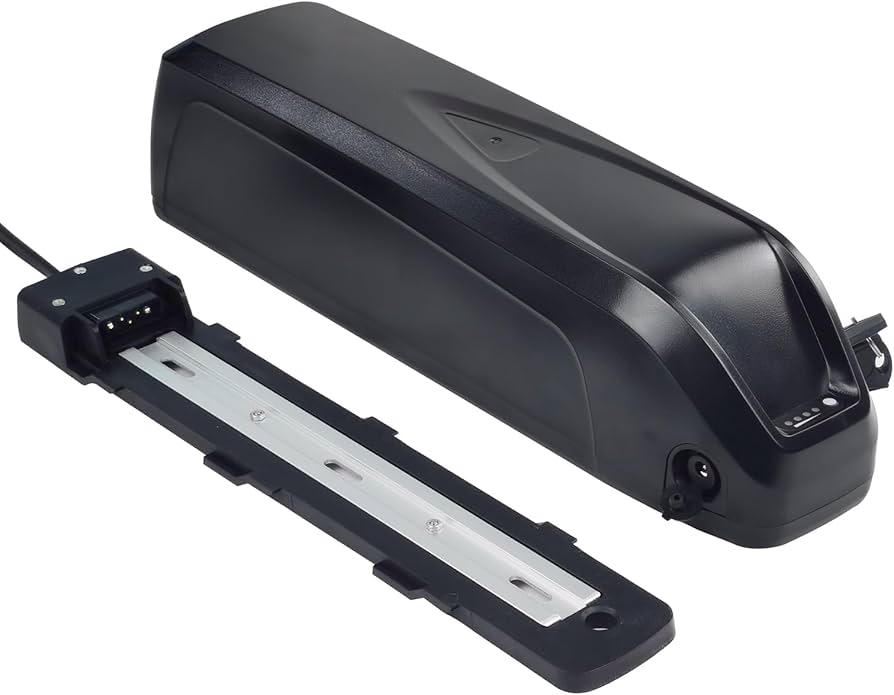
From the brand, with the same voltage, connector, and BMS handshake, UL 2271 on the case. Not Amazon ‘48V 14Ah fit Rad.’ Not a Facebook 72 V ‘range’ brick. Not a rebuilt pack from a locker. CPSC stop-use letters (Ridstar, certain Rad/UPP, VIVI, FENGQS in 2025–2026 coverage) keep landing on uncertified replacements. A second OEM pack is how you actually get range, not a parallel tap. If the brand is gone (confirm Rad after Life EV), a dealer that still warrants 2271 packs is the path; a lookalike Hailong is how you buy a fire. At your own risk if you ignore that. A shop that will not put their name on the pack should not install it.
What to Do During a Battery Emergency
If it is smoking, popping, or jetting: get people out. Close a door between you and the pack if that does not cost you the exit. Call 911 (or 311 in NYC to report an unsafe charging setup before it vents). Do not pick it up. Do not carry it down a stairwell. Do not throw water from a saucepan and stay to watch. Firefighters use large volumes of water; that is their job with hose lines, not yours with a sink. UL and FDNY both describe little notice — treat it like an explosion risk, not a toaster. If you are unhurt and the pack is only warm and swollen, still get it out of the living space without standing over it, then treat it as hazardous waste, not a DIY teardown. Tell the dispatcher it is a lithium-ion micromobility battery so they send the right assignment.
Prevention is the only good ending: UL 2849 bike, 2271 pack, OEM charger, tile, not the doorway, not a rebuilt Hailong, not a map that doubles current. How to choose the bike; this page is how you do not burn the hallway. Rebuilds, series-parallel experiments, and ‘fast’ bricks: at your own risk, and with a professional, or not at all.
Questions people ask
How common are e-bike battery fires?+
CPSC counted 19 e-bike fire deaths in 13 incidents 2017–2024, of 310 total e-bike deaths. NYC lithium-ion fire deaths fell from 18 (2023) to 1 (2025) after the UL sales law; FDNY still logged hundreds of investigations.
What causes e-bike batteries to catch fire?+
Uncertified or homemade packs, the wrong charger, physical or water damage, and charging unattended. CPSC’s fatality split puts homemade packs and repair shops first. Thermal runaway can start off the charger.
Do e-bike batteries have to be charging to catch fire?+
No. FDNY’s PSA is that packs ignite in storage. CPSC e-bike IDIs: 13 of 106 fire reports were idle. Charge location still matters — 62 of 106 started while charging.
What is the difference between UL 2271 and UL 2849?+
2271 tests the pack. 2849 tests the whole e-bike electrical system (pack + charger + controller). NYC and California want both. UL 2272 is the scooter standard.
What should I do if an e-bike battery is smoking?+
Get out, close a door if it does not cost you the exit, call 911, and tell them it is a lithium-ion micromobility battery. Do not pick it up or fight the jet with a kitchen extinguisher.
Is it safe to buy a replacement battery on Amazon?+
Only if it is the brand’s own UL 2271 pack with the matched connector. Generic ‘fits Rad / Hailong’ bricks are the pattern in CPSC warning letters. At your own risk otherwise — use a shop.
Should I do these mods or repairs myself?+
Do this at your own risk. Work with a qualified ebike or e-moto technician for wiring, batteries, brakes, and controller maps. SickEBike is an informational desk, not a shop. A wrong amp limit, a mismatched charger, or a bad bleed can start a fire or a crash.
Keep riding
 Gear
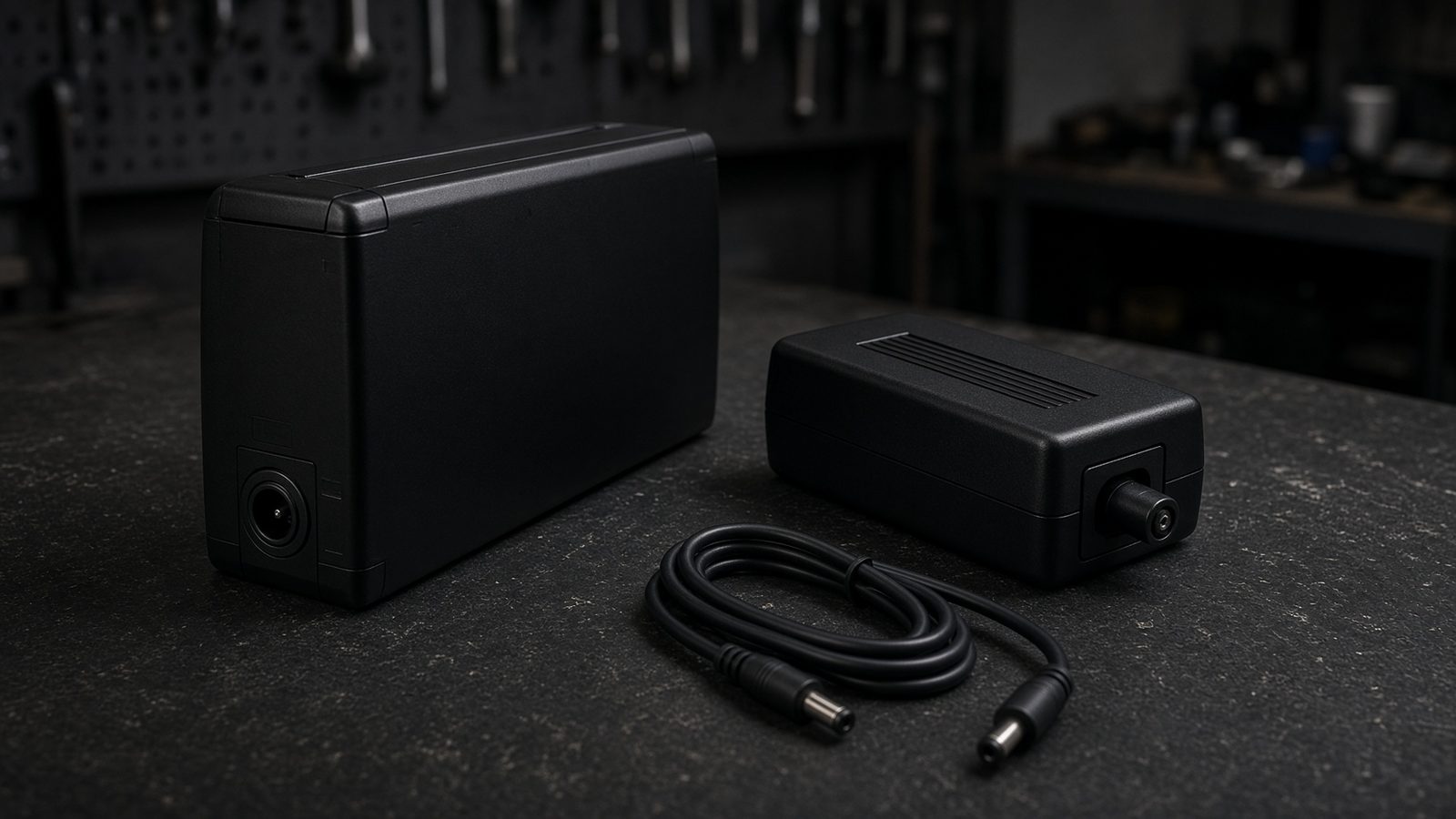
GearUL 2849, Chargers, and the Kit That Keeps a Pack from Becoming a Fire
NYC made certification law. The CPSC wants it federal. Charge with the matched brick.
SEP 16, 2026 · 7 min
 Guides
How to Buy an Ebike in 2026 Without Getting Burned
Class, UL, watts, and the shop that will bleed the brakes.
SEP 17, 2026 · 9 min
 Guides
Understanding Volts, Amps, and Watt-Hours
Voltage is pressure. Amps are flow. Watt-hours are the tank. The hangtag that only says 750W is selling you one of those three.
SEP 9, 2026 · 14 min