How to Choose the Right E-Bike
Ride job first, then class, motor, watt-hours, and the shop that will still exist. Not peak watts. Not the 85-mile ad.
By SickEBike desk
The short answer
Choose an e-bike from the ride: commute, cargo, trail, fold, or trike. Then match Class 1/2 (20 mph) or Class 3 (28) to the path, a hub or mid-drive to the hills, and a pack in watt-hours. UL 2849, hydraulics at real weight, a shop if it has a cassette. Ignore peak-watt ads and Eco-at-10-mph range.
Choose the e-bike from the ride, not the listing. Write down the job (commute, groceries, trail, kids, RV, gravel), the slowest place you will actually ride, and whether you can carry 70 lb up stairs. Then buy the class that matches that path, a hub or mid-drive that matches the hills, and a pack in watt-hours — not amp-hours on a 36 V sticker. UL 2849 on the system. Hydraulics if you weigh anything or go 20. A shop if the bike has a cassette. The five red flags (class vs route, frame label, UL, real watts, who bleeds the brakes) live in how to buy without getting burned. This page is the chooser: job → spec → hangtag.
Start With How You’ll Ride
One sentence, written down: ‘I ride X miles, Y days a week, on Z surface, with this much stuff, and I store it here.’ A 7-mile paved commute with a garage is a Class 2 hub commuter. A 15 mph Riverwalk is not a Class 3 unlock. Stairs are a 35 lb Brompton, not a 91 lb XP Trike 2. Two kids is a Tern GSD (200 kg GVW), not a 75 lb rear rack. Off-road throttle dirt is a Light Bee X, which is not an e-bike. If you cannot finish the sentence, you will buy peak watts.
Commuting
Want fenders, a rack, lights that stay on, hydraulics, and a motor that dies at the number on the path. Level 4 REC is EBR’s 2026 commuter: 750 W hub, regen, ACU, 97 miles on camera in Eco. XP4 is the $999–$1,299 trunk folder (EBR 30.2 / 55.1 on the 500 W). Ride1Up Vorsa is Forbes Vetted’s 2026 overall. Belt + Enviolo (Gazelle Ultimate, some Specialized Como) is the ‘I will not index a derailleur in the rain’ commute. NYC is 15 mph for every e-bike; Pinellas is often 20; Class 3 at 28 is a road bike with a speedometer, not a mixed-use path. Torque sensor if you can spend it (XP4, Level 4, Discover 3). Cadence is cheaper and jerky at lights.
Recreation
Weekend path, boardwalk, neighborhood. Comfort geometry, 26–27.5 × 2.1–2.4, a suspension seatpost or 50 mm fork, 14–20 mph. You do not need 85 Nm or a 840 Wh tank. Velotric Nomad 2 / Breeze 1, Aventon Soltera 3, a 500 W XP4 in Class 2. Recumbent and three-wheel if balance is the job — that is the XP Trike 2 aisle, 14 or 17 mph, 415 lb payload, not a toy. Recreation is where people over-buy Class 3 and then get bored at 14 on a greenway. Buy the hangtag you will ride, then the seat you will sit on for two hours.
Trails
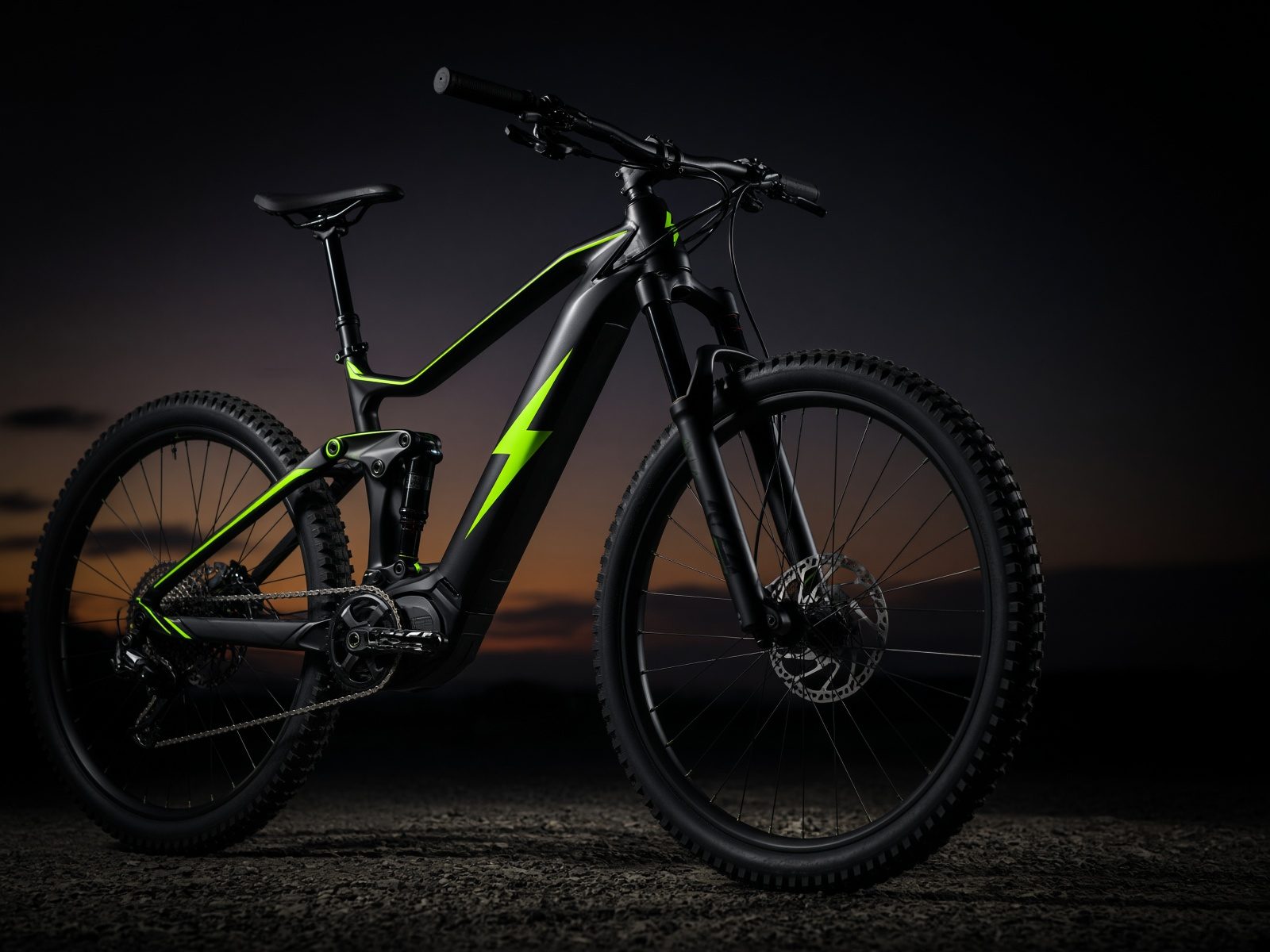
Real singletrack wants a mid-drive, dropper, 140–160 mm, 29/27.5 mixed or 29, and a motor with a torque sensor and a clutch. Turbo Levo 4: 3.1, 840 Wh, 160/150, $5,800–$13,500. Trek Fuel EXe is the SL (lighter, less motor). Aventon Current ADV/EXP and Ramblas ADV are the under-$6k / under-$2.5k answers. A 750 W fat-hub (Aventure 3, RadRover 6 Plus) is fire-road and beach, not a bike-park berm. A Sur-Ron is an e-moto: off-road, no pedals that count, not Class 1–3. Do not controller-map a trail bike onto a bike path. At your own risk; work with a shop for suspension, brakes, and packs.
Cargo & Kids
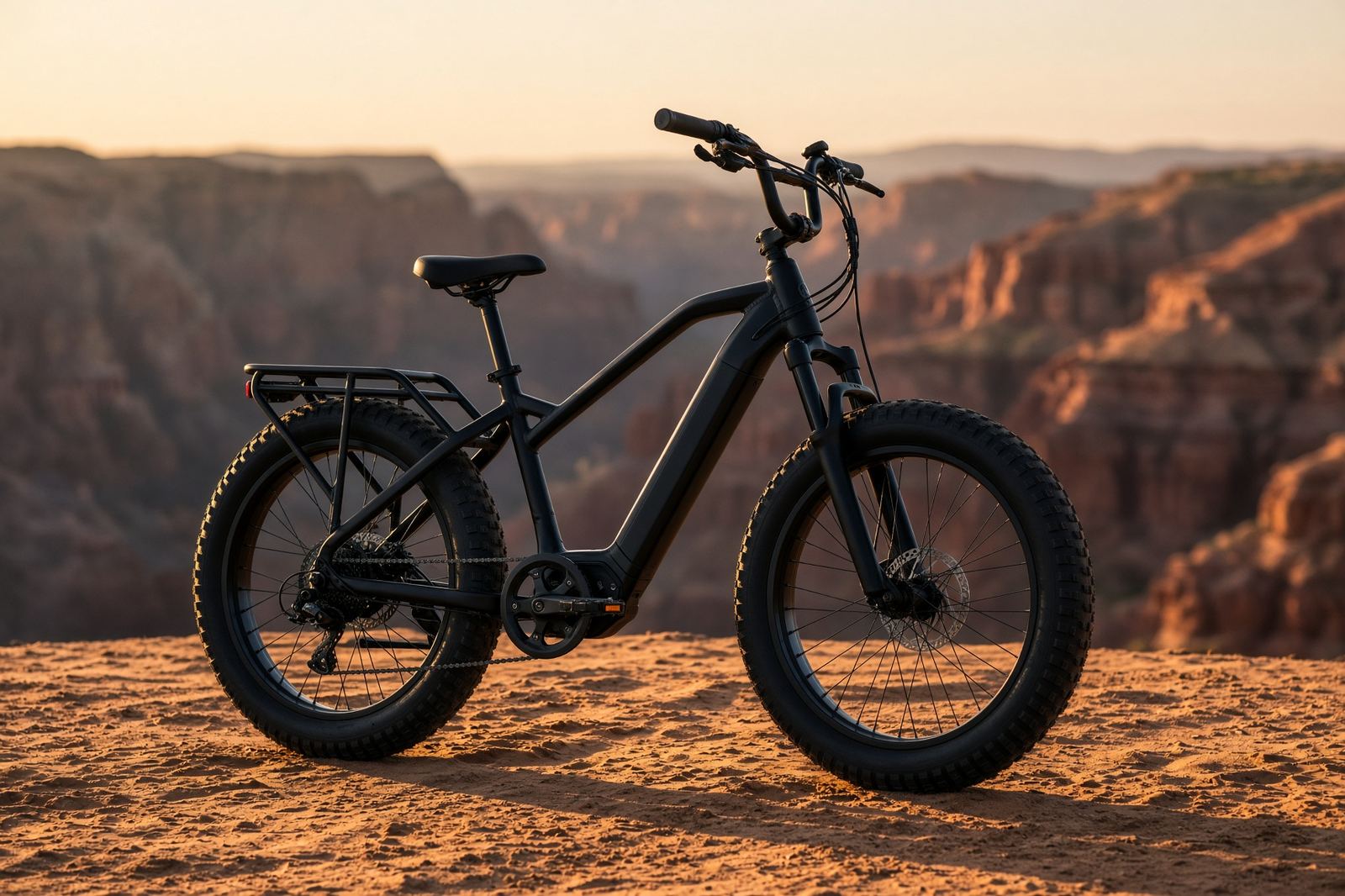
Payload is rider + stuff + seats, not the brochure rider-only number. Tern GSD 200 kg / ~441 lb GVW, parks vertically. HSD Gen 2 (July 2026) 419 lb GVW. Specialized Globe Haul ST ~419 lb, hub longtail, ~$2,800. Lectric XPedition 2 from $1,399 is EBR’s cargo value. Aventon Abound SR/LR for family racks. XP Trike 2: 330 rider / 30 front / 75 rear — groceries, not two kids. Front-loader Trek Fetch+ 4 if the box is the point. Mid-drive + low gears if the driveway is a wall. Two-stage brakes. Always the heavier adult on the demo, with the seats on.
Camping & RVing
The constraint is the bay, not the trailhead. Folding 20-inch (XP4 ~70 lb, Brompton Electric ~34–38 lb) if it lives in a basement cubby. Fat-tire (Aventure 3, RadRover) if the campground is gravel and you never carry it. Removable pack so you charge at the pedestal, not with a 70 lb bike in the shower. IPX5 is rain, not a pressure washer. Class 2 at 20 covers most park roads; 28 mph Class 3 is a highway-adjacent connector, not a loop inside the campground. Lights and a lock that survives a picnic table. Do not strap a 96 lb trike to a 2-inch hitch without checking tongue weight.
Road & Gravel
Drop bars, 35–50 mm rubber, a motor that disappears. Ride1Up CF Racer 1 is EBR’s 2026 e-gravel. Specialized Turbo Vado SL / Creo-class SL motors if you lift the bike. Trek FX+ 7S is the sport commuter with Bosch. Class 3 is legal on many roads and banned on many paths — speed limits are the sign, not the display. Narrow 1.5–2.0 in tires roll; 2.1–2.6 is mixed; plus 2.8–3.2 is trail-adjacent. Belt if you hate grit in a derailleur. You do not need 85 Nm on a 2% rail-trail. You do need a speedometer on Class 3 (typical three-class statute).
Frame Styles
Step-through (low standover, XP4, Como, most Lectric commuters) if hips or a skirt or a quick stop matter. Diamond/step-over if you want a stiffer top tube and you can swing a leg. Compact folding (Brompton hinge, XP4 hinge — different weights). Longtail cargo. Compact cargo (Tern HSD). Recumbent and tadpole/delta trike. Mixte. The frame is the thing you cannot swap. Size to standover and reach, not the sticker ‘one size 4′10″–6′2″’ until you sit on it. A folding hinge is a service item; check it like a stem.
Motor Types
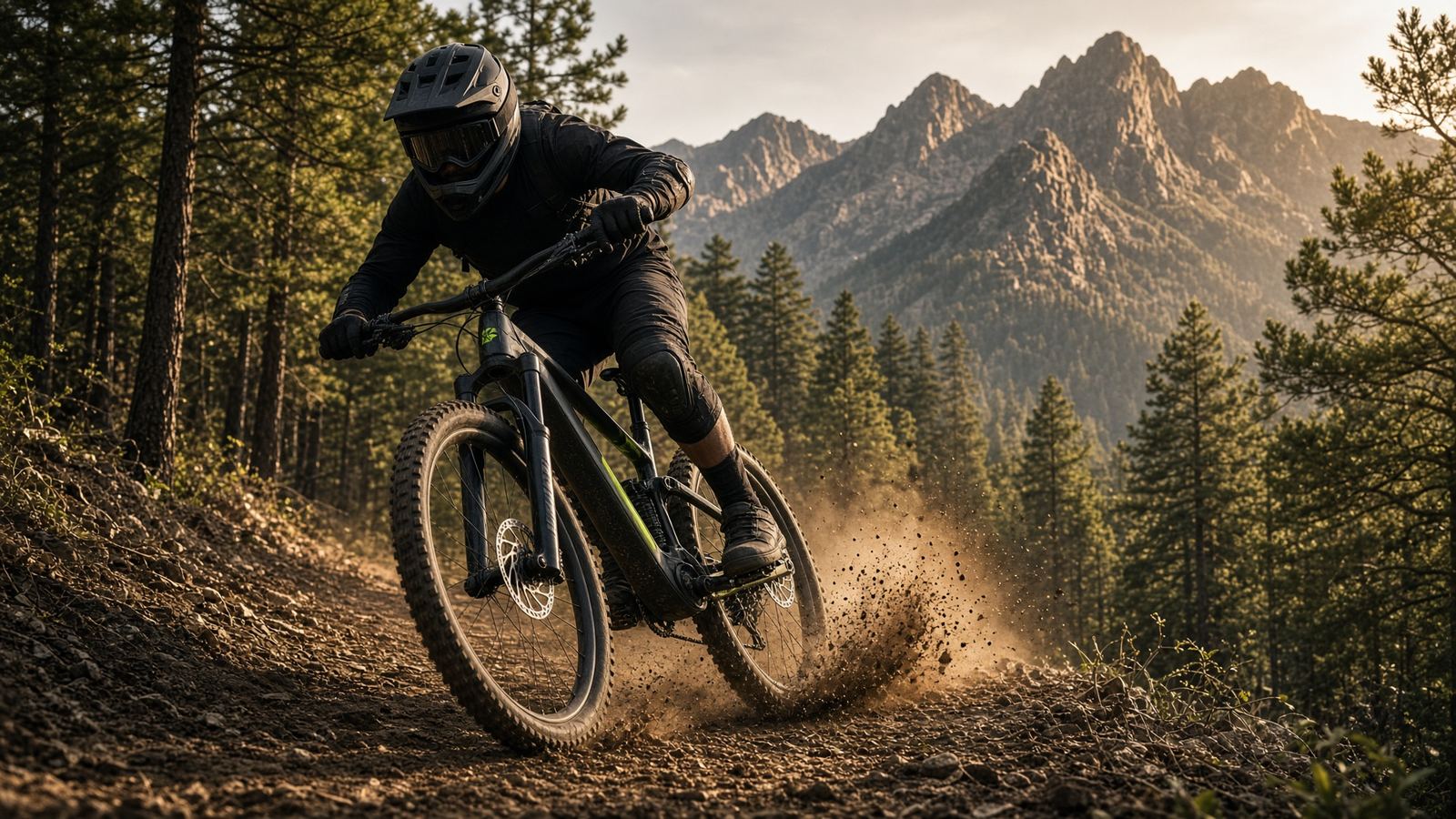
Hub vs mid-drive is the fork. Rear hub: cheap, quiet, simple, cassette still works, bad at walking a 12% grade with 250 lb on a single speed (see XP Trike 2). Front hub: rare, steering weight, cargo sometimes. Mid-drive: Bosch, Specialized 3.1, Shimano EP, Ultro — uses the gears, better climb per watt, more shop, more money. Geared hub vs direct-drive hub: geared is the 2026 commuter default; DD is the stealth/regen bike and heavy. A Sur-Ron PMSM in a swingarm is an e-moto, not this aisle.
Motor Power
U.S. consumer e-bike definition (15 U.S.C. § 2085): pedals, less than 750 W, motor-only under 20 mph. That 750 is the number a deputy can read. Peak 1,092 W (XP4 500) or 1,310 W (Trike 2 750) is a few seconds of controller. 250–350 W is EU pedelec / flat city. 500 W is the U.S. value hub. 750 W is the U.S. ceiling for a bicycle. 2,000 W on a Max G3 is a scooter. 10 kW on a Light Bee is an e-moto. Shop continuous/nominal, not the red peak on Amazon. How to buy is the five-check version of this paragraph.
Torque
Newton-metres are twist, not top speed. ~40–50 Nm: flat city SL motors. ~60–65 Nm: XP Trike 2 500, many 500 W hubs. ~80–85 Nm: Aventure 3, Trike 2 750, fat hubs that actually climb. ~85–90+ Nm: cargo mids and full-power eMTB (Levo 4). 100 Nm class: some cargo mids (Fiido T3 Max claims, Tern Bosch Cargo Line). Torque without gears on a hub is a stall on a 12% driveway; torque through a cassette is why mids win hills. Published Nm is not a dyno you can compare across brands — compare motor location, wheel size, and the hill you actually have (Chicago’s median block is 0.13%; Tampa is a bridge).
Battery Capacity
Watt-hours = volts × amp-hours. A 48 V 10.4 Ah pack is 500 Wh. A 48 V 17.5 Ah is 840 Wh. Do not compare Ah across voltages. Commuter 400–600 Wh. Long-range / cargo 700–840 Wh (XP4 750, Levo 4, Trike 2 750). Dual-pack cargo exists. Removable so you charge inside. UL 2271 on the pack, UL 2849 on the bike. Matched charger. Store 40–80% if it sits. NYC Local Law 39 already wants those certs to sell. The CPSC NPR (Federal Register 24 June 2026) is still a proposal as of September 2026.
Range
The ad is Eco, flat, 165 lb, 10–12 mph. Tested is what you ride. XP4 500 W: EBR 30.2 high PAS / 55.1 Eco; OGL 19.1 with climbing. Level 4 REC: 97 Eco on camera, not Turbo. XP Trike 2 500: EBR 30.6 / 52.3; 750 Turbo ~39 (RiderGuide). Max G3 50-mile Eco vs TGL 25 at 20 and 12–15 at Boost. Halve the brochure if you are 220 lb, in PAS 5, in the wind, in January. Volts, amps, watt-hours is the math; this is the shopping rule: buy Wh, then believe a named tester.
Wheel & Tire Size
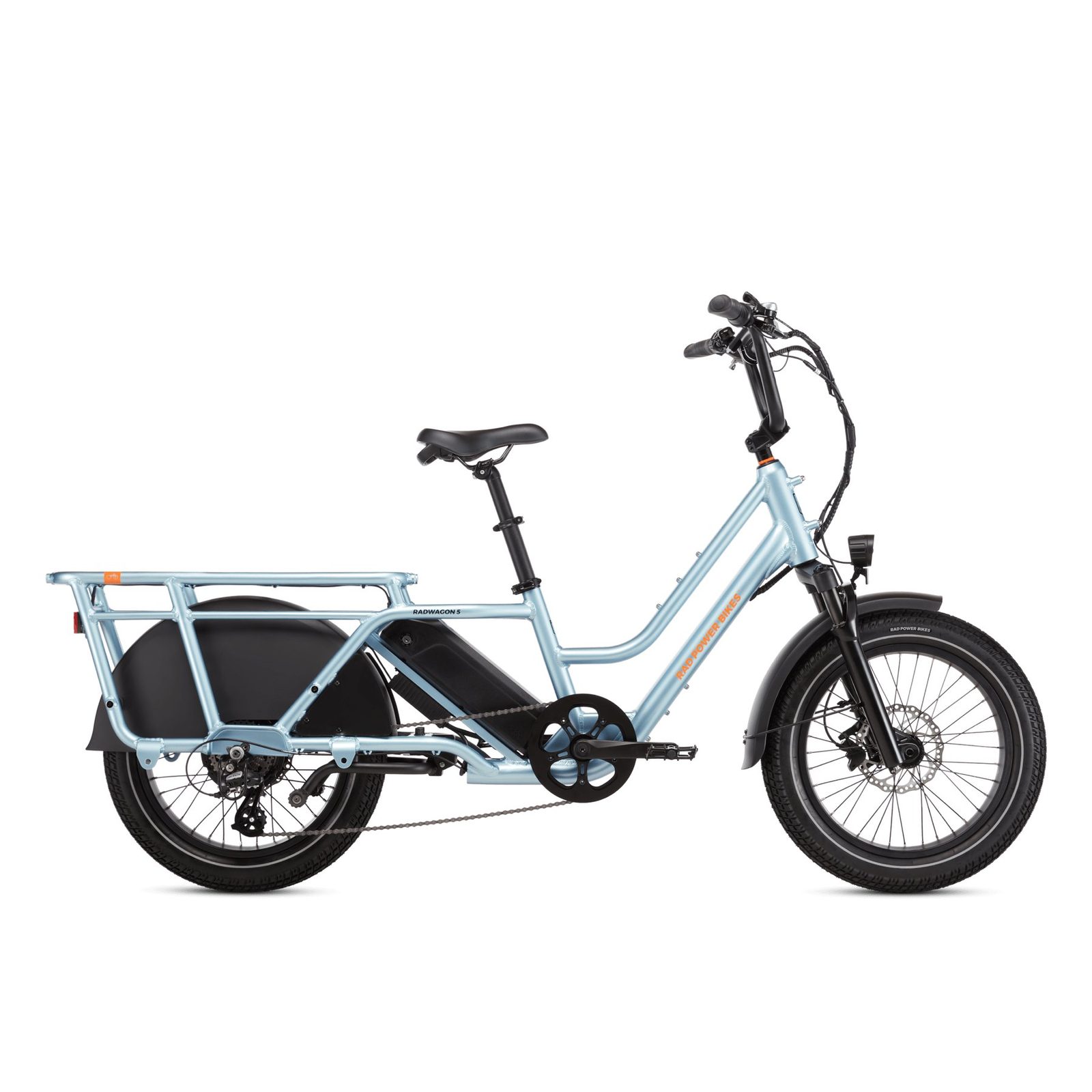
20-inch: folders and trikes, snappy, harsher, packs smaller (XP4, Trike 2 20×2.5). 26 / 27.5 / 700c / 29: the bicycle default. 26×4 fat: sand and snow, slow on pavement (RadRover 6, Aventure 3). Width: 1.5–2.0 paved, 2.1–2.6 mixed, 2.8–3.2 plus, 3.8–5 fat. E-bike load wants e-rated rubber (E25/E50 is a Euro mark; in the U.S. look for the manufacturer’s e-bike load rating). Clearance 4–5 mm. Match bead seat (ETRTO), not a guess. PSI is the free suspension — maintenance checklist.
Suspension
Rigid: light, efficient, potholes are your problem (belt city bikes, Brompton). 50 mm Cloud 50 (Trike 2, many Lectric): curb-cut comfort, lockout if it has one. 80 mm: gravel-ish. 120–160 mm: trail, and now you need a shop for air pressure and tokens. Full suspension is Levo money. A suspension seatpost is 80% of the comfort for 10% of the weight on a commute. Do not buy travel instead of tire volume on a path bike.
Brakes
Mechanical disc: cables, cheaper, fine under 40 lb of bike if you adjust them. Hydraulic disc: the default once the bike + rider is 250 lb or the speed is 20 (Star Union 180 mm on Lectric, 4-piston on Levo, Magura on Sur-Ron). Rotor size 160 → 180 → 203 as weight and speed go up. Parking brake on a trike is not optional. Regen on a hub (Level 4) saves pads, not a panic stop. Bleed interval is a shop job unless you already own the funnel. At your own risk if you DIY a bleed; work with a mechanic.
Gearing
Single-speed hub: XP Trike 2, some folders — tuned ~10 mph on the trike; above that you are mashing (BikeRide). 7–9 speed cassette: the U.S. DTC default, works with a rear hub. Internal gear + belt (Enviolo, Gates): rain-proof, dealer. Auto-shift on Level 4 ADV / some Bosch: worth it if you will actually use it. Mid-drives need the cassette; that is the point. Do not ‘upgrade’ a single-speed trike with a derailleur in a parking lot. At your own risk; a shop does hangers and limits.
Weight
What you lift, not what you ride. Brompton Electric ~34–38 lb: train. SL mid-drives ~40–50 lb: a rack. XP4 ~69–72 lb: trunk, not a fourth-floor walk-up every day. XP Trike 2 91–96 lb tested: you roll it. Max G3 53–54 lb: the same stair tax. Levo 4 is a truck. Claimed weights skip the rack, fenders, and the 8 lb pack. Ask for tested with battery. If the commute includes a staircase, the spec sheet is the enemy.
Rider Weight Limits
Sticker payload is rider + cargo unless it says otherwise. Typical commuter 250–300 lb. XP4 330 lb. XP Trike 2 415 total / 330 rider. Globe Haul ST ~419. Tern GSD 200 kg GVW. Wheels, spokes, and brakes are the limit, not the motor. A 330 lb rider on a 250 lb sticker is a broken axle, not a warranty. Demo at your weight with the groceries in the basket. Fat bikes and cargo hide the number in a footnote — read it.
Fit & Sizing
Standover first (can you stop and stand). Reach second (wrists, neck). Saddle height so the knee is not locked. Lectric’s 4′10″–6′2″ one-size is a range, not a fit. Step-through hides a too-long reach until the third ride. Test the twist throttle with gloves. Backrests on trikes are often height-only (BikeRide wanted fore-aft on the Trike 2). If you cannot sit on it, do not mail-order the XL because the site said so. Dealers exist for this paragraph.
Online vs Dealer
Mail (Lectric, Rad, many Amazon): price, 1-year typical warranty, you box it back. Aventon: DTC plus 1,800+ U.S. partners. Trek, Specialized, Gazelle, Tern, Bosch-powered anything: dealer, longer support, you pay. Hydraulics, auto-shift, carbon, cargo with kids — dealer. A $999 XP4 you can true a wheel on is fine from a box. A $6k Levo from a box is a cry for help. Budget 10–15% of street price for two locks, a helmet (CPSC 16 CFR 1203), and a first shop tune.
What Features Are Worth Paying For?
Pay: UL 2849 + 2271, hydraulic discs, a torque sensor if you ride in traffic, a removable pack, fenders/rack that are on the bike, a belt if you hate grease, a dealer for mids and cargo, tested watt-hours. Skip: peak-watt decals, 85-mile Eco ads, app unlocks that turn a Class 2 into a 28 mph ticket, RGB underglow, ‘1000 W’ Amazon titles, controller maps on a grocery bike. Beginner mode on a trike is worth it. Find My on a Max G3 is worth it. A second battery is worth it if you already emptied the first on a named test, not because the ad said 70.
Buying Checklist
Write the answer before you click buy. Class and UL are the two that get you a ticket or a refused shipment. The rest keep you from hating the bike in week three.
| Check | Pass looks like |
|---|---|
| Ride job | Miles, surface, cargo, storage, stairs — one sentence |
| Class vs path | 1 / 2 / 20 mph or 3 / 28 on roads; NYC/Riverwalk 15 — see class laws |
| UL | 2849 system + 2271 pack. NYC LL39. Not ‘UL-listed cells’ |
| Motor | Hub path; mid hill/cargo/trail. Nominal ≤750 W if it is a U.S. bicycle |
| Sensor | Torque in traffic; cadence is cheaper |
| Watt-hours | Wh on the spec sheet, not Ah. 500 commute, 700+ hills/cargo |
| Range | A named test (EBR, BikeRide, OGL, TGL), not Eco-at-10-mph |
| Brakes | Hydraulics at 250 lb combined or 20 mph. Parking brake on a trike |
| Tires | Diameter + width for the surface. E-rated if you can get it |
| Weight you lift | Tested with pack. 35 lb carry, 70 lb trunk, 90 lb roll |
| Payload | You + kid + groceries under the sticker |
| Fit | Standover and reach on the real bike |
| Shop | Who bleeds, warranties, and hangs a derailleur |
| Lock + helmet | 10–15% of price, two locks, CPSC helmet, lights after dark |
If the job is two wheels and a fold, start at the XP4. Three wheels, XP Trike 2. Kids and a longtail, cargo. Singletrack, Levo 4 or Current. A stand-up scooter is a Max G3, different ordinance. A dirt throttle bike is a Light Bee, not a class sticker. Then run how to buy so the hangtag, the UL file, and the shop are real. Mods, unlocks, and bleeds: at your own risk, and with a professional. The right e-bike is the one that matches the sentence you wrote at the top — not the peak-watt tile you scrolled past.
Questions people ask
How do I choose the right e-bike?+
Write the ride (miles, surface, cargo, stairs). Pick Class 1–3 for that path, hub vs mid-drive for the hills, and watt-hours for the distance. Then UL 2849, hydraulics, and a shop. Peak watts are a listing.
Hub motor or mid-drive?+
Hub for pavement and price (XP4, Level 4 REC). Mid-drive for climbs, cargo, and trail (Bosch, Levo 4, Tern). Same watts climb better through gears.
How many watt-hours do I need?+
400–600 Wh for a flat commute. 700–840 Wh for hills, cargo, or a named 40-mile day. Believe EBR/BikeRide/OGL, not the Eco brochure.
What class of e-bike should I buy?+
Class 2 (throttle, 20 mph) is the U.S. default. Class 1 if the path bans throttles. Class 3 (28 mph) only on roads that allow it. NYC streets are 15 for every class.
Should I buy online or from a dealer?+
Mail is fine for a $999 XP4 you can true a wheel on. Dealer for hydraulics you cannot bleed, auto-shift, carbon, and cargo with kids. Aventon has 1,800+ U.S. partners; Trek/Specialized/Tern are dealer-first.
What features are worth paying for?+
UL 2849/2271, hydraulic discs, a torque sensor in traffic, a removable pack, fenders and a rack, a belt if you hate grease. Skip peak-watt decals and 85-mile Eco ads.
Should I do these mods or repairs myself?+
Do this at your own risk. Work with a qualified ebike or e-moto technician for wiring, batteries, brakes, and controller maps. SickEBike is an informational desk, not a shop. A wrong amp limit, a mismatched charger, or a bad bleed can start a fire or a crash.
Keep riding
 Guides
How to Buy an Ebike in 2026 Without Getting Burned
Class, UL, watts, and the shop that will bleed the brakes.
SEP 17, 2026 · 9 min
 Guides
What Is a Class 1, 2, and 3 E-Bike?
Class 1 is pedal-assist to 20. Class 2 adds a throttle to 20. Class 3 is pedal-assist to 28. A Tuttio is none of these. The sticker is not the trail.
SEP 13, 2026 · 14 min
 Guides
Hub Motor vs Mid-Drive: Which Should You Buy?
Hub ignores the gears. Mid-drive uses them. Hills, cargo, range-per-Wh, chain bills, and the $1,500 line where the answer actually changes.
SEP 8, 2026 · 16 min