
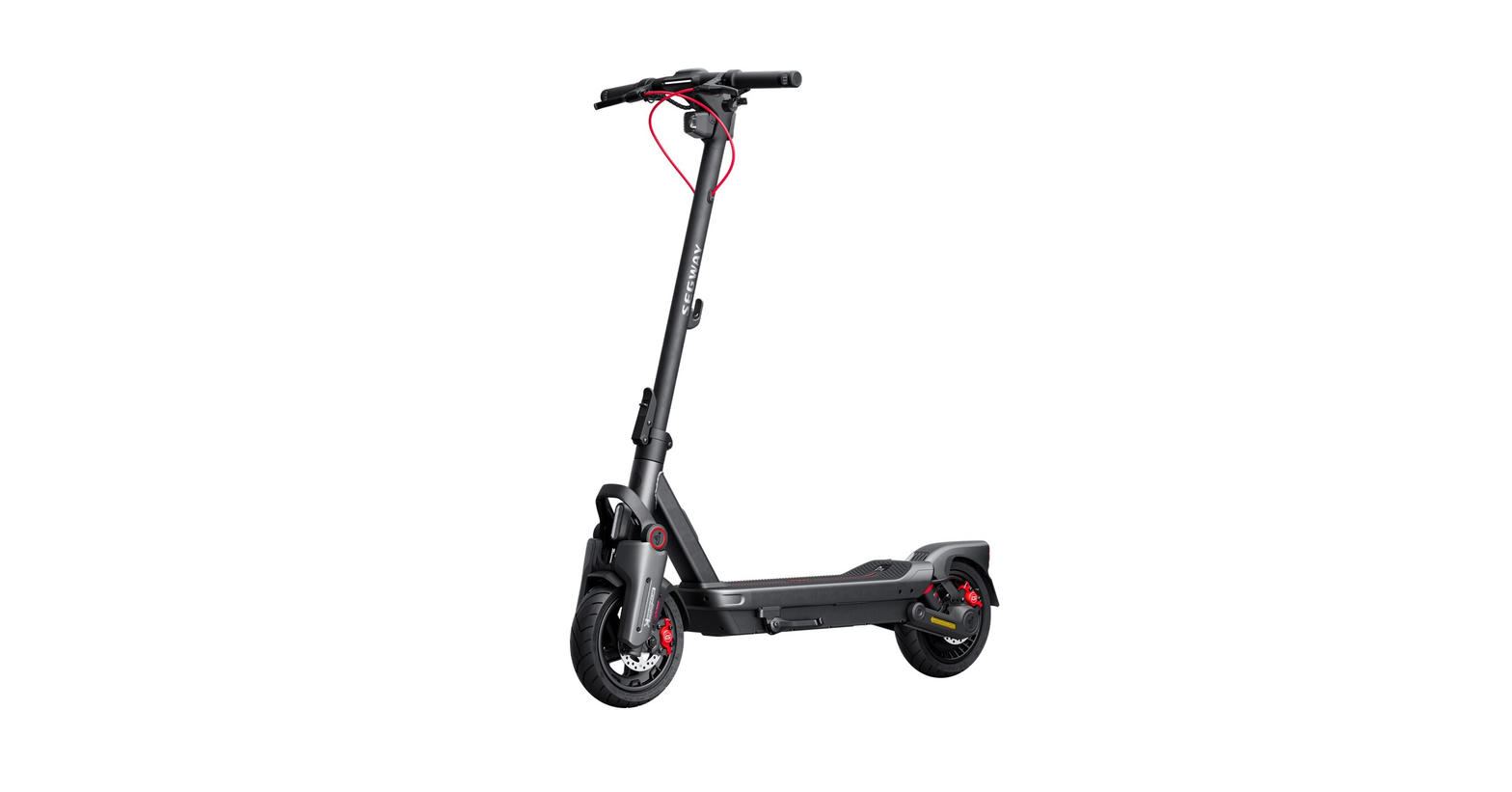
Segway Ninebot Max G3: Everything You Need to Know
The 2026 commuter scooter America actually buys. 850W / 2,000W peak, 597Wh, ships 20 mph, app to 28. Claimed 50 miles. Tested 12–25. Not a Class 3 bike.
By SickEBike desk
The short answer
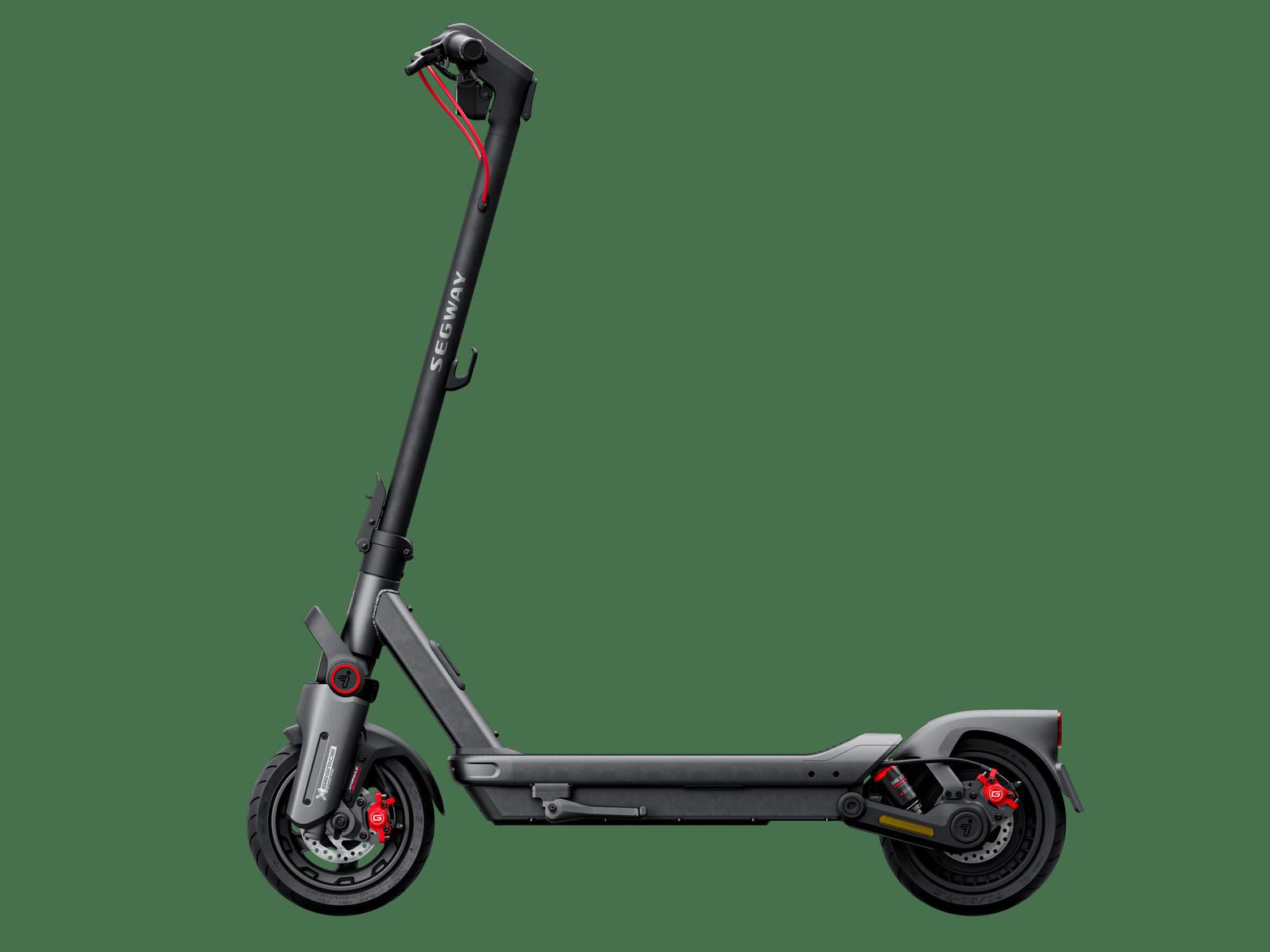
The Segway Ninebot Max G3 is an 850W (2,000W peak) rear-hub commuter scooter with a 597Wh pack, 11-inch self-sealing tires, dual hydraulic suspension, and IPX6. It ships at about 20 mph; 28 mph is an app unlock. Segway claims 50 miles in Eco; TechGearLab measured 25 miles at a 20 mph cap and 12–15 at 28. It is not a Class 1–3 e-bike. NYC and Florida operator caps are often 15 mph.
The Segway Ninebot Max G3 is the default adult commuter e-scooter in 2026 — #1 on this desk’s e-scooter list, #1 of 18 at TechGearLab (14 Sep 2026, 500+ miles), WIRED’s commuter pick next to the Apollo Go. Official US sheet (Segway, model 051601U): 850 W nominal / 2,000 W peak rear hub, 46.8 V 12.75 Ah (597 Wh), 11-inch self-sealing tubeless, dual adjustable hydraulic suspension, mechanical discs both ends, IPX6, ~53.6–54.2 lb, 286 lb payload, 0–15 mph in 2.4 s, 30% claimed climb. Factory default ~20 mph; 28 mph only after you enable High Speed in the Segway Mobility app. Claimed range is 25 miles at 28, 34 at 20, 40 at 15, 50 at ~10 (165 lb rider, flat, full throttle in each mode). It is not a Class 1/2/3 e-bike. Pedals, 750 W, motor-only under 20 — a stand-up scooter fails that test on purpose. Different ordinance, often a lower speed limit than the Class 2 next to it.
G3 from Segway US. Tested speed/range/weight from TechGearLab (Sep 2026), RK9, Tom’s Guide, ScooterRank community. G3 Plus is a different SKU (717 Wh, 2,200 W peak) — do not mix the columns.
| Max G3 (this bike) | Published tests | |
|---|---|---|
| Motor | 850 W nom / 2,000 W peak, rear hub | TGL: 20 mph on a 10% hill — best in their 18 |
| Battery | 46.8 V 12.75 Ah = 597 Wh | Wh is the tank, not the 50-mile ad |
| Claimed range | 25 / 34 / 40 / 50 mi (Sport+ / Sport / Drive / Eco) | TGL 25.0 mi at 20 mph cap; 12–15 at 28 Boost. RK9 Sport 16.3. Tom’s Guide ~11 from a Sport sample. ScooterRank community ~28 mi (45 km) |
| Speed | Ships ~20; 28 via app | TGL GPS 28.2. RK9 27. ESG Plus indicated 28, GPS ~1 mph lower |
| Weight / payload | 53.6–54.2 lb / 286 lb | TGL 53 lb. Plus: ESG 55.1 lb |
| Tires / sus / brakes | 11″ tubeless self-seal / dual hydraulic / mech. discs + regen | RK9 wanted hydraulics at this price |
| Water / charge | IPX6 / ~3.5 hr, slim cable (no brick) | TGL and WIRED both called the cable the underrated spec |
| US street | ScooterRank ~$799; TGL $1,050 list; RiderGuide $1,200 | Plus launch $1,149 vs $1,500 MSRP (ESG Aug 2026) |
What the 2 kW actually feels like
Peak 2,000 W is a burst number. Continuous 850 W is the climb. TechGearLab’s 10% grade at 20 mph is why they scored Speed and Hills a 10/10 and kept the scooter at the office for nine months. Tom’s Guide’s first ride: 22 mph on a 6% grade, ~17 on 10%. That is the G3 versus a 350 W Amazon board that walks up the same hill. RK9: acceleration in standard modes is conservative; Boost is a menu, not a personality. Speed sag past 50% SOC is the other honest note — lithium voltage sag on a 46.8 V pack. Watts = volts × amps. When the pack is tired, 2 kW peak is a brochure.
Tires are 11×2.5-ish pneumatic tubeless, self-sealing to a claimed 4 mm puncture. Dual hydraulic suspension is the ride quality TGL scored 9.5/20-weight and RK9 called best-in-class under $1,200. Brakes are still cable-pull mechanical discs plus regen — RK9’s ‘expected hydraulics’ complaint. Portability is the tax: TGL 3.6/10. Fifty-three pounds with a long deck does not go up a subway stair like a 26 lb NIU KQi Air. Folded 48×23.2×23.3 in — trunk yes, fourth-floor walk-up every day no. Same sentence we wrote about the Lectric XP4.
The 50-mile ad versus the 12-mile Boost loop
Segway’s own footnotes are the honest ones: 165±11 lb, 77°F, no wind, flat pavement, full throttle in that mode until it dies. Eco at ~10 mph is how you see 50. Sport+ at 28 is 25 on the same sheet. TechGearLab, 170 lb, 20 mph cap, rolling terrain: 25.0 measured miles. Same desk, 28 mph Boost the whole way: 12–15. RK9 Sport: 16.3. Tom’s Guide: 7 miles in Sport left 36% — they extrapolated ~11. ScooterRank’s 88–92 rider reports average ~45 km / 28 miles, 56% of the 80 km claim. Les Numériques (French test, 24 Mar 2025): ~26 km / 16 miles at a steady 25 km/h in the cold. Believe 15–25 for a real commute. Plan the last miles at 15–20, as TGL said, if the bar is dropping.
Charge is the spec reviewers loved: ~3.5 hours, and the brick is a slim cord that wraps the bar (TGL, WIRED). Optional second DC charger cuts that; AU GadgetGuy listed a 460 Wh range-extender pack for a claimed 135 km — that is an accessory, not the 597 Wh bike. Store 40–80% if it sits; matched cable only. UL for this device is 2272 (scooter system), not 2849 (ebike). NYC Local Law 39 already wants 2272 on scooters. Do not put a random 54.6 V bike charger on a 46.8 V Ninebot pack.
App unlock, G2, and the Plus you should not mix up
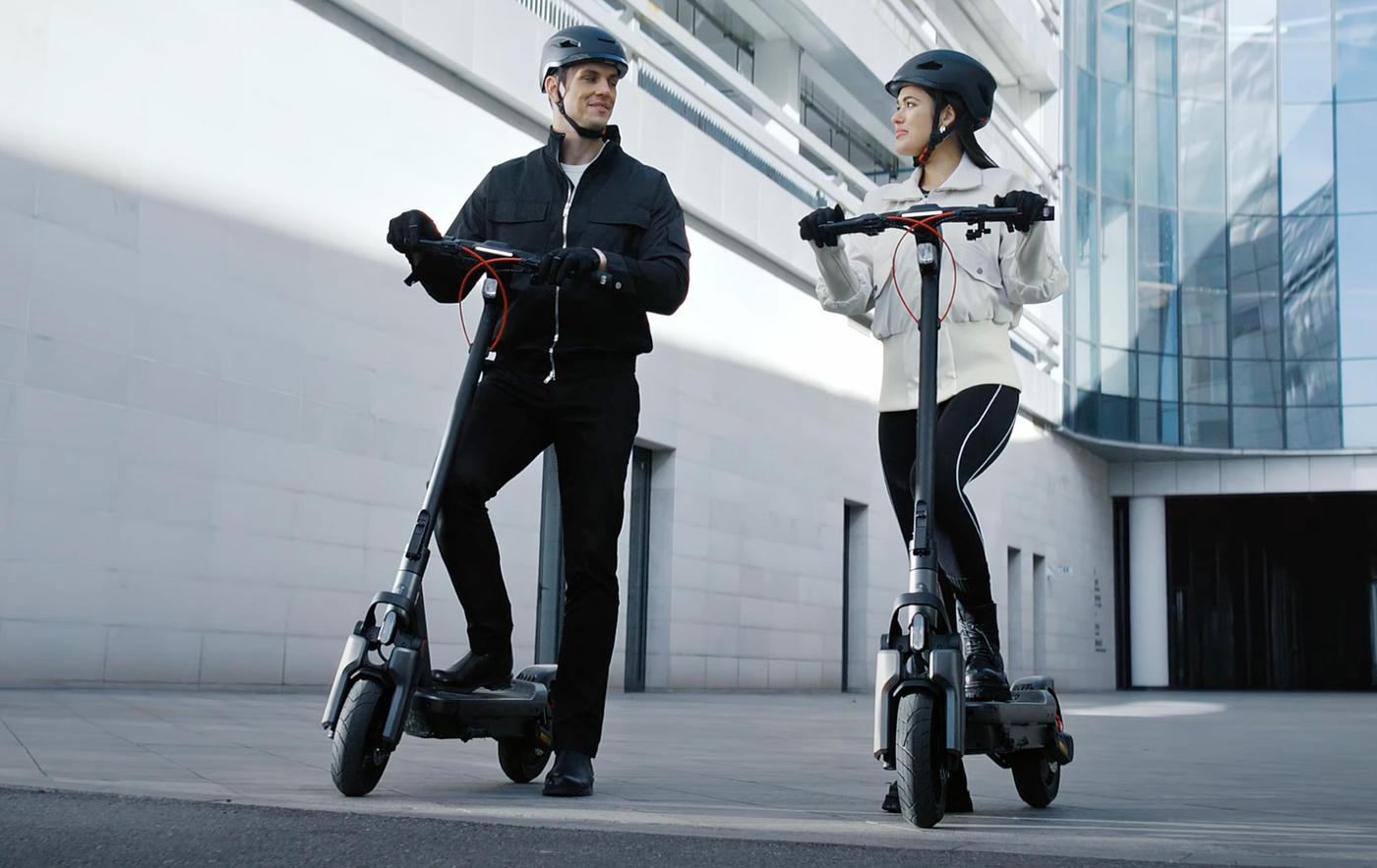
Ships at ~20 mph. 28 is an app toggle (Segway Mobility). That is how NYC dealers can talk 20 and how a Florida rider can still be at 28 on a street where the state operator cap is 15 (NCSL: Florida is in the 12-state 15 mph operator list). The toggle is not a class change. There is no class. Enabling 28 mph in a 15 mph city is the same ticket as unlocking Class 3 on a 15 mph Riverwalk. California AB 1774 is an ebike speed-dongle ban; scooters are local. Read the city, then the app.
Max G2 is the last-gen daily: TGL measured 21.4 mph, 34.4 miles (more range because it is slower), 54 lb, 450 W / 1,000 W peak, 10-inch tires. G3 is the speed and hill bike; G2 can still win a range-at-20 test. Max G3 Plus (ESG, Aug 2026) is 717 Wh, 2,200 W peak, rear turn signals, tested 28 indicated / 21.2 miles hard Sport with a 200 lb rider, 55.1 lb, launch $1,149. If the listing says Plus, you bought a bigger pack, not ‘the G3 with a sticker.’
Law: this is not an ebike
15 U.S.C. § 2085 is a bicycle definition. A Max G3 has a deck, not bicycle pedals. NCSL (2026): 17 states set a 20 mph manufacturing cap for e-scooters; 12 states set a 15 mph operator cap, including Florida and New York. Illinois is 10. Oklahoma 25. NYC DOT: e-scooters legal, 15 mph on any city street, 16+, bike lanes and streets posted 30 mph or less, no sidewalks, helmet required 16–17 and recommended for all. Wilson’s NYC compliance note: they will not ship a stand-up scooter to NYC that can exceed 20 mph or skip UL 2272. Segway’s own recommended age is 16–55, height 5.25 ft+. Pinellas Trail and Riverwalk are path-manager numbers on top of the state. A 28 mph Boost run on the Riverwalk is a motorized device on a 15 mph pedestrian path, full stop.
Find My / GPS, turn signals, 6 W headlight, cruise control, OTA, three (plus Boost) modes — that is the Segway software stack Tom’s Guide liked. Kickstand and a stem loop for a lock. Budget a real lock anyway; 54 lb is stealable. Helmet: CPSC bike helmets are the usual US stand-in; they are not a scooter-specific standard. Lights after dark still matter. IPX6 is rain, not a pressure washer, same as the XP4’s IPX5.
Ownership that is not an app: tubeless still wants air — self-seal is a puncture delay, not a free lunch. Mechanical discs need cable tension the first month. Stem clamp and folding latch are the creak points on every Max generation; if it clicks, stop, don’t Boost. Regen on long downhills is free pad life; it is not a motorcycle ABS. Keep the 597 Wh pack out of a hot car. The maintenance checklist still applies: bolts, PSI, lights, a charger that matches. A scooter just has fewer spokes. Check them anyway.
Who should buy it — and who should not
Buy the G3 if you want the polished 2026 commuter scooter: hills, 28 mph where that is legal, tubeless, Find My, a cable charger you will actually pack, and a brand that still answers. TGL’s line for riders over 180 lb or on sustained 10% grades is the right one. Buy the G3 Plus if the 597 Wh tank is the complaint and $1,149 is fine. Buy a NIU KQi Air (~26 lb) or Unagi if the commute includes stairs. Buy a Class 2 XP4 if you wanted pedals, a rack, and bicycle-lane law. Do not buy a G3 as a Light Bee. Do not flash a controller on a 597 Wh commuter scooter; the mods we like here are a helmet, a lock, tire pressure, and leaving Boost off on a 15 mph street.
WIRED rode Drive (16 mph) from Bed-Stuy to Midtown and back with ~25% left — about 18 miles of legal NYC. That is the G3 used as a bicycle-lane device, not as a 28 mph toy. Apollo Go sits next to it on that WIRED page at similar money; G3 wins power and range, Go wins some weight. Apollo City Pro is the $1,599 hydraulic-brake premium if the G3’s cable discs are the deal-breaker. Segway GT2 is the 43 mph / 114 lb mistake if you thought ‘Max’ meant ‘motorcycle.’ This desk’s top 50 scooters still puts G3 at #1 because the commuter job is the job: one battery, one lock, one hill, five days a week.
Street price in September 2026 is a spread: ScooterRank ~$799, TGL $1,050 list, RiderGuide $1,200 MSRP checked 21 Sep. Warranty on ScooterRank’s sheet is 24 months — better than a one-year Lectric. If you only remember one line: 850 W / 2 kW peak, 597 Wh, ~54 lb, ships 20, app 28, tested 12–25 miles, IPX6, UL 2272, not a bicycle, 15 mph in NYC and Florida even when the bar says 28. That is the Max G3. The 50-mile Eco loop is a 10 mph Sunday. Firmware, Boost, and any ‘unlock’ file: at your own risk, and only where the sign allows the number. Work with a shop if the stem or pack is the problem — 54 lb of lithium is not a parking-lot rebuild.
Questions people ask
What are the Segway Max G3 specs?+
850W nominal / 2,000W peak rear hub, 46.8V 12.75Ah (597Wh), ~54 lb, 286 lb payload, 11-inch tubeless, dual hydraulic suspension, mechanical discs, IPX6, 0–15 mph in 2.4s (Segway US).
How fast is the Max G3?+
Factory default about 20 mph. 28 mph after High Speed in the Segway app. TechGearLab GPS 28.2 mph. RK9 27. Your city may still cap you at 15 (NYC, Florida).
What is the real range of a Max G3?+
Not 50 miles unless you crawl in Eco. TGL: 25.0 miles at 20 mph, 12–15 at 28 Boost. RK9 Sport 16.3. ScooterRank community average ~28 miles. Plan 15–25 for a commute.
Is the Max G3 a Class 3 e-bike?+
No. It is a stand-up e-scooter. Federal bicycle law wants pedals, under 750W, motor-only under 20. Different city ordinances, often a lower speed cap than Class 2 bikes.
Max G3 vs G3 Plus?+
Plus is a different SKU: 717Wh, 2,200W peak, extra rear signals. Electric Scooter Guide tested 21.2 miles hard Sport, 55.1 lb, $1,149 launch. Do not mix the packs.
How much does the Max G3 weigh?+
About 53.6–54.2 lb (TGL 53). Fine in a trunk. Punishing on subway stairs. A NIU KQi Air is the 26 lb alternative.
Keep riding
 Reviews
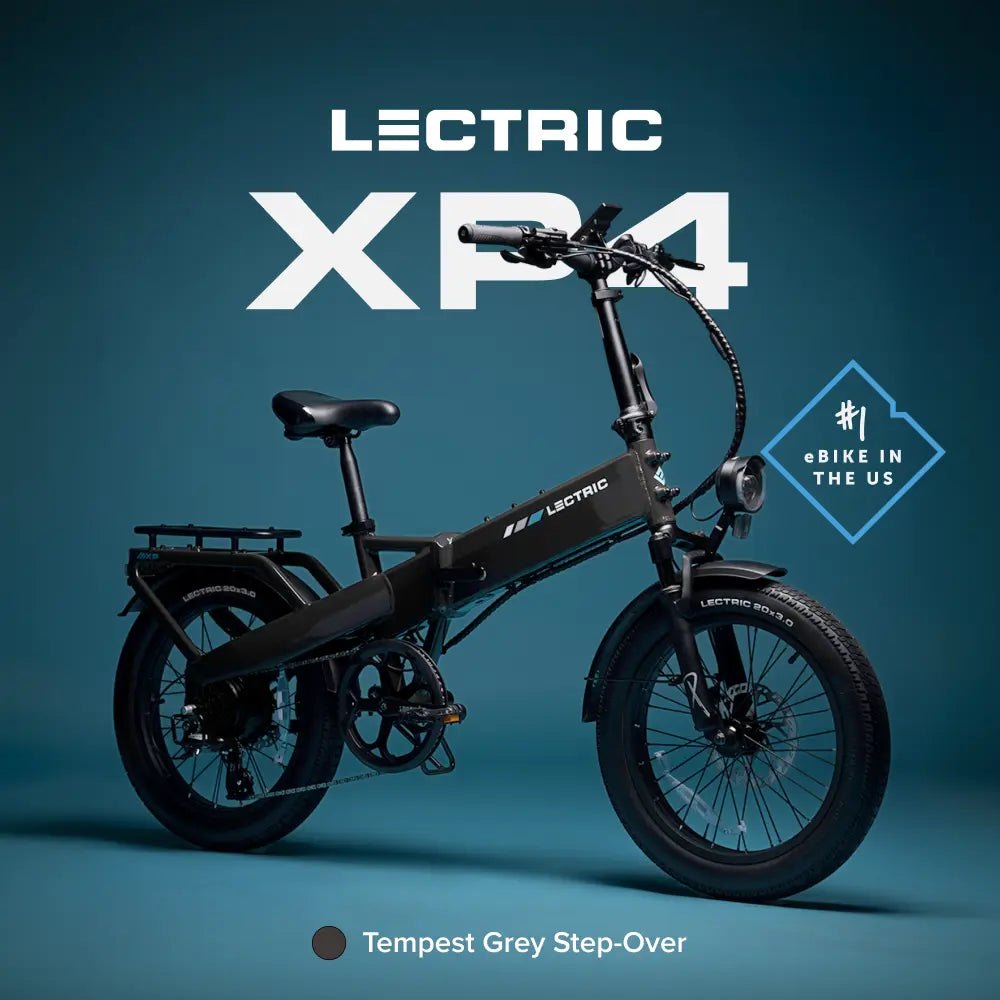
Lectric XP4: Everything You Need to Know
The $999 folder America actually buys. 500W or 750W hub, torque sensor, Class 1–3 in the menu, UL 2849. Claimed 50/85 miles. Tested range is half of that if you wring it.
SEP 17, 2026 · 14 min
 Guides
What Is a Class 1, 2, and 3 E-Bike?
Class 1 is pedal-assist to 20. Class 2 adds a throttle to 20. Class 3 is pedal-assist to 28. A Tuttio is none of these. The sticker is not the trail.
SEP 13, 2026 · 14 min
 Guides
E-Bike Speed Limits
The motor cuts at 20 or 28. The path sign is often 15. NYC is 15 on the street. Pedaling faster is still a bicycle. Unlocking the app is not.
SEP 13, 2026 · 13 min